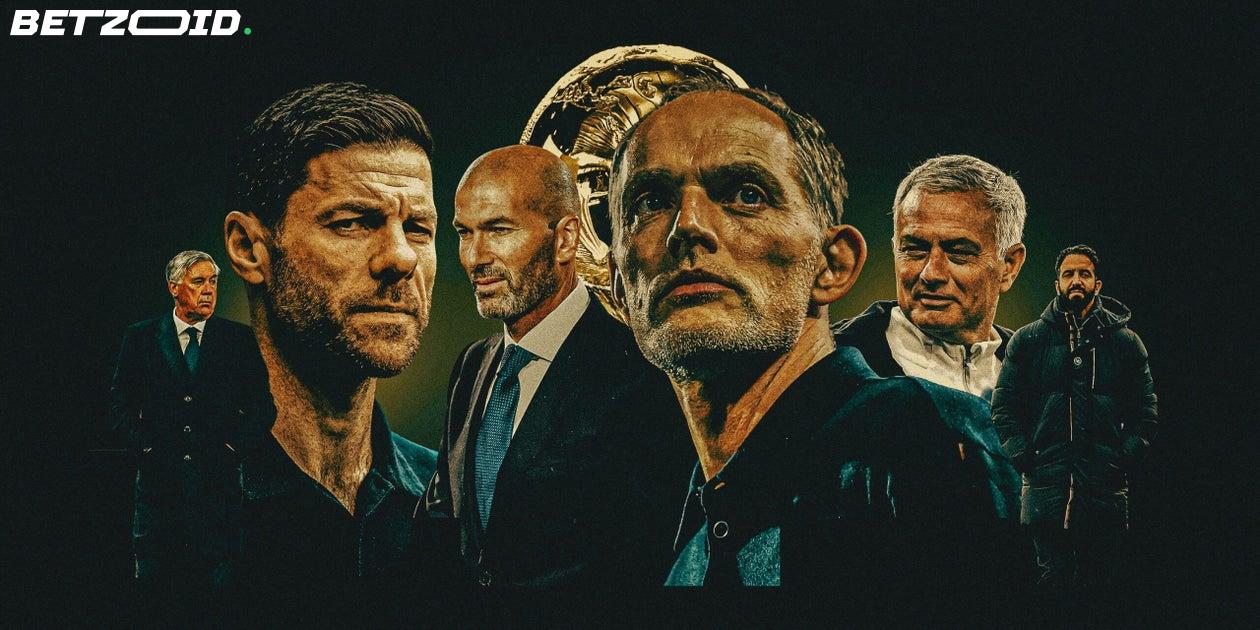
Thomas Tuchel just made a surprising choice. He's staying with England until 2028, turning his back on potential jobs at Manchester United and Real Madrid. After just one year with the Three Lions, he's happy enough to stick around through the World Cup and beyond.
This isn't just about Tuchel. There's a growing trend of elite coaches picking international football earlier in their careers and staying longer. Think about it: more time to think, watch matches, and learn without the daily grind of club management.
The benefits are real. You can visit clubs, get inside access, and pick your squad without owners or sporting directors breathing down your neck about budget constraints. Sure, you're limited to players from one country, but at least the choice is yours. In club football, managers are increasingly restricted to just training sessions and match days.
Even Pep Guardiola and Arne Slot have sounded a bit tired lately. They've mentioned how quickly winning leagues gets forgotten. But winning a World Cup? That lasts forever. This summer's tournament will be the biggest and most-watched ever, and that's caught the attention of top coaches.
The Coaching Carousel Is Slowing Down
Julian Nagelsmann stayed on as Germany coach after Euro 2024. Carlo Ancelotti is set to continue with Brazil through 2030. These are coaches who could walk into almost any club job, yet they're choosing their countries instead.
Ancelotti is 66 and still perfect for Real Madrid at a time when Madrid desperately need someone. But he's picked Brazil. Meanwhile, Zinedine Zidane waited six years for the France job, which finally opens up after this World Cup when Didier Deschamps steps down.
Jurgen Klopp didn't take the Germany job after leaving Liverpool. Instead, he's working with Red Bull. When Real Madrid fired Xabi Alonso last month, Klopp said it "triggered nothing" in him. These big names are exiting the club stage, and it's creating a vacuum.
For bettors, this matters. When clubs like Manchester United or Real Madrid need new managers, the usual suspects aren't available anymore. That creates uncertainty, which affects team performance predictions and betting odds for the upcoming season.
Jose Mourinho has a break clause at Benfica that kicks in 10 days after their season ends. Could he return to Real Madrid? Or might Portugal come calling after the World Cup? Alonso's name keeps popping up for Liverpool, but he might prefer the Spain job if Luis de la Fuente struggles at the World Cup.
Who's Left to Take the Big Jobs?
Here's the problem: clubs looking for coaches this summer have fewer proven options. The truly transcendent figures like Guardiola, Klopp, Ancelotti, and Mourinho don't have obvious successors waiting in the wings.
Mikel Arteta has done great work at Arsenal for six years, but he still hasn't won the Premier League. Enzo Maresca got sacked by Chelsea just months after winning silverware. Xavi hasn't worked in almost two years despite winning Barcelona's first post-Messi league title.
Coaches who seem like the future quickly become the past. Arne Slot at Liverpool looked brilliant, but recent struggles have people questioning him. Mauricio Pochettino reached a Champions League final with Tottenham but hasn't lived up to expectations since.
Ruben Amorim won Sporting's first league title in 19 years, but his Manchester United struggles will define him in many people's minds. Does that make him a bad coach? No. But the noise from big clubs drowns out previous achievements.
The step up within the same league isn't automatic either. Bournemouth's Andoni Iraola is doing brilliantly, but would he succeed at a bigger club with different demands? The scrutiny multiplies. Press conferences go from small rooms to international media auditoriums.
Brighton have had success with multiple managers, but was it Chris Hughton, Graham Potter, Roberto De Zerbi, or Fabian Hurzeler who deserves credit? Or is it the analytics and recruitment structure that's the real star? This makes evaluating coaches incredibly difficult.
Clubs are also getting pickier. They want a specific style when football is constantly evolving. They want coaches who stay in their lane and don't challenge the front office. This makes the already small coaching pool even smaller.
Antonio Conte has won titles in multiple countries with four different clubs, but he's considered too much hassle. Meanwhile, coaches who've been written off—like Unai Emery, David Moyes, and Gian Piero Gasperini—keep winning European trophies.
Young coaches like Alonso and Thiago Motta struggled in their first big jobs. Vincent Kompany won the Bundesliga with Bayern, but they've won 12 of the last 13 German titles anyway. Does that make him ready for Real Madrid or Manchester United?
These are the dilemmas facing big clubs this summer. There's a perceived scarcity of top coaches, whether real or artificial. Experience versus potential. The right coach at the wrong time because of structural problems within clubs.
For now, England's Football Association doesn't have these worries. Tuchel made his choice clear: "There is a possibility that I will be tempted to go back to club football. But not in the next two and a half years."