

Most online blackjack casinos in the UK look identical from the lobby: a grid of green tables, a big welcome banner, a live studio thumbnail. The differences that actually cost or save you money sit one click deeper — whether the table pays 3:2 or 6:5 on a natural, whether blackjack counts 100% or 10% towards wagering, and how long a withdrawal sits in a pending queue before it reaches your bank.
This comparison is built around those details rather than banner sizes. The Betzoid editorial team reads published game rules, bonus terms and payment pages, then lines them up so you can see where a £50 bankroll stretches furthest and where a £200 offer quietly demands £80,000 in turnover. You'll find stake tiers mapped to realistic bankrolls, contribution maths worked through in full, and the payment methods that genuinely shorten payout times for UK players. The ranked operators appear first; the criteria behind them follow underneath.
Top Online Blackjack Casinos for UK Players (October 2026)









Online Blackjack Casinos at a Glance
Five checks decide whether a blackjack site suits you, and the welcome offer is only one of them. We read the paytable and the promotional terms side by side, because a generous headline bonus rarely survives contact with a 10% game contribution rate.
- A visible UK Gambling Commission licence number in the footer, which you can cross-check on the regulator's public register before depositing anything.
- Blackjack that pays 3:2 on a natural rather than 6:5 — the single rule that costs regular players more than any bonus returns.
- Table minimums you can actually use, from £0.10 software seats up to live tables at £1-£5, so a modest balance isn't pushed into £10 hands.
- A clear statement of how blackjack counts towards wagering: full contribution, a reduced 10-20% rate, or complete exclusion.
- Payment options with stated timeframes, plus deposit limits and reality checks you can set yourself in account settings.
Rank those by how often they touch your balance and the priorities flip. Rules and stake range affect every hand you play; a welcome bonus affects your first week. The sites we rate highest are rarely the ones shouting loudest about free money.
Judging Table Range and Rule Quality
A lobby with 40 blackjack titles isn't automatically better than one with 12. What matters is how many of those tables you can sit at with your bankroll, under rules you'd accept. Plenty of sites stock a dozen variants that all share the same 6:5 paytable and the same £5 minimum, which leaves a £60 balance with twelve hands of headroom and no cheaper alternative.
The practical test is whether you can read the rules before you commit. Good operators show deck count, dealer stand rules, doubling restrictions and surrender options in an info panel you can open from the lobby; weaker ones bury them behind a loading screen and a funded balance. Demo modes matter for the same reason — working out how Blackjack Switch or Spanish 21 behaves costs nothing in practice play and £5 to £10 a mistake at a real table.
Filters are the third piece. Sorting by minimum stake, variant and dealer language turns a 40-table live floor into three relevant options in seconds.
Rule Variants That Shift the House Edge
Rule differences are measurable, not cosmetic. A classic European game with a 0.39% house edge against an Atlantic City variant at 0.66% means £39 versus £66 in expected loss across £10,000 of turnover. The 6:5 payout is harsher still: it adds roughly 1.4% to the edge, and on a £10 winning natural you collect £12 instead of £15.
Beyond the payout line, look for dealers standing on soft 17, doubling allowed after a split, re-splitting aces and late surrender. Each one shaves fractions of a percent off the house's take. Fewer decks help too, though most online shoes run six to eight.
Low Minimum Bets and Stake Tiers
A workable rule of thumb is 40 bets per session bankroll, which turns your budget into a stake ceiling rather than a guess.
| Stake tier | Typical minimum per hand | Bankroll for 40 hands | Where you'll find it |
|---|---|---|---|
| Micro | £0.10-£0.50 | £4-£20 | Software tables only |
| Low | £1-£2 | £40-£80 | RNG plus entry-level live seats |
| Mid | £5-£25 | £200-£1,000 | Main live studio floor |
| High | £50-£500 | £2,000-£20,000 | VIP and private live rooms |
The gap that catches people out is between micro and low: online blackjack casinos with low minimum bets usually reserve sub-£1 stakes for software tables, so a £20 bankroll rarely buys a live seat at all.
Live Dealer Tables or RNG Blackjack?
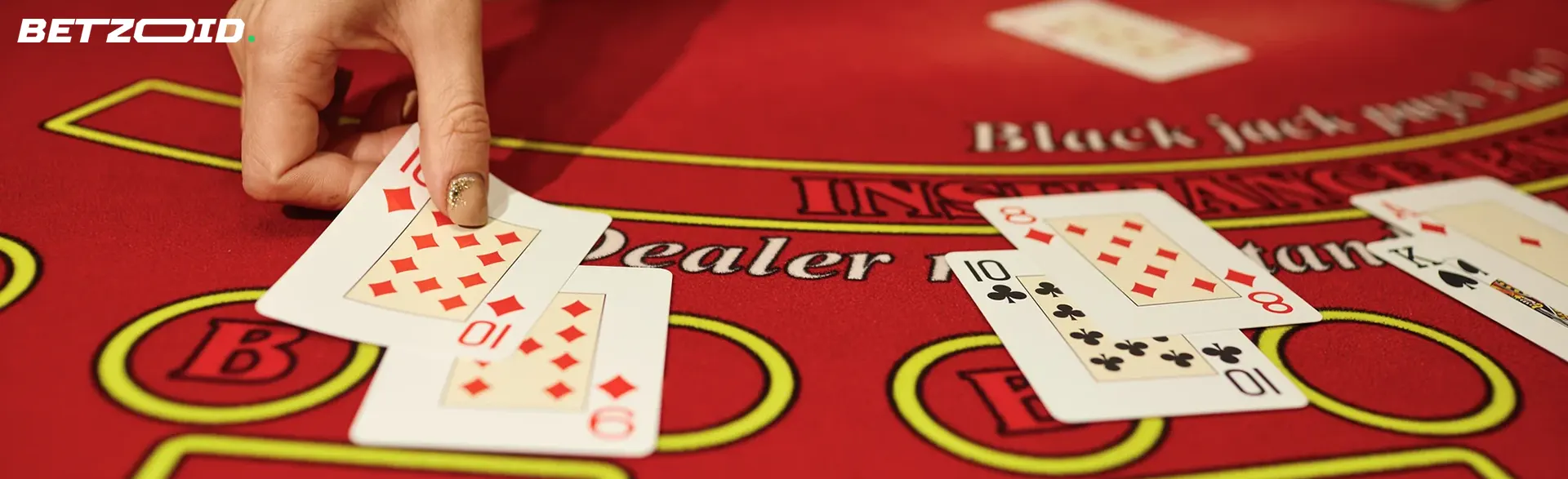
Pace is the deciding factor, not authenticity. A live table deals roughly 50-60 hands an hour once you account for betting windows and shuffles; a software table can run 300-400 in the same hour because you set the tempo. If you have twenty minutes and want concentrated play, RNG wins outright. If you want to watch every card leave the shoe and take your time over a marginal 16, live is worth the slower rhythm.
Cost follows pace. At £1 a hand, 60 live hands put £60 through the table in an hour; the same stake on a fast software game can push £350 through in the same period. That gap matters for bonus wagering and for how quickly variance hits you. Players grinding a turnover requirement almost always do it on RNG tables — assuming the terms allow it.
Live floors also carry more side bets, higher minimums and seat limits at peak times, so our guide to live dealer blackjack tables and their stake ranges is worth a look before you pick a studio-led site. Software blackjack, meanwhile, is where the unusual variants live: Switch, Spanish 21, multi-hand formats. New online blackjack casinos in the UK often lean on RNG catalogues first, since a full live studio integration is expensive, so a young brand may offer twenty software variants and only three live tables.
Blackjack Bonuses and Contribution Rates
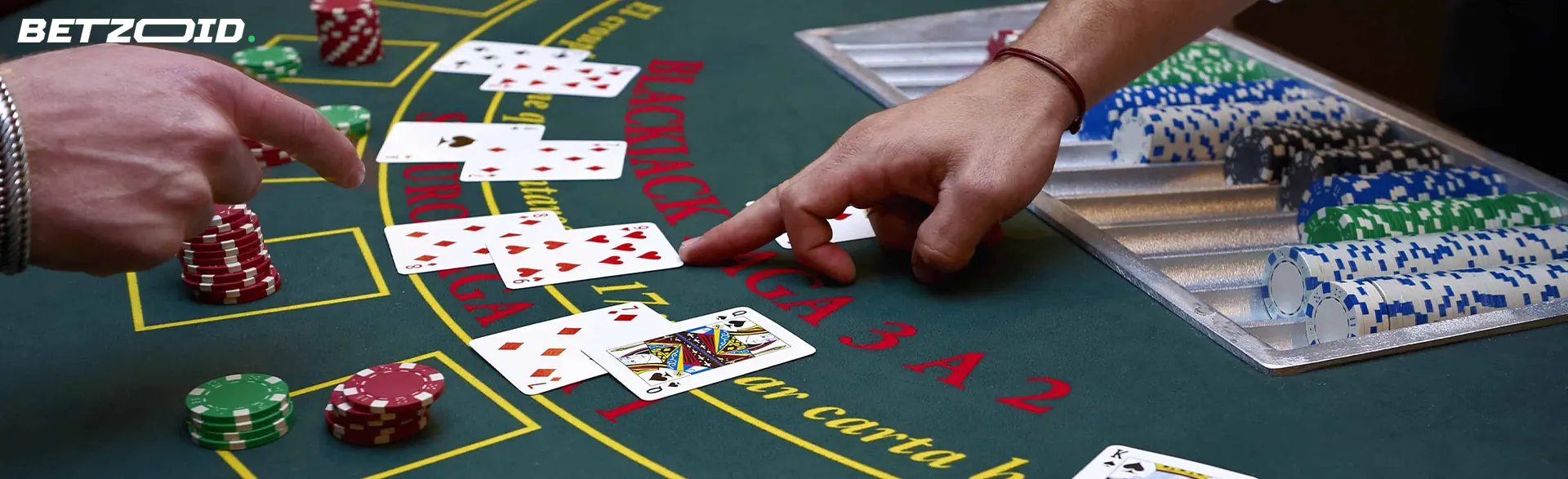
Blackjack welcome bonuses at UK online casinos are rarely as large as slots offers, and for good reason: the game's low house edge makes operators cautious. That caution shows up as reduced contribution. If blackjack counts 10% towards wagering, a £10 hand only chips £1 off the requirement, and the headline figure stops meaning anything.
| Bonus | Wagering | Turnover at 100% contribution | Turnover at 10% contribution |
|---|---|---|---|
| £50 | 20x | £1,000 | £10,000 |
| £100 | 30x | £3,000 | £30,000 |
| £150 | 35x | £5,250 | £52,500 |
| £200 | 40x | £8,000 | £80,000 |
The comparison shows why a smaller offer often beats a bigger one: £50 at 20x with full contribution needs £1,000 through the table, while £200 at 40x on a 10% rate needs £80,000 — eighty times the turnover for four times the bonus. At £5 a hand on a live table, that £80,000 is 16,000 hands, which is not a weekend's play.
Two clauses deserve a second read. Maximum bet limits during wagering are usually £5 per hand, and a single mis-clicked chip can void the balance. Some promotions exclude table games entirely, so no-deposit offers aimed specifically at blackjack players are worth comparing against general casino bonuses before you opt in. Always check whether the offer is currently live on the operator's own terms page, since promotional conditions change without notice.
PayPal, Fast Withdrawals and Deposit Limits
You finish a session £180 up on a Tuesday night — when does that money actually arrive? Operators quote e-wallets in hours, debit card payouts in one to three working days, and bank transfers longer still if a weekend intervenes. Online blackjack casinos that accept PayPal usually pair it with a £10 minimum deposit and a £10-£20 withdrawal floor, which suits mid-size cashouts well.
Two PayPal caveats recur in UK terms. Some operators exclude e-wallet deposits from welcome bonus eligibility, and most require you to withdraw back to the method you deposited with. Open Banking options such as Trustly or Pay by Bank sidestep card rails entirely and settle deposits in under a minute, though they offer no chargeback route. Credit cards are not an option anywhere — the Gambling Commission banned them for gambling in April 2020.
Speed also depends on internal review, not just the payment rail. Sites advertising fast withdrawals still hold funds while they verify documents, so completing ID checks at registration rather than at cashout is the single biggest thing you control. Set your deposit limit in account settings at the same time; UK-licensed operators must offer the tool, and it applies before your first hand rather than after a bad one.
Where Blackjack Sites Cost Players Money
Most losses beyond normal variance come from a handful of avoidable structures, and they're all disclosed somewhere in the terms.
- 6:5 naturals on low-minimum tables. Sites frequently pair a tempting £0.50 minimum with the worse payout, so the cheap seat is the expensive one over a few hundred hands.
- Side bets. Perfect Pairs and 21+3 carry house edges several times higher than the main game, and a £1 side bet on every hand can outweigh your entire main-game expectation.
- Insurance offered by default. Taking it out of habit is a long-term loss for anyone who isn't tracking the shoe.
- Reversible withdrawals. A 24-48 hour pending window with a one-click cancel button turns cashouts back into bankroll far too easily; look for sites that lock requests immediately.
- Inactivity and processing fees, typically 2.5-5% on small cashouts at weaker operators, which on a £100 withdrawal is £2.50-£5 gone before it reaches you.
Side bets and 6:5 tables are choices you make at the table; pending windows and fees are choices you make when picking the site. If bonus turnover is your main concern, comparing operators through the lens of bonuses with genuinely low wagering multipliers tends to filter out the worst terms faster than reading twenty promotional pages.
Matching a Blackjack Site to Your Bankroll
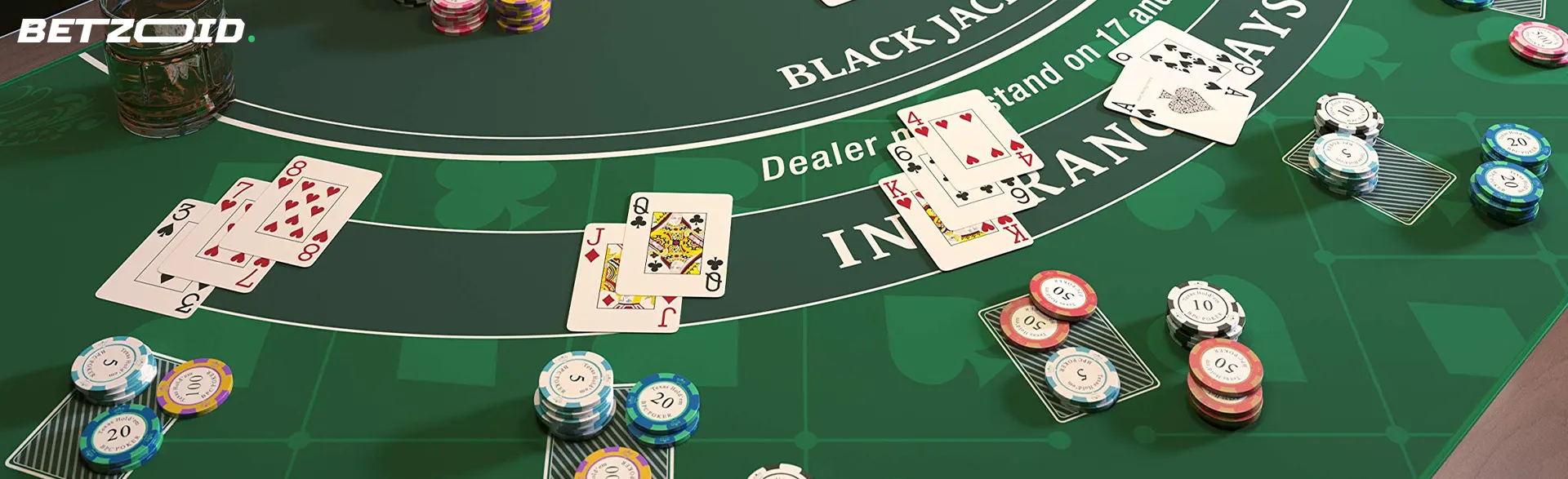
Work from your budget backwards rather than from the biggest banner forwards.
- Decide the monthly figure you're comfortable losing, then set that as a deposit limit in account settings before your first session. The limit takes effect immediately; increases usually involve a cooling-off period.
- Split it into session bankrolls of £20-£100 and divide each by 40. That gives your maximum stake per hand and tells you which tier from the table above you belong in.
- Filter the lobby for tables at or below that minimum, then open the rules panel and confirm 3:2 payouts and dealer stand rules before you sit.
- Check contribution and max-bet clauses before accepting any offer; if blackjack counts 10% or is excluded, skip the bonus and play with cash instead.
- Pick a payment method whose minimums fit your deposits — a £10 PayPal floor is irrelevant if you're depositing £50, but it matters at £15.
The step players skip most often is the third one, and it's the cheapest to fix. If a site offers a matched deposit on your first payment, run the turnover maths from the contribution table before you tick the box rather than after your balance is locked.
Choosing between online blackjack casinos comes down to three things you can verify in five minutes: a 3:2 paytable at a minimum your bankroll supports, a contribution rate that makes any bonus realistically clearable, and a payout method with a stated timeframe you can live with. Get those right and the welcome offer becomes a minor detail rather than the deciding one.
Compare the licensed operators ranked above against your own stake tier, open two or three rule panels before depositing, and set your deposit limit the day you register rather than the day you wish you had.
FAQ