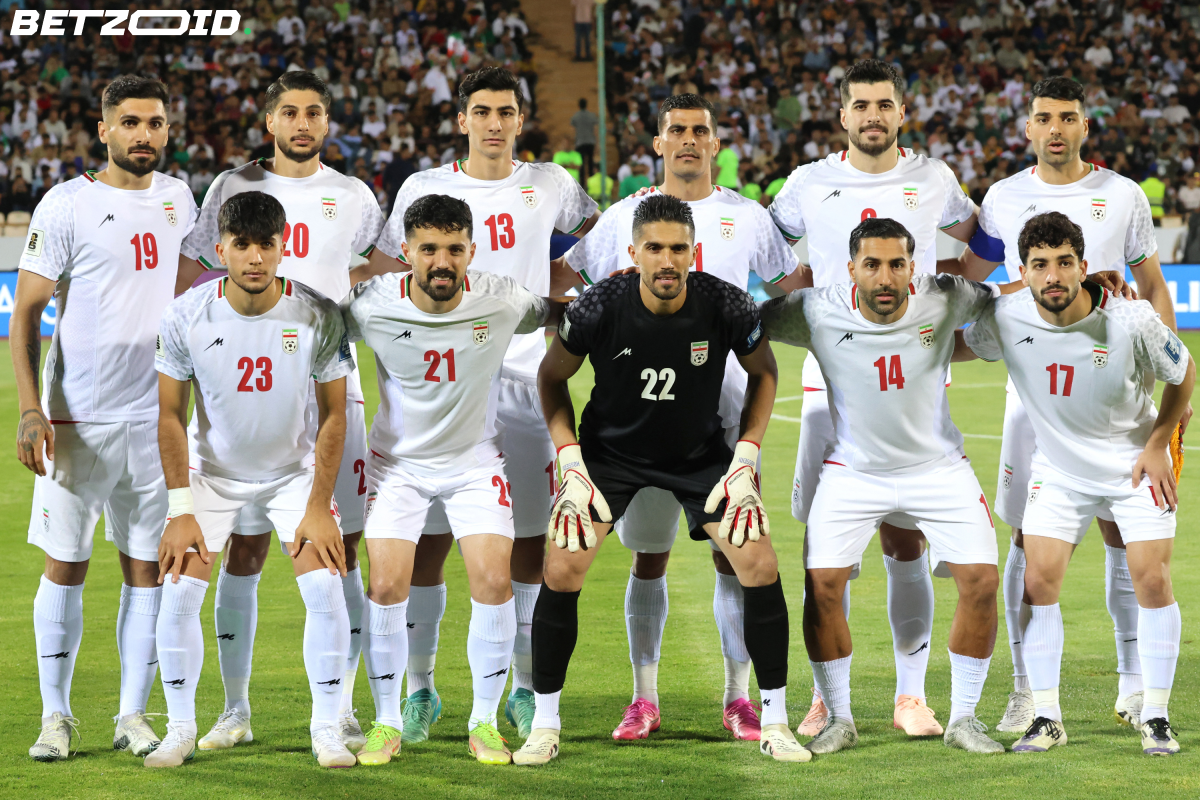
Iran's recent threat to boycott the 2026 FIFA World Cup has everyone talking. But here's the thing – they're not the first country to consider skipping football's biggest party.
Over the years, political fights and diplomatic drama have pushed several nations to withdraw from the World Cup. Some pulled out during qualifying, others threatened to skip the finals entirely. Let's walk through the most notable cases.
The Early Boycotts That Changed Everything
Back in 1938, South American powerhouses Uruguay and Argentina refused to show up in France. They were mad that Europe got to host two World Cups in a row. FIFA had promised to rotate between continents, but broke that promise after Italy hosted in 1934.
Uruguay was especially upset. They'd hosted the first-ever World Cup in 1930, and tons of European teams didn't bother making the trip. Now Europe was getting another one? No thanks.
India qualified for the 1950 World Cup but pulled out before the tournament kicked off. You've probably heard the myth about FIFA banning barefoot players. That's actually not what happened. The real story involves money troubles, scheduling conflicts, and India preferring the Olympics over the World Cup.
The 1958 qualifying rounds got messy when Egypt, Sudan, and Indonesia refused to play against Israel for political reasons. Israel ended up with nobody to play, so FIFA made them face Wales in a special playoff. Wales won and made their first World Cup.
Boycotts That Actually Changed FIFA's Rules
In 1966, every single African nation walked away from World Cup qualifying. All 15 of them. Why? FIFA had given Africa, Asia, and Oceania just one combined spot in the finals. African officials said this was unfair and insulting.
This boycott worked. FIFA completely changed how they allocated World Cup spots, giving Africa guaranteed places in future tournaments. It was a game-changer for football development across the continent.
The 1974 qualifiers featured one of the strangest matches ever. The Soviet Union refused to play in Chile's Estadio Nacional because it had been used as a prison camp after Chile's military coup. FIFA wouldn't move the match, so Chile scored into an empty net and qualified on a walkover.
Fast forward to 1994, and Yugoslavia got banned from the World Cup entirely due to UN sanctions during the Yugoslav Wars. This wasn't a voluntary boycott – FIFA kicked them out to comply with international sanctions.
The 2022 World Cup in Qatar saw diplomatic boycotts from the US and UK governments. Officials didn't attend matches over human rights concerns, but the teams still played. That's an important distinction – the players competed while politicians stayed home.
Iran's current threat puts them in rare company. Only a handful of nations have actually followed through on boycott threats. For bettors wondering about future World Cup odds, Iran's situation is worth watching. If they do pull out, it could reshape qualifying groups and change tournament predictions for 2026.
Whether Iran actually boycotts remains to be seen. History shows that most boycott threats don't materialize, but when they do, they can change football forever.