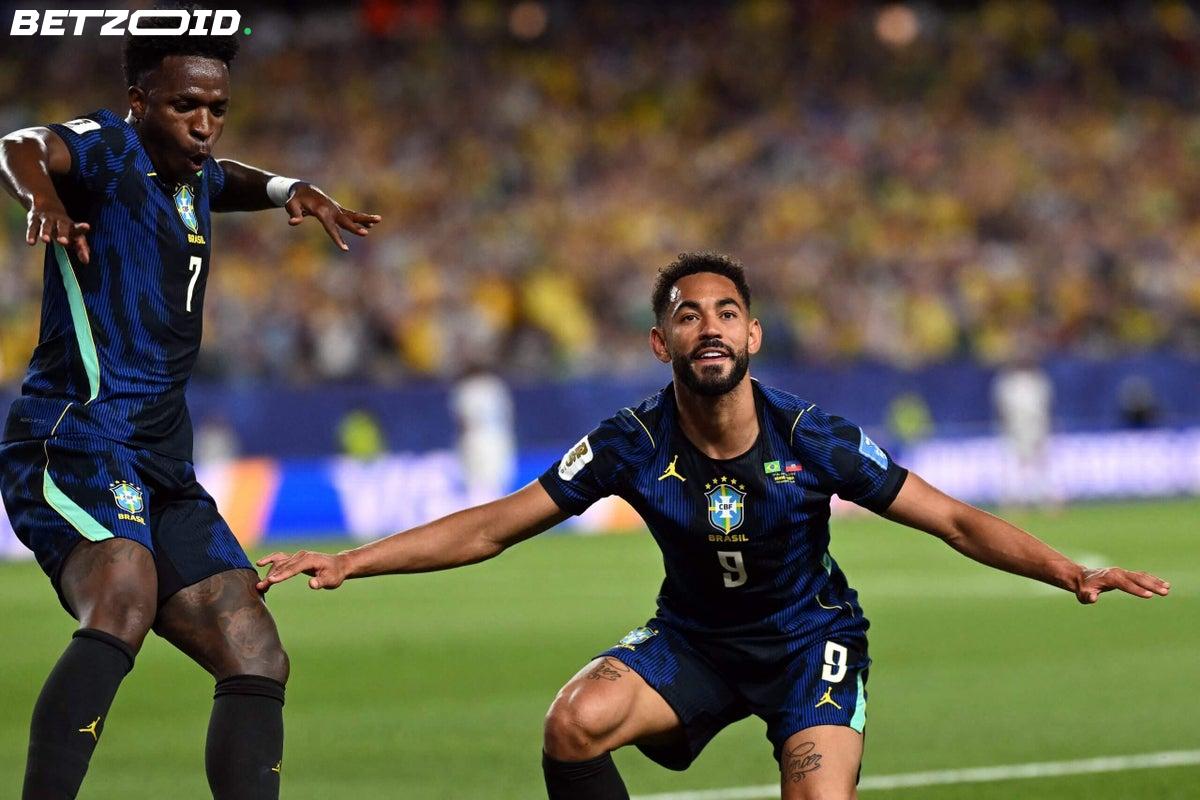
The 2026 World Cup is scoring goals at a rate not seen since 1958. Three per game, on average. And the numbers behind that number are stranger still.
109 goals scored. 90 expected. That's a 21% overperformance against xG — the largest gap ever recorded at a World Cup, across any edition with comparable data. Run a simulation of those 889 shots 100,000 times using individual xG values and the probability of reaching 102 non-own-goal efforts lands at roughly two per cent. We were just as likely to see 80 goals as what we've actually got.
So why is this happening?
The easy answer is quality. Messi, Mbappé, Kane — elite finishers beat the model. That's not a controversial take. But stripping out own goals doesn't close the gap, and pointing at world-class forwards only explains so much when the overperformance is this consistent and this widespread.
Long-range shooting isn't the culprit. Shots from outside the box account for 37% of attempts — identical to 2022, lower than 2018. Headers are at 17% of total goals, barely a tick above recent tournaments. The usual suspects check out clean.
Which brings us to the Adidas Trionda.
Joe Hart, working as an analyst for the BBC, raised the ball as a factor — specifically its behaviour in the air. "I honestly feel as though this ball is coming onto the goalkeeper quicker than they feel it is off the foot," he said. His exhibit A: Mbappé's long-range finish against Senegal, where Edouard Mendy — a Champions League winner — got close but couldn't adjust in time. Hart flagged Messi's opener against Algeria in the same breath. The ball, he argued, is disrupting the split-second hand-eye calibration that elite keepers rely on.
It's a plausible theory. Tournament balls have form here. Euro 2024 sparked similar conversations. But it's hard to prove, and the data can't isolate it.
The gap between the teams matters too
Germany scored seven past Curacao in matchday one. Curacao's goalkeeper, Eloy Room, plays for Miami FC in the second tier of American soccer. Some of this tournament's goal glut is simply the consequence of an expanded 48-team format forcing elite squads against nations who are, frankly, outgunned.
The expanded format was always going to inflate the early numbers. As the group stage gives way to knockouts, and the mismatch games disappear, that 21% overperformance will start coming back to earth. It almost has to.
But here's the thing — even with that caveat, what's happened so far is statistically extraordinary. A two per cent probability outcome. The kind of variance that makes xG models look briefly embarrassed.
For anyone tracking goal totals or over/under markets as the knockouts approach, the smart assumption is regression. The model wasn't wrong — the tournament has just been running on borrowed luck. Whether the Trionda is still causing chaos in the last 16 is the one variable worth watching closely.