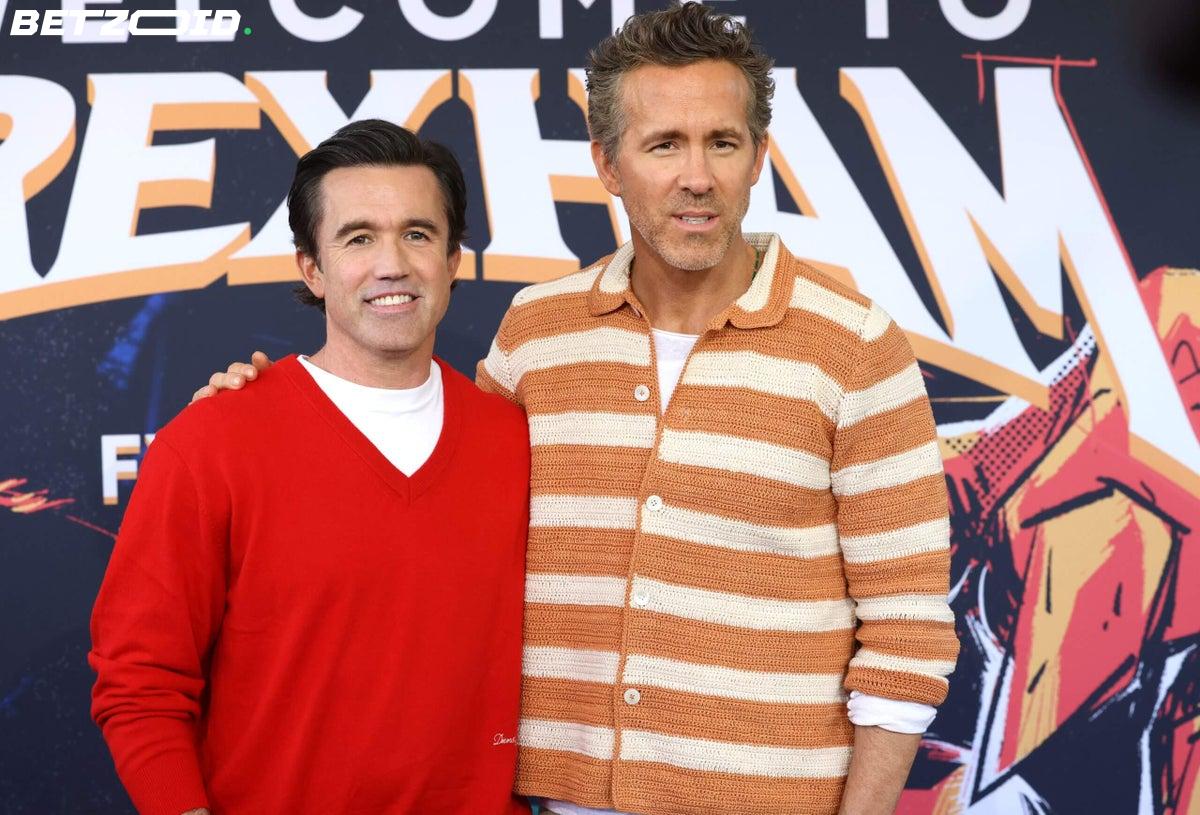
Tom Brady was gloating on Instagram. Again. Birmingham City beat Wrexham 2-1 at The Racecourse Ground on Friday, and the former quarterback — minority shareholder at St Andrew's — now has three wins and two draws from five meetings against Ryan Reynolds and Rob McElhenney's club. That's a rivalry with a scoreline attached to it.
But what makes this fixture genuinely interesting isn't the banter between celebrity owners. It's the commercial war being fought in parallel, and the World Cup just handed both clubs a loaded weapon.
129 Million Reasons to Pay Attention
Fan-data firm CLV Group estimates that the number of US soccer fans has jumped from 83 million in 2024 to around 129 million following the tournament. More striking: only 20 per cent of those fans are already committed to a club. That's roughly 100 million people who haven't picked a team yet.
That's the market. And both Wrexham and Birmingham are actively hunting in it.
Wrexham landed on the East Coast just days after Spain lifted the trophy in July, touring against Liverpool, Leeds United, and Sunderland — their third US tour in four years. It's not wanderlust. In their most recent accounts, 57.7 per cent of Wrexham's £33.35 million annual revenue came from outside the UK and Europe, overwhelmingly from North America. Reynolds and McElhenney didn't stumble into that number. They built toward it.
Birmingham's total income for the same period hit £35.6 million — a League One record for a club without Premier League parachute payments. Their breakdown isn't public, but the direction of travel is the same.
Celebrity Owners as Marketing Infrastructure
CLV Group CEO Neil Joyce makes the case that high-profile ownership is a genuine competitive advantage in the American market — not just good PR. "There is a massive opportunity," he says, pointing to merchandise, digital subscriptions, sponsorships, and fan valuations as the real metrics that matter, not Instagram likes.
Wrexham's recent tie-up with Firefox fits that thinking. Gaming and tech audiences skew young and global — exactly the demographic that hasn't settled on a club yet and might be persuaded by a good story. The Welcome to Wrexham documentary did the heavy lifting first. Now it's about monetising the audience it built.
Birmingham's angle is different but equally deliberate. Brady brings American name recognition. The Peaky Blinders association gives them a cultural hook that requires zero explanation in the States. A new stadium project adds a narrative of ambition. Joyce puts it plainly: "That type of storytelling is key for engagement."
The on-pitch picture matters too, of course. Both clubs have Premier League ambitions, and promotion would turbocharge everything — the broadcast reach, the sponsorship conversations, the merchandise volumes. Birmingham, under Chris Davies, look the more settled side right now after Friday's comfortable win. Wrexham are chasing. That gap, if it widens, could affect more than the table — it shifts the commercial momentum as well.
"First-mover advantage is a big thing," says Joyce. "But it's the continuation and the storytelling that is going to be key for engagement."
Brady, Reynolds, and McElhenney will be swapping jibes online by the weekend. But the real competition is playing out in subscriber counts, merchandise sales, and sponsor decks — and it's nowhere near decided.