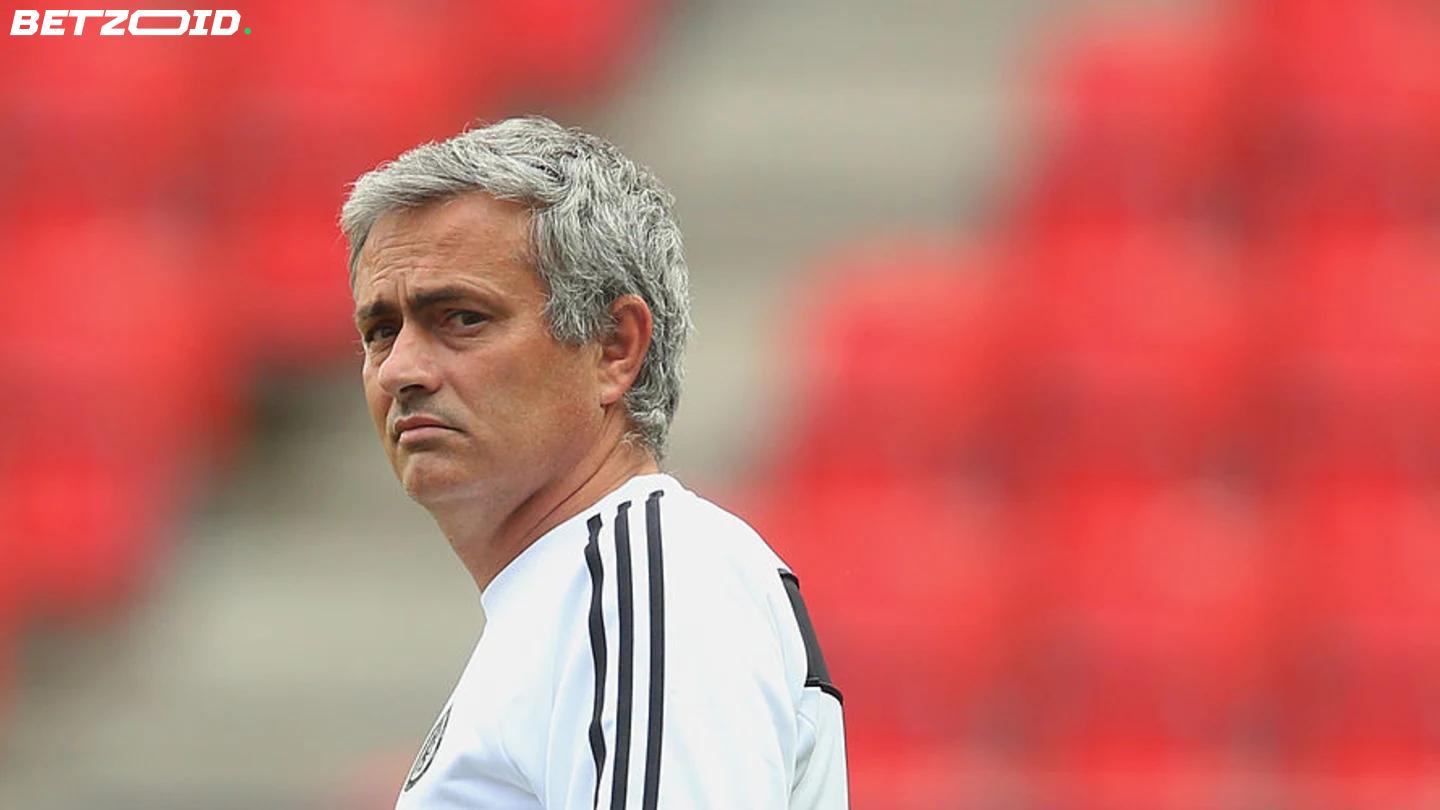
José Mourinho is closing in on a return to Real Madrid. The 63-year-old is in advanced talks with Florentino Pérez, reportedly set to reject a contract extension at Benfica and head back to the Bernabéu once the Portuguese season ends. So before the nostalgia fully takes hold, it's worth asking: what has he actually done in the 12 years since he left?
The answer is more complicated than either his critics or defenders would have you believe.
One title, three half-finished jobs, and a Conference League
Since departing Madrid in 2013, Mourinho has managed six clubs. He's won exactly one league title — Chelsea's 2014-15 Premier League — and has been sacked mid-season three times. At Chelsea, United and Roma, the pattern was identical: a decent opening campaign, one strong year, then a spectacular implosion before Christmas of the third season.
The trophies, beyond that one league crown, have mostly been consolation prizes. A League Cup and Europa League at United. A Conference League with Roma — a competition invented partly to give clubs like Roma something to win. A Community Shield, which Mourinho inexplicably held up three fingers for as if it were the Champions League.
What's striking is the win percentages. At Chelsea: 58.8%. United: 58.3%. Fenerbahçe: 59.7%. The man can win football matches. He just can't sustain it. His last three managerial stints all ended with either a sacking or a departure under pressure, and in none of them did he get close to a league title.
The chaos never stops
At Tottenham, he was dismissed days before a League Cup final — which Spurs then lost without him. At Roma, he was caught confronting referee Anthony Taylor in a car park after a Europa League final defeat to Sevilla, calling him a "f---ing disgrace." At Fenerbahçe, he grabbed a rival manager's nose during an Istanbul derby and earned himself a three-match ban. He also brought a laptop to press conferences as evidence against referees. He finished 11 points behind Galatasaray and couldn't beat either of the Istanbul rivals across the entire season.
His stint at Benfica has been the calmest in years, guiding them to an almost unbeaten domestic campaign. But they sit third — not first — and need results to go their way just to reach the Champions League. The highlight was a 4-2 win over Real Madrid in January. The low point came shortly after, when he responded to Vinícius Jr's racism allegations against Benfica's Gianluca Prestianni by saying: "Every stadium that Vinicius plays, something happens. Always." UEFA handed Prestianni a six-match ban — for homophobic conduct, not racism.
What Madrid are actually buying
Here's the honest read: Mourinho in 2025 is a manager who can stabilise a dressing room in the short term, win cup competitions, and generate enough fear and noise to keep players in line. If the reports are right that Madrid's locker room has become unmanageable, that's a specific problem he can probably solve — at least for 18 months.
But the data from the last decade suggests a hard ceiling. No league titles outside England. No Champions League runs of any note. A win percentage that looks fine in isolation but comes attached to three mid-season sackings. Madrid tried this already between 2010 and 2013, got one Liga title, and he called his final season the worst of his career on his way out.
- Chelsea (2013-2015): Win% 58.8 | Trophies: Premier League, League Cup
- Manchester United (2016-2018): Win% 58.3 | Trophies: Community Shield, League Cup, Europa League
- Tottenham (2019-2021): Win% 51.2 | Trophies: None
- AS Roma (2021-2024): Win% 49.3 | Trophies: Conference League
- Fenerbahçe (2024-2025): Win% 59.7 | Trophies: None
- Benfica (2025-present): Unbeaten domestic run, third in Primeira Liga
Anyone pricing up Madrid's La Liga or Champions League odds for next season should factor in one consistent reality: Mourinho's teams tend to peak in year two and collapse in year three. The last time he was at the Bernabéu, he confirmed that pattern himself.