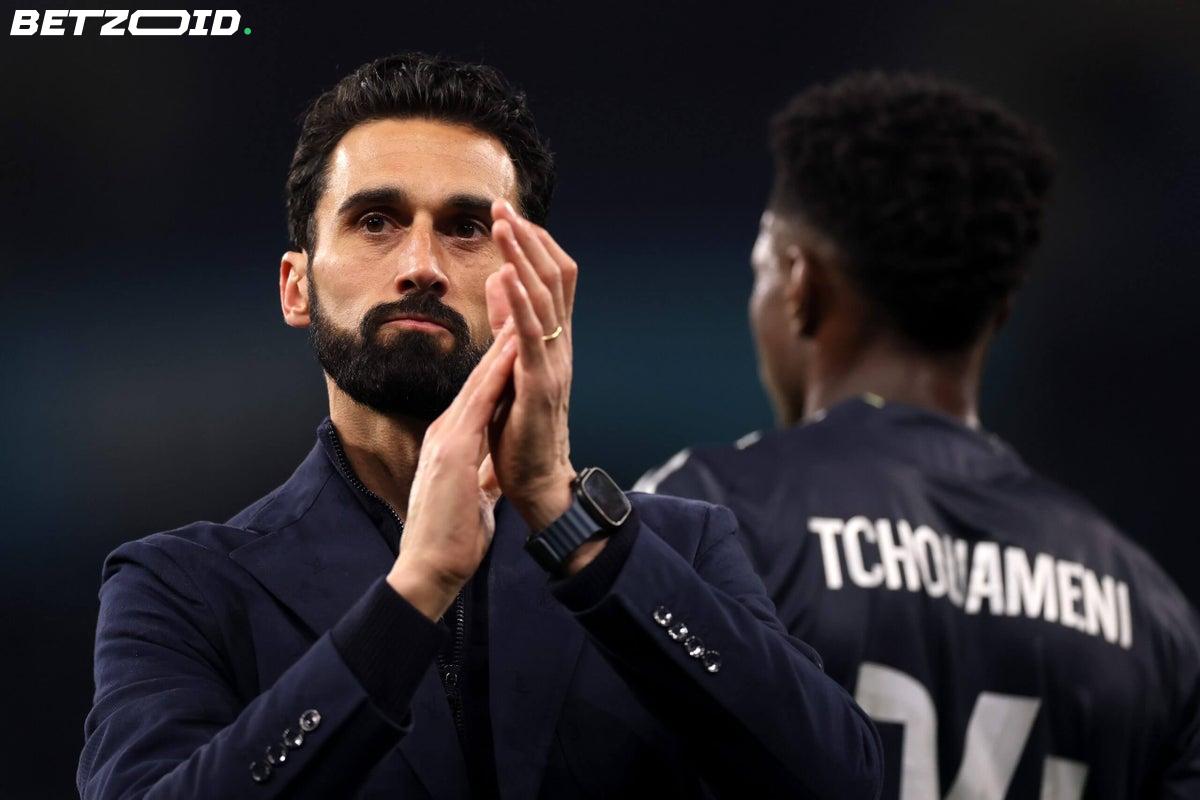
Pep Guardiola doesn't hand out compliments easily. So when he said of Alvaro Arbeloa after Tuesday's 2-1 defeat at the Etihad — the result that sent Real Madrid through — "He has made a very good impression on me. He'll have a long career," it landed with real weight.
Six weeks ago, that sentence would have seemed absurd. Madrid had just lost back-to-back La Liga games, a two-point lead over Barcelona had turned into a four-point deficit, and the Spanish press was already floating Pochettino, Klopp and Emery as summer replacements. The mood inside the club, according to sources close to Arbeloa himself, was one of genuine pessimism.
Since then, Madrid have won four matches in a row — without Bellingham, Mbappe, Militao and Rodrygo — and knocked out the team many considered pre-tournament favourites.
What actually changed after Alonso's exit
The core issue under Xabi Alonso wasn't tactics. It was atmosphere. Sources describe a squad that had grown resentful of increased video analysis sessions, a heavier training intensity and tighter discipline around the training ground. As one source put it bluntly: "Almost no one was happy with Xabi, including many starters."
Arbeloa didn't arrive with a manifesto. He opened his office door instead. Players started dropping by — the "comfortable grey armchair" he mentioned at a press conference became a symbol of the shift in tone. Brahim Diaz was one of the latest to sit in it. Days later, he was starting against Celta Vigo and hasn't left the XI since, performing well in both legs against City.
Restrictions on training ground access have been loosened. The environment is described as more fluid. That doesn't mean Arbeloa is running a holiday camp — it means the relationship between coach and squad is functional in a way it hadn't been for months.
The tactical reality behind the relaxed image
His critics, particularly in the Spanish media, have knocked Arbeloa for dodging tactical detail in press conferences. The picture inside the training ground tells a different story. Valverde's opener in the first leg came from a rehearsed move. The decision to give Valverde extra defensive cover against Jeremy Doku on the right was deliberate. Even the viral image of Arda Guler and Fran Garcia marking Haaland at corners — as mismatched in height as it looked — was planned, because Madrid's analysts had identified Ruben Dias, Marc Guehi and Rodri as the genuine set-piece threats.
Vinicius has been liberated too. He's been one of the most visibly reinvigorated players since the change, and his unpredictability is again functioning as a weapon rather than a burden on the team's shape.
Madrid also handed 18-year-old Thiago Pitarch a significant midfield role during the injury crisis. He's delivered. That kind of trust in academy players earns goodwill from the fanbase in a way results alone don't always manage.
The quarter-final draw against Bayern Munich — likely, according to sources — will tell us considerably more about whether this is a genuine transformation or a good run at the right time. Madrid's title odds in La Liga still reflect a team that gave up ground they shouldn't have. But right now, Arbeloa has turned the most sceptical room in European football into something approaching a believer.
General manager Jose Angel Sanchez's visit to the training ground after the Getafe defeat, where he told the squad the board believed they could still win silverware, now looks like a pivotal moment. Four wins later, he might be right.