FIFA promised the 2026 World Cup would be for everyone. Then they charged $5,785 for the cheapest final ticket.
The original commitment, made when the United States, Canada, and Mexico won the hosting rights, was clear: a seat at the final would cost no more than $1,550. By April 2026, that number had nearly quadrupled. The most expensive seats listed at $10,990 — and then tripled again on the resale market. Politicians in New York and New Jersey have launched a formal investigation into whether FIFA misled the public. FIFA's response was to introduce a $60 supporter tier covering roughly a few hundred seats in stadiums built for 80,000. A gesture, not a solution.
Eight-hour online queues. Website crashes. Dynamic pricing that nobody could predict at checkout. Four days before the USMNT opener against Paraguay, over 4,400 seats were still listed across official channels — with average prices above $800 even after discounts had been applied.
The empty seat debate
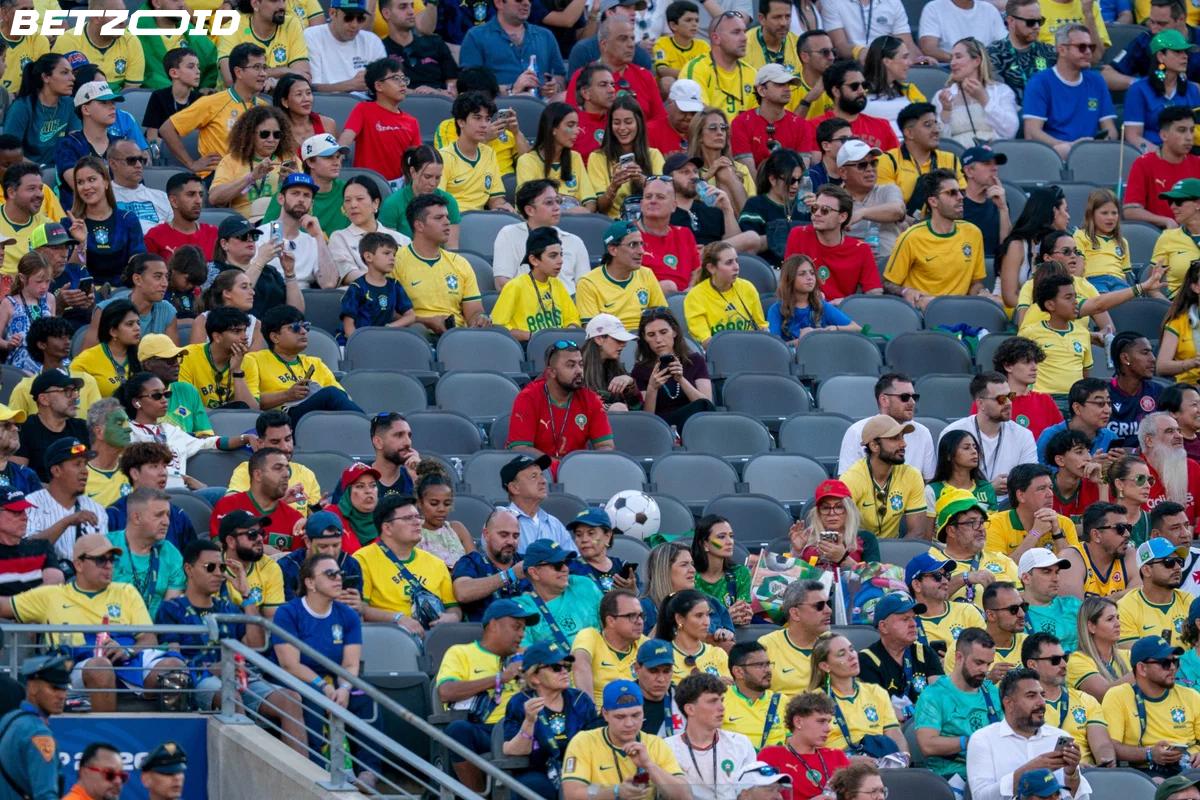
The images were damaging. The South Korea vs Czech Republic match in Guadalajara's 45,664-capacity stadium became the tournament's most-shared photograph for all the wrong reasons — visible stretches of empty rows, mid-match. FIFA's counter was that fans were standing in the concourses rather than their seats, and that official attendance of 44,985 was based on tickets scanned, not visual estimates. Canada's debut against Bosnia and Herzegovina at BMO Field had over 1,000 seats unsold, with Category 1 and 2 tickets priced between $1,645 and $2,240.
The pushback from fans online was sharp and split. One camp pointed to Sports Business Journal data showing all matches through June 15 recorded at least 97% attendance, with five games — including the opener — at 100%. "Hope that helps to overcome stupidity," one fan posted alongside the screenshot. Others argued the widely-shared empty-stadium photos were taken hours before kickoff, not during play.
Both things can be true. Attendance figures can technically hold up while pricing still locked out the casual, cost-conscious fan who would have filled those seats organically.
A pricing model that punished curiosity
Local Toronto fan Andrew Villareal put it simply: "I looked up the US games; it came in at like $2,700 for a single ticket. I'm not gonna do that." He eventually got in — after months of lotteries, queues, and strategic pivots. Most people don't have that kind of persistence. Most just walk away.
Before 2026, World Cup prices had broadly tracked inflation across previous tournaments. The dynamic pricing model introduced this cycle changed the entire structure — and not gradually. It shifted the floor, not just the ceiling. Fans entering the queue had no way of knowing what price they'd see at checkout. That uncertainty alone kills casual participation.
- Cheapest final ticket: originally capped at $1,550 — reached $5,785 by April 2026
- Most expensive tickets: listed at $10,990, resold for three times that
- USMNT opener: 4,400+ unsold seats days before kickoff
- Canada debut: 1,000+ unsold seats, Category 1 and 2 priced up to $2,240
- FIFA's $60 supporter tier: covered roughly a few hundred seats per 80,000-capacity venue
FIFA did make genuine strides elsewhere. The 2026 tournament became the first in any sport to earn KultureCity's Sensory Inclusive certification, with audio-descriptive commentary, sign language interpretation, and sensory spaces across all 16 venues and 104 matches. That matters. It just doesn't offset a ticketing system that priced out the people it was supposed to serve.
Six million tickets sold. Rows of empty seats. A final that cost $5,785 to attend. FIFA can pick which number they want to lead with — but the cameras don't lie.