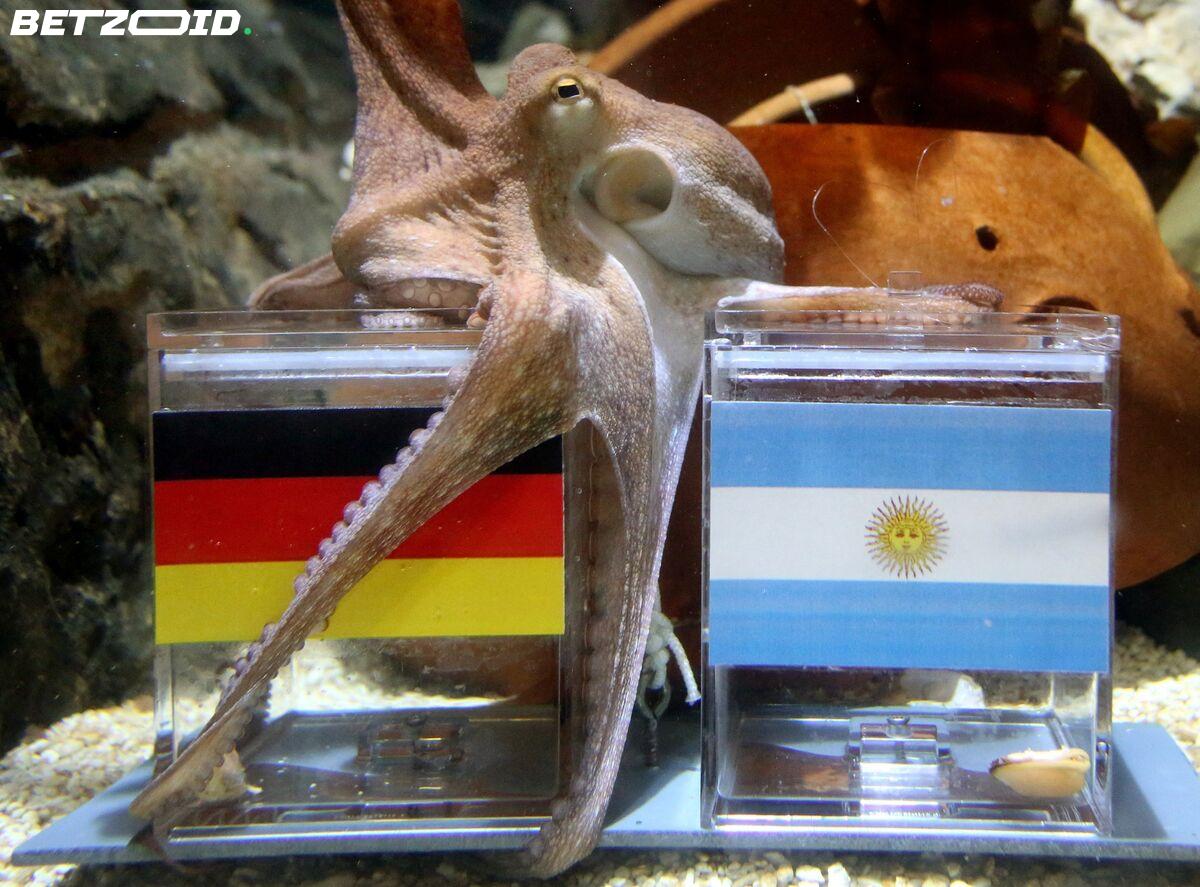
The 2026 World Cup kicked off Thursday in Mexico, and somewhere in Oberhausen, there's a memorial to a dead octopus that still has more predictive credibility than most pundits.
Paul the octopus became a global phenomenon at the 2010 World Cup by correctly picking the outcome of all seven of Germany's matches. He died that October, celebrated, immortalised in fibreglass, and — let's be honest — never properly replaced. His record stands. No pundit, model, or algorithm has matched it with that kind of clean sweep on the biggest stage.
Why prediction still matters
The reason Paul captured the world wasn't really about an octopus choosing between two boxes of mussels. It was about our obsession with knowing what happens next in football — a sport that consistently refuses to behave. Every major tournament shreds at least one consensus pick before the quarter-finals. The 2026 edition, spread across three countries with a bloated 48-team format, will almost certainly deliver more chaos than any previous World Cup.
The Netherlands are already being floated as potential beneficiaries if the tournament's unpredictability cuts down the traditional favourites. Whether that translates into a first World Cup title in their history is another matter entirely — the Dutch have a long and painful tradition of making the final act feel like the hardest part.
Prediction markets will swing wildly across this tournament. They always do. A single result in the group stage can flip outright winner odds by double-digit percentage points. Paul understood something the markets sometimes forget: sometimes the correct answer is just to commit and not second-guess yourself.
He went seven for seven. The 2026 tournament has just begun. His record is still safe.