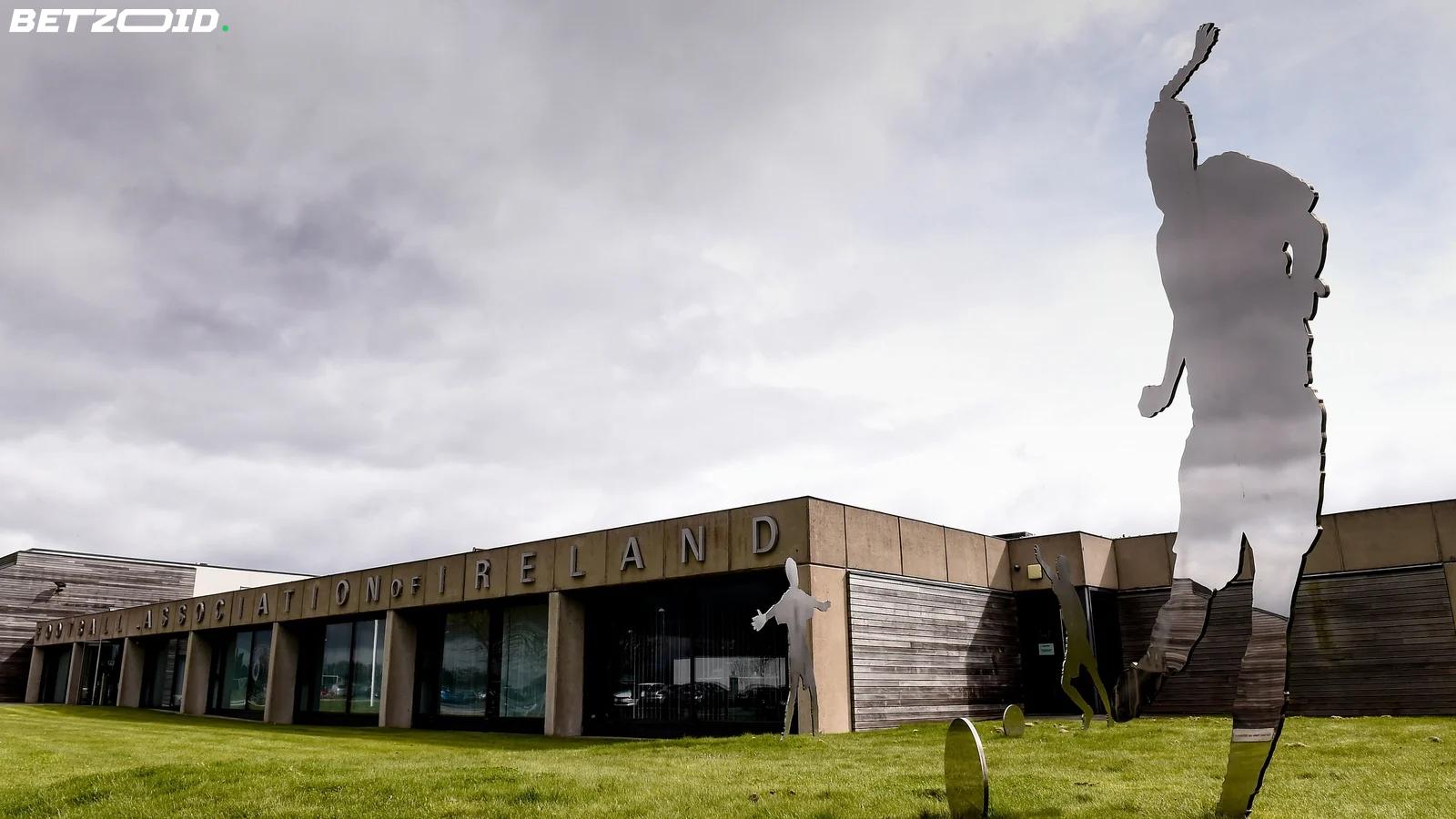
The FAI has pulled the plug on its aligned football calendar plan, confirming it won't feature in the current 2026-2029 strategy. After a bruising public fight with grassroots leagues across the country, Irish football's governing body has blinked.
The backstory matters here. In late 2024, the FAI's general assembly voted to phase in a unified "summer football" model across all levels by 2028 — bringing grassroots, underage, and amateur leagues in line with the League of Ireland, which runs roughly February to November. The problem? About two thirds of those grassroots leagues were running winter seasons — August to June — and had zero interest in being told to do otherwise.
Why the plan fell apart
Opposition was loud and organised. Critics pointed to participation drop-off, the logistical nightmare of transitioning hundreds of clubs simultaneously, and a specific competitive threat: losing underage players to the GAA during the summer months. Former Republic of Ireland international Kevin Doyle flagged that last one explicitly in 2024, warning rural clubs could haemorrhage young talent. It's a credible concern in counties where GAA is the default sport and football clubs are fighting for every teenager they can get.
The FAI had already started softening its position before Friday's announcement — last year it said leagues could apply for exemptions, which somewhat undermined the whole point of "alignment." Allowing opt-outs in a system designed to unify everyone is a contradiction that never fully resolved itself.
What actually changes
In practice, not much shifts on the pitch. Leagues keep whatever structure suits them locally. The FAI Men's Under-17 Cup, FAI Youth Cup, FAI Intermediate Cup, and FAI Junior Cup will all run on a winter-season schedule. The League of Ireland carries on as it was.
Ireland remains the only UEFA member without an aligned calendar — a distinction the FAI had used to justify the push for change in the first place. That fact hasn't gone away. The association says the consultation "may be revisited" in the next strategic planning cycle after 2029, which is a diplomatic way of saying the argument isn't over, just postponed.
Whether the next attempt is handled with more groundwork and less top-down pressure is the real question. This time around, the FAI underestimated how hard grassroots football would push back. They won't make that mistake twice.