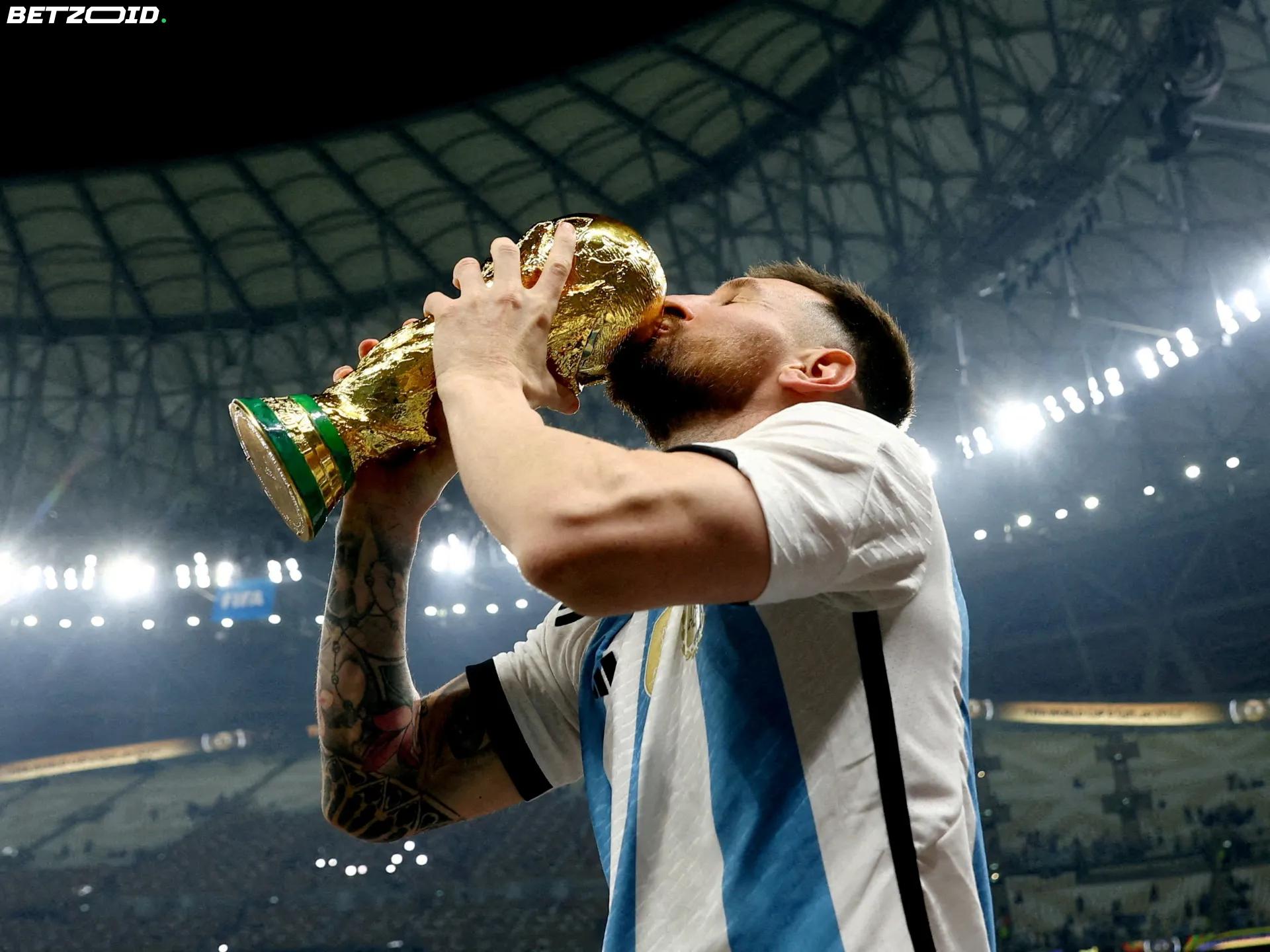
"There is no one else like him." That's not a fan being hyperbolic — that's just the plain truth, and Argentina knows it now more than ever.
Lionel Messi announced his retirement from international football this week via a handwritten letter posted to Instagram — one he says he wrote two days after losing the 2022 World Cup final against Spain. He'd held onto it for three years. "I leave with the peace of mind and pride of having given you — alongside my teammates — moments we once only dreamed of," he wrote.
207 caps. 125 goals. Six World Cups. Eight Ballon d'Or awards. The numbers are almost unfair to list, because they still don't capture what Messi meant to a country that spent years questioning whether he meant it at all.
From Criticism to National Symbol
For most of his international career, Messi existed in Maradona's shadow — unfavourably compared, constantly questioned, accused of caring more about Barcelona than the Albiceleste. The 2022 World Cup in Qatar ended all of that. One tournament, one trophy, and the conversation shifted permanently. Argentina now has two gods. They just lost the living one.
Angel Di Maria, who shared the pitch with Messi through that Qatar triumph, put it simply: "I only know that I was born in the right century to be able to see you." Rodrigo De Paul, his Inter Miami teammate, called him "the greatest of all time" and thanked him for the smiles. These aren't ceremonial tributes — they're from men who actually know what it looked like up close.
In Buenos Aires, murals are being photographed, monuments are lit in blue and white, and clubs across the country are hanging banners. The Argentine Football Association is planning a farewell match. Fans are pushing for his number 10 shirt to be retired — FIFA rules won't allow it, and the AFA has already tried.
What Comes Next for Argentina
Messi's retirement lands at an already complicated moment for Argentine football. The AFA is under investigation for corruption and financial irregularities. Coach Lionel Scaloni built his entire system around Messi — what that team looks like without him is genuinely unclear, and anyone pricing Argentina for the 2026 World Cup should factor in that this isn't a simple rebuild.
At 39, having recently lost his father Jorge — who was central to his career from the very beginning — the timing makes sense, even if it stings. "It was a decision that hurt — and still hurts deep down — but I understand that the time has come," Messi wrote.
He still plays for Inter Miami in MLS. The club career continues. But the sky blue and white are folded away for good.
"You are eternal," De Paul said. For Argentina, that's the only comfort on offer right now.