"An accident waiting to happen" — that's Arsenal manager Mikel Arteta's verdict on the current player workload, and with five weeks until the World Cup, the accidents are arriving on schedule.
Kylian Mbappe is nursing a hamstring injury. Lamine Yamal is out for the rest of the club season. Mohamed Salah gave France and Liverpool fans a scare before scans brought some relief. The list of walking wounded reads like a Who's Who of the tournament's most anticipated players, and we haven't even kicked a ball yet in the United States, Canada and Mexico.
The ones who won't make it
Several players are already confirmed out. France's Hugo Ekitike ruptured his Achilles in April — a recovery timeline that stretches well beyond the tournament and potentially into next season. Brazil are without both Rodrygo (ACL) and Eder Militao (hamstring), which strips serious quality from a squad that was already navigating a difficult qualification cycle. Germany lose Serge Gnabry to an adductor injury picked up in training — not a marquee absence, but another body gone. Netherlands midfielder Xavi Simons won't be there either, ACL damage ending what was shaping up to be a breakout international summer.
The United States, as co-hosts, lose Cameron Carter-Vickers and Patrick Agyemang to Achilles injuries. Both absences hurt depth in a squad that can't afford to run thin at home.
The ones still on the clock
Mbappe is expected back for Real Madrid before the end of the month, and France insist there's no serious concern. But a hamstring issue at 26, with this workload, is never something to wave away. Any World Cup squad built around Mbappe — and France's is — immediately looks shakier in the betting market when he's not playing regularly going in.
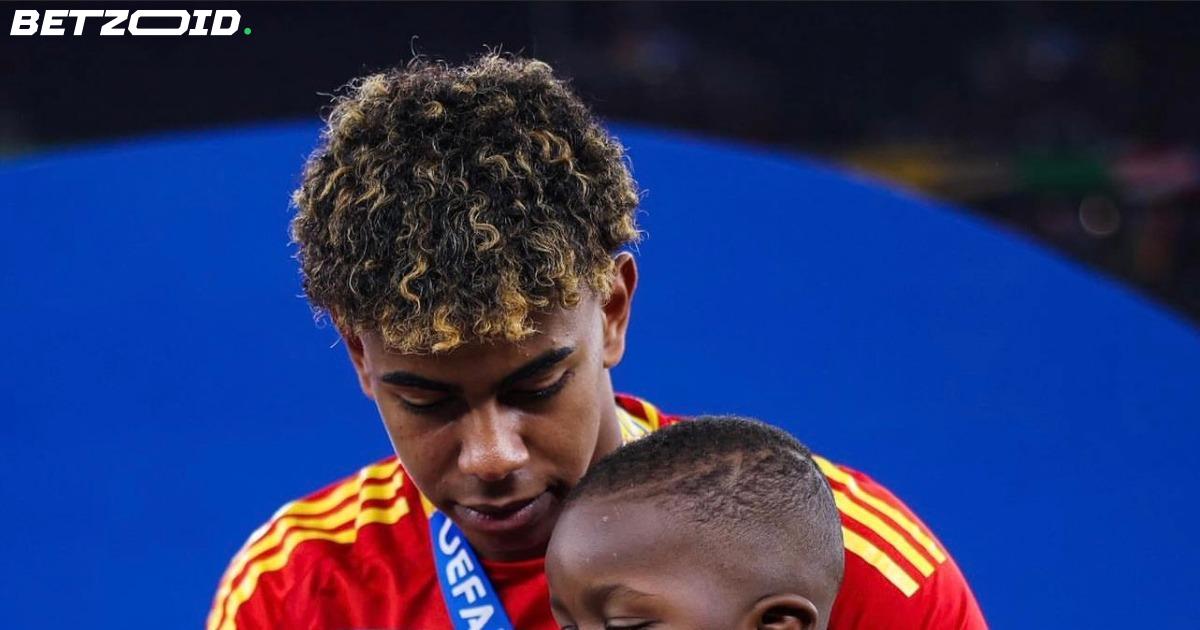
Yamal's situation is more nuanced. The Barcelona teenager hasn't played since a leg muscle injury, but Spain expect him to be fit in time. At 17, recovery tends to move faster. That said, throwing an unplayed teenager into a World Cup opener is a gamble even the most optimistic Spain fan should acknowledge.
Rodri is the name that probably matters most to club and country. He missed the bulk of last season with ACL damage, returned this year, and has now been sidelined again with a groin problem. Guardiola's recent updates have been positive, and Rodri should feature before the season ends. But his durability is now a genuine question — one that affects both Manchester City's late-season form and Spain's midfield structure at the tournament.
Brazil's teenage Chelsea forward Estevao is also touch-and-go, with conflicting reports about whether he'll recover in time. Croatia's Luka Modric broke his cheekbone last month but is expected to feature, which at 39 is either admirable or alarming depending on your view. PSG's Achraf Hakimi is sidelined with a thigh injury, and Morocco's defensive options narrow with him out.
The broader picture here isn't just about individual players. The expanded Club World Cup last summer, the bloated Champions League format, the relentless domestic schedule — it's all compounding. When Arteta says "accident waiting to happen", he's not being dramatic. He's describing a system that keeps adding fixtures without any serious reckoning with what that does to human bodies. The World Cup will be the one picking up the bill.