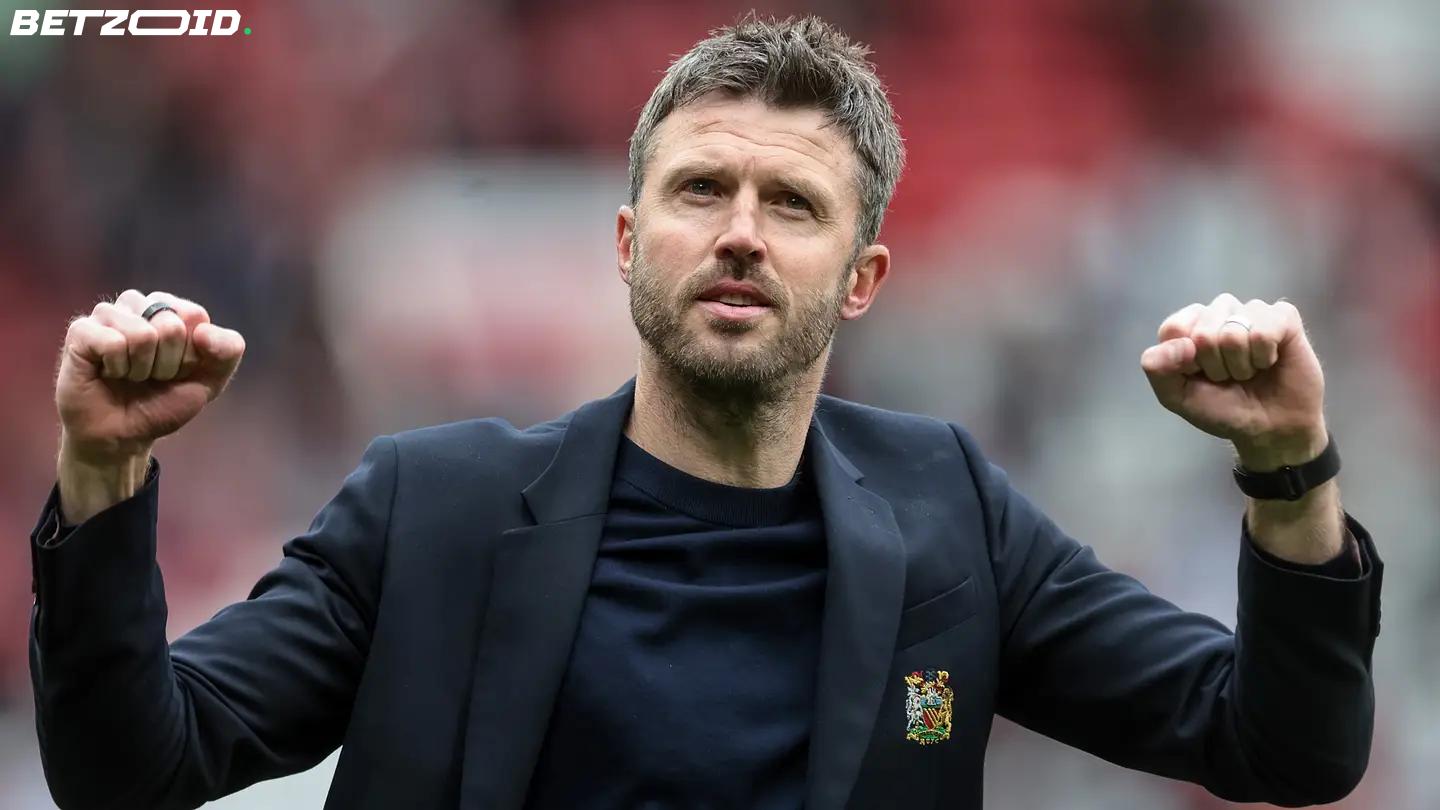
Omar Berrada has put a date on it. Manchester United's chief executive wants the Premier League trophy back at Old Trafford before the club's 150th anniversary in 2028 — and after watching Michael Carrick's second-half surge last season, he's not hiding his timeline. "Ideally, we do it next season," Berrada said. "I think we're in a good place."
That confidence runs through every floor of the building. Leny Yoro, 20 years old and only beginning to realise what he can do, told media on the preseason tour that the target is to "win every game." Bruno Fernandes has been saying versions of the same thing for years. Mason Mount, despite barely staying fit, declared the Premier League "absolutely" winnable. Even Carrick — a man who has turned understatement into a management philosophy — let the mask slip: "Manchester United and our incredible supporters deserve to be challenging for the biggest honours again."
When a club speaks this unanimously, it's either delusion or momentum. Right now, there's a legitimate argument for the latter.
What Carrick's Half-Season Actually Proved
Since Carrick returned to the dugout in January, United collected more points and scored more goals than any other side in the division across 17 games. That run included wins — or at minimum competitive performances — against Arsenal, Manchester City, and Liverpool. Not a soft schedule.
The attack was the engine. Bryan Mbeumo, Matheus Cunha, and Benjamin Šeško cost north of $270 million combined and all improved as the season progressed. United were more productive in open play than champions Arsenal, while also generating goals from set pieces without becoming dependent on them. Fernandes, by all accounts, delivered the best football of his United career. That entire attacking structure remains intact heading into 2026-27.
Continuity matters more in the modern Premier League than it ever has. Carrick is already the 10th longest-serving manager in the division. Nine new head coaches will start the season across the league — a record — while Chelsea, Manchester City, and Liverpool all have new figures in the dugout. United's title odds look considerably more reasonable in that context.
The Gaps That Still Need Filling
The scepticism isn't unfounded, though. Carrick's run came with a significant structural advantage: United weren't in Europe. While title rivals rotated desperately through crowded fixture lists, United went weeks without a competitive game. That cushion disappears in 2026-27 — Champions League football returns to Old Trafford, bringing at least eight more matches at the highest level.
Whether the squad has the depth to handle that load is a genuine question. Whether Carrick, still relatively new to senior management, has the rotation instincts to manage it is another. The defensive picture adds further uncertainty:
- Lisandro Martínez's injury record remains a persistent concern
- The midfield structure without Casemiro hasn't been settled
- No team conceded more goals from fast breaks last season than United — a vulnerability that better-organised sides will target repeatedly
The attack can carry a lot. It cannot carry everything. United's title odds — and their ability to back that boardroom confidence with actual silverware — will hinge almost entirely on whether Carrick can tighten the defensive structure that the second half of last season conveniently avoided being fully tested.
José Mourinho reportedly handed Carrick a whistle and headache tablets when he joined the coaching staff in 2018. The whistle has been well used. The tablets may finally be needed.