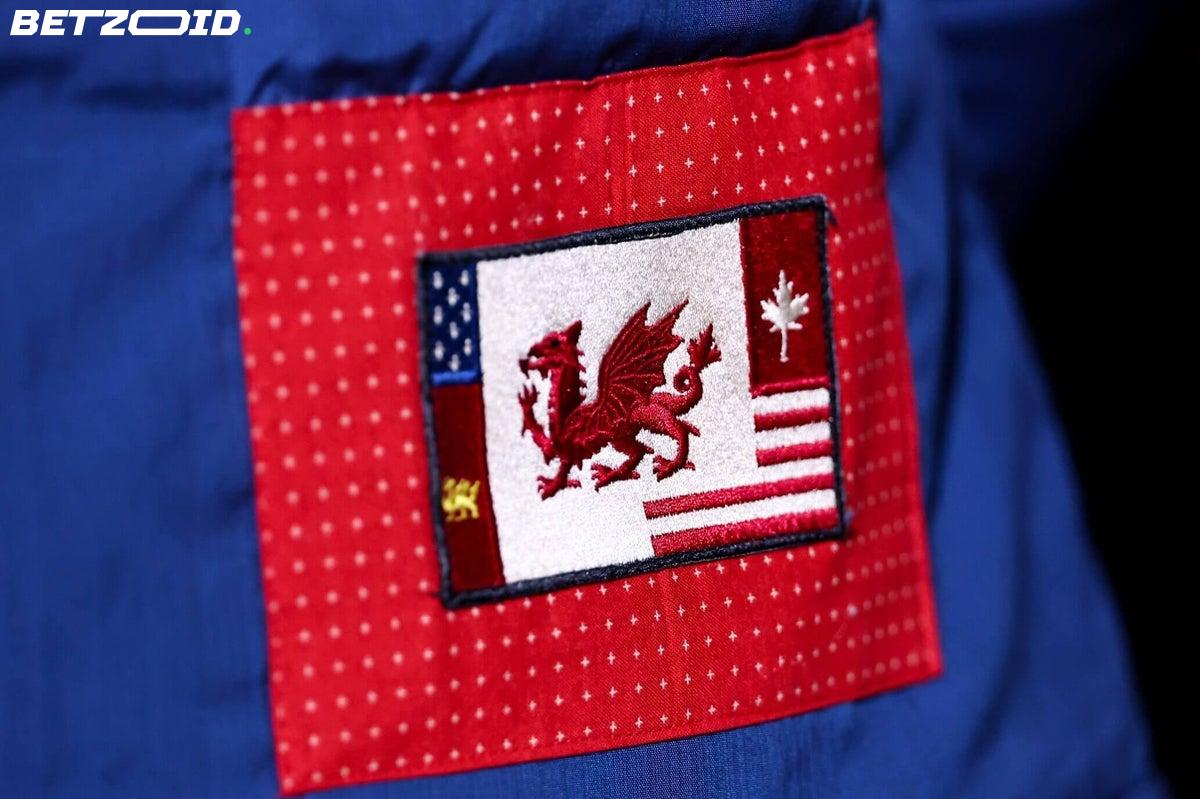
When Wrexham host Chelsea in the FA Cup this weekend, it's more than just a classic David vs Goliath matchup. It's a clash between two clubs that completely revolutionized football ownership—just in very different ways.
Chelsea were the trailblazers of the early 2000s. Wrexham might be showing us the future. And the story of how we got here is absolutely fascinating.
Remember when Roman Abramovich bought Chelsea in 2003? That summer changed everything. The Russian oligarch pumped money into the club like nobody had ever seen before, and suddenly the entire Premier League had to scramble to keep up.
"So much of where we are today can be traced back to that moment," says Christina Philippou, a sport finance professor at the University of Portsmouth. She's right—Abramovich's billions triggered a complete reshaping of football ownership across England and beyond.
His arrival sparked a domino effect. Other owners realized they needed deeper pockets or had to sell to someone who did. American investors started eyeing Premier League clubs as bargains compared to U.S. sports franchises. Malcolm Glazer's Manchester United takeover in 2005 opened the floodgates.
From Oligarchs to Hollywood Stars
The Abramovich era also paved the way for sovereign wealth funds at Manchester City and Newcastle. Even when he was forced to sell Chelsea in 2022 after Russia invaded Ukraine, he broke new ground—his £2.5 billion sale price set a new benchmark for club valuations.
But here's where it gets interesting. That old model of just throwing cash at a club doesn't really work anymore thanks to Financial Fair Play and squad cost controls. You need to actually grow revenue now, not just inject owner funds.
Enter Ryan Reynolds and Rob McElhenney at Wrexham. They bought the National League club in 2021 and turned it into a global phenomenon through brilliant storytelling and social media savvy. Their Disney+ documentary "Welcome to Wrexham" has won 10 Emmys and made the Welsh club famous worldwide.
The numbers speak for themselves. Wrexham generated £13.18 million in commercial revenue while playing in League One during 2023-24. That's absolutely massive for a club at that level, and it shows what smart marketing can achieve.
"It's just brilliant business," says Charlie Methven, a former football executive. "What they've recognized is that there's no real limit to the commercial revenue you can make." While stadium capacity and TV money are fixed, merchandising and sponsorships can grow infinitely if you tell your story right.
The New Blueprint for Football Clubs
Wrexham have become such a draw that they've played Chelsea in pre-season tours for two straight summers. Liverpool just announced they'll face them at Yankee Stadium in July. These are the kind of money-spinning friendlies that used to be reserved for the elite clubs only.
For punters watching Saturday's FA Cup tie, Chelsea are obviously favorites. But Wrexham's momentum as a Championship promotion contender shouldn't be underestimated. They've already pulled off three consecutive promotions, and their confidence is sky-high.
The real question is whether other clubs can copy Wrexham's formula. Tom Brady's attempt with Birmingham City hasn't hit the same heights, suggesting it's not quite as simple as just making a documentary.
"Every club is unique," warns Keith Wyness, former CEO of Everton and Aston Villa. "It wouldn't necessarily work in another place." But that hasn't stopped people trying—YouTube influencer KSI just bought into Dagenham and Redbridge this week.
What Wrexham has proven is that storytelling and digital engagement matter just as much as transfer budgets in modern football. You don't need Roman Abramovich's billions if you've got Ryan Reynolds' Instagram following and marketing genius.
As these two clubs meet at The Racecourse Ground, they represent past and future. Chelsea showed football that money talks. Wrexham are showing that attention and engagement might talk even louder. Both approaches transformed the game—and both will shape what comes next.