Spain are world champions. Ferran Torres' extra-time goal settled a 1-0 final against Argentina on July 19, and Unai Simón walked away with a record six clean sheets across the tournament. But the 2026 World Cup — 109 matches, 16 venues, three countries — produced far more stories than the one that ended with a trophy lift.
Some teams exceeded every expectation. Others collapsed under the weight of their own reputation. Here's the full verdict.
The Winners
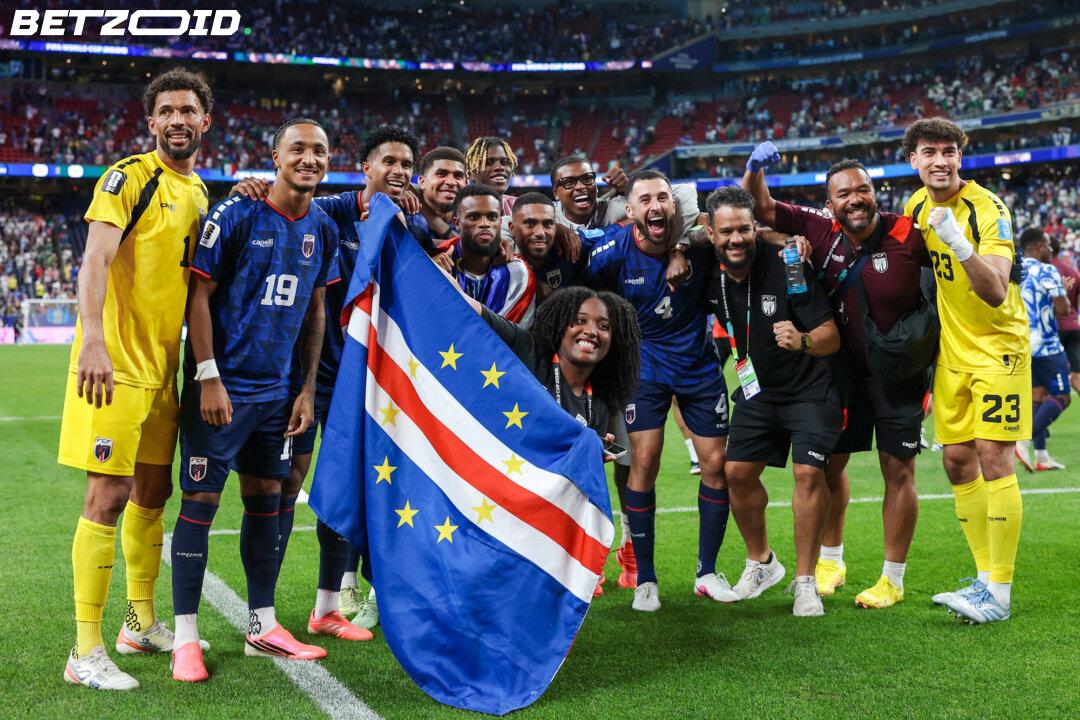
Cape Verde were the story of the tournament. A debut World Cup squad built largely from diaspora descendants, including one player recruited via LinkedIn, and anchored by a 40-year-old goalkeeper — Vozinha — who didn't belong to a professional club. They held Spain to a 0-0 draw in the opening group stage match, the only team to do so throughout the entire competition. Then they pushed Argentina to 1-1 through 90 minutes and 2-2 in extra time before Messi finally ended it 3-2. Cape Verde didn't win. They didn't need to.
Switzerland reached the quarterfinals for the first time since 1954, and they did it playing down to 10 men for the second half against Argentina. They held a draw through 90 minutes and then through 20 minutes of extra time before losing the shootout 3-1. That is a performance that deserves far more credit than it will get.
Norway arrived ranked 34th and reached the quarterfinals. Erling Haaland made a genuine run at the Golden Boot on his first World Cup appearance and sent Brazil home with two goals — the second landing in the 90th minute. Their travelling fans went viral across New York City with the "Row!" chant. A breakthrough tournament by every measure.
The Scotland Tartan Army won the tournament off the pitch. Their first World Cup since 1998, and they spent it taking over Boston for weeks, draining bars dry, placing traffic cones on statues, and marching through Miami in kilts to bagpipe soundtracks. Scotland were eliminated by Belgium in the round of 16. Nobody cared. The chant "No Scotland, No Party" was accepted as fact by fans from every other nation.
African football as a collective also deserves a mention. Nine of the 10 African teams that qualified advanced from the group stage. That's not a fluke — that's a continental shift in competitive quality.
The Losers
Brazil lost to a team ranked 34th in the world. Haaland scored twice, the second in the 90th minute, and Brazil responded by picking up yellow cards and Neymar barking at the Norwegian goalkeeper after a stoppage-time penalty made it 2-1. Too little, too late, and badly handled. A nation that carries five World Cup titles and arrived ranked sixth went home before the quarterfinals.
Germany and the Netherlands both exited in the round of 16 on penalty kicks, which tells you everything about how little they offered in open play. Germany — ten World Cup titles between them and the Netherlands — couldn't beat Paraguay through 120 minutes and lost the shootout 4-3. The Dutch went down to Morocco 3-2 on penalties after 1-1 through all playable time. The Oranje Army went home early. Two historically elite programs both stalled at the same stage in the same fashion.
Tunisia were the only African side to crash out in the group stage — losing 5-1 to Sweden, then 4-0 to Japan, then 3-1 to the Netherlands. Their coach Sabri Lamouchi was fired after the opening defeat. The team that followed wasn't his anyway, and it showed.
Portugal and Cristiano Ronaldo closed what may be CR7's last World Cup with three goals and an early exit. They drew 1-1 with the Democratic Republic of the Congo in the opener — and Ronaldo didn't score. Zlatan Ibrahimovic publicly criticised Portugal for over-relying on him to get on the scoresheet. They battered Uzbekistan 5-0, went scoreless against Colombia, then lost to Spain in the round of 16. Three goals from a player who arrived as the pre-tournament Golden Boot favourite. For Ronaldo, this may be the final chapter of his World Cup story — and it didn't deliver the ending he needed.
Lionel Messi wins the World Cup bracket but earns a different kind of loss here. Argentina lifted the trophy in 2026, but Messi didn't score enough to contend for the Golden Boot and couldn't find a way past Vozinha without a deflection in the 90th minute against Cape Verde's ten men. He got his result. The performance left questions.