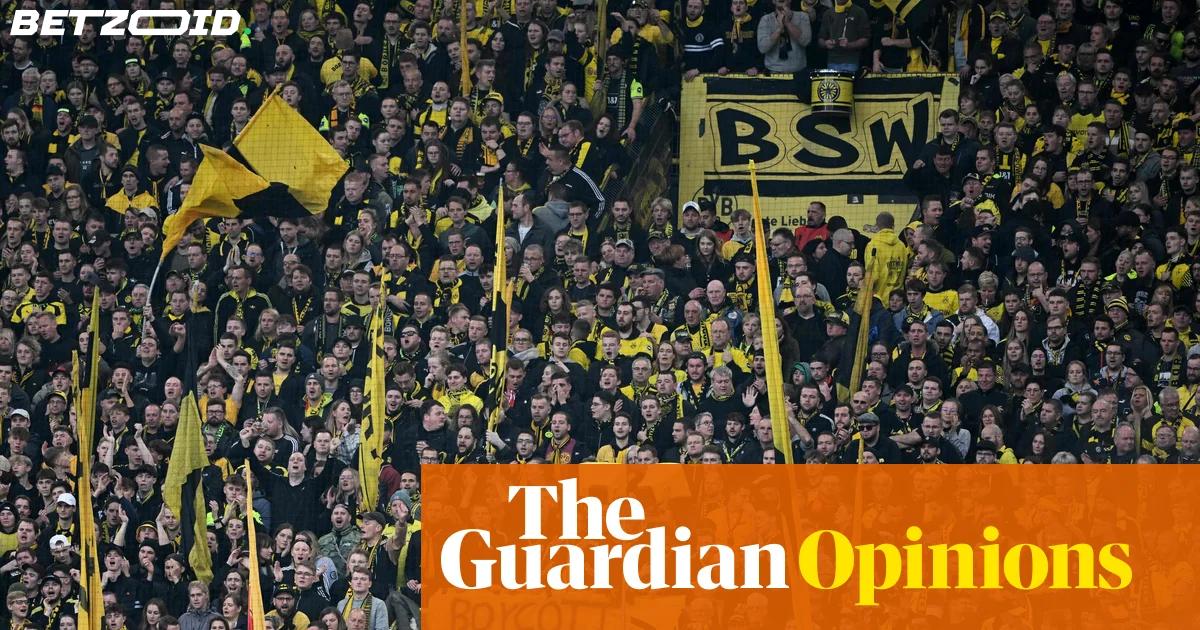
Talk of boycotting the 2026 World Cup is getting serious. German soccer federation vice-president Oke Göttlich made headlines by calling for a real discussion about staying away from the tournament. He's not alone - leaders from about 20 European soccer federations have been talking about this possibility.
The reasons are clear. Donald Trump's policies on immigration, his threats against Greenland, and actions in Venezuela have raised alarm bells. Even disgraced former FIFA president Sepp Blatter jumped in, telling countries to "avoid the United States."
But here's the uncomfortable truth: a boycott probably wouldn't accomplish much. And it might hurt the wrong people.
Who Actually Gets Hurt by a Boycott?
Let's be honest - Trump likely doesn't care enough about soccer to change his policies over a World Cup. If teams stayed away, he'd probably just dismiss it and move on, much like he does with other criticism.
FIFA would take a hit to their reputation, but they'd still collect most of their broadcasting and sponsorship money. They've already sold tons of tickets too. The organization has proven time and again that embarrassment doesn't really bother them anymore.
So who really suffers? The fans who can't watch their teams compete. The players who miss their shot at World Cup glory. And all the regular people who would work at the tournament or benefit from the tourism boost.
For bettors, a major European boycott would completely reshape the tournament odds. Teams like England, Germany, France, and Spain staying home would dramatically increase the chances for South American and other nations.
History Shows Boycotts Don't Work
Göttlich mentioned the 1980 Olympic boycotts as precedent. But that's actually a perfect example of why boycotts fail. The US and Western countries skipped the Moscow Olympics over the Soviet invasion of Afghanistan. The Soviets then boycotted LA in 1984.
Neither boycott changed anything politically. The Soviets stayed in Afghanistan until 1989 anyway. All that happened was two Olympics got ruined and countless athletes lost their chance to compete.
World Cup boycotts are even rarer. Uruguay skipped the 1934 tournament because European teams didn't show up to their 1930 edition. African nations boycotted in 1966 over their lack of qualifying spots - and that actually worked, earning them a full berth in 1970.
But those were different situations. This time, you're dealing with an administration that doesn't seem to care about international conventions or diplomatic norms. A boycott likely won't move the needle.
Maybe the better move is showing up and making your voice heard in person. After all, nobody hears you protest if you're not there to speak up.