An Irish football fan posted an invoice online and accidentally summarized everything wrong with American soccer development. The bill? $3,300 to play under-9 soccer for one season at a local club. His point: his parents didn't spend that much across eight full years of his childhood in Ireland.
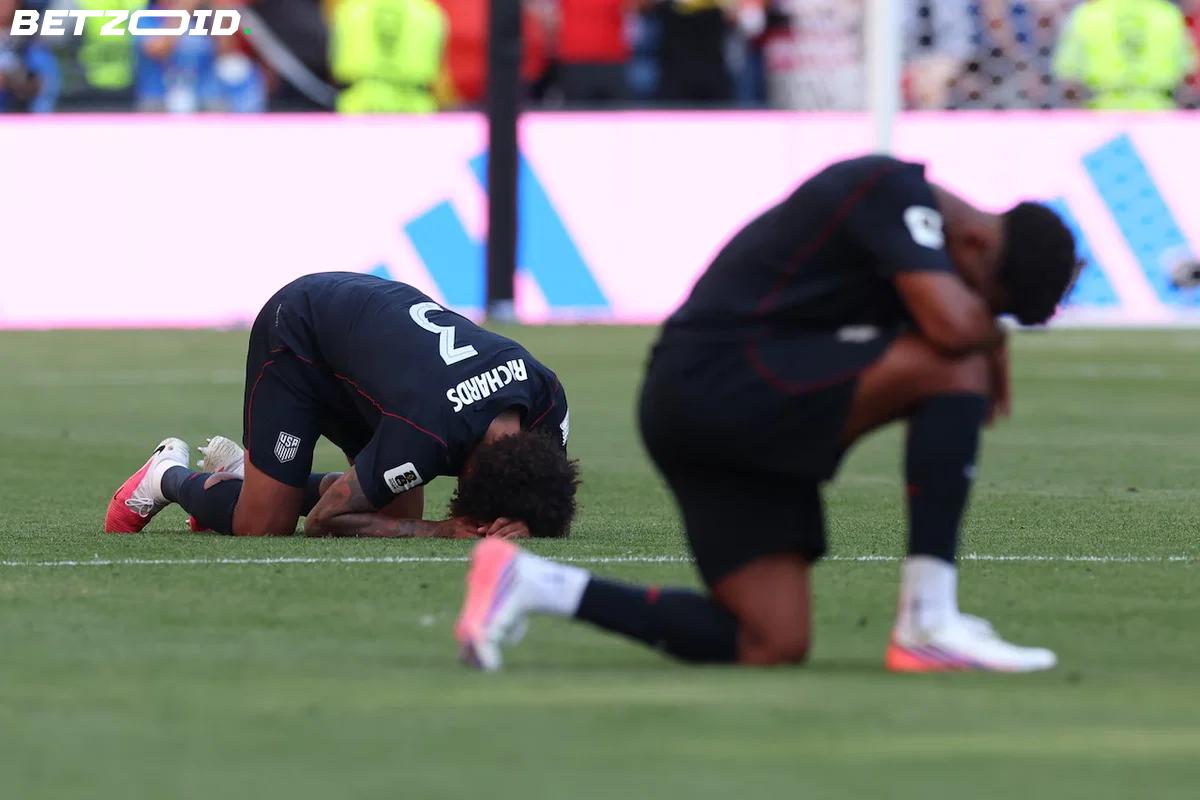
The post went viral in the wake of the USMNT's 4-1 Round of 16 exit to Belgium — a result that was hard to watch and even harder to explain away. The usual excuses came out quickly: Americans prefer the NFL, the NBA, baseball. But those arguments have always been a bit too convenient. The real structural problem runs deeper.
A system that prices out talent before it develops
Recreational youth soccer in the US sits in the $100–$600 per year range. Affordable, accessible, fine. But the moment a kid shows ability and gets pushed toward competitive travel soccer, the numbers shift fast. Club fees of $1,500 to $6,000 before a single hotel room is booked. Elite leagues like ECNL and MLS NEXT can push annual family spending past $15,000.
One breakdown from Money.com puts it plainly: $330 club membership, $1,050 registration, and then $8,900 more in travel, gear, and private training. Per child. Families with two kids playing at that level are looking at $20,000 a year — not to play professionally, just to be considered for a team.
World Cup winners Briana Scurry and Hope Solo have both spoken openly about this. College coaches and national team scouts don't hang around recreational leagues. They show up at the expensive tournaments, which means the kids whose families can afford the entry fee get the exposure. Everyone else gets filtered out early.
What Belgium exposed
A 4-1 scoreline against Belgium wasn't just a bad day. It was a talent gap made visible. And talent gaps don't appear in a single tournament cycle — they get built over decades of a system that turns soccer into a product rather than a pathway.
Other nations produce elite players out of street football, school systems, and low-cost academies. The US produces elite players out of families willing to write five-figure checks. That's not a development model. That's a filter — and it's cutting off exactly the kind of raw, hungry talent that wins at the highest level.
- Recreational soccer: $100–$600/year
- Competitive travel soccer: $1,500–$6,000/year (before travel)
- Elite leagues (ECNL, MLS NEXT): $15,000+/year
- Average family cost with two competitive players: ~$20,000/year
Until the pay-to-play structure is dismantled — or at least meaningfully subsidized — the debate after every tournament exit will circle back to the same place. The best American soccer player might be working a second job right now because their parents couldn't afford the club fees at age ten.