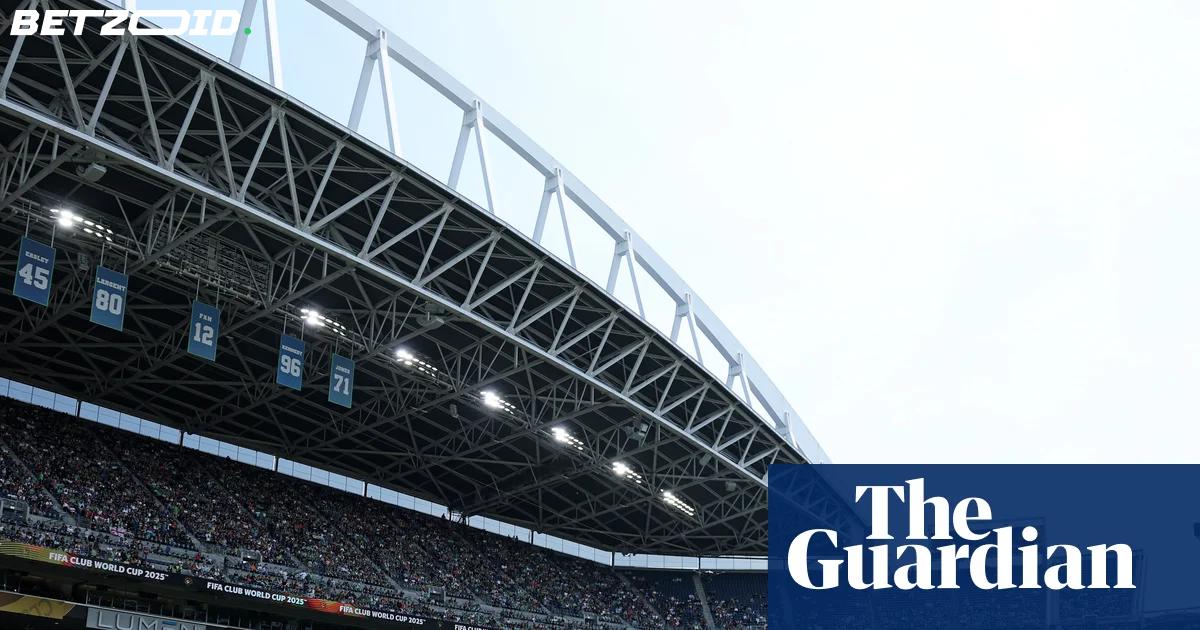
America wants another one. Fresh off a record-breaking World Cup — 6.5 million tickets sold, revenue expected to clear $11 billion — the United States is already in talks with FIFA about hosting the 2029 Club World Cup.
No formal bid has been submitted. The selection process hasn't even been outlined yet. But the conversations are happening, and the direction of travel is obvious.
Why this makes financial sense for FIFA
FIFA nearly doubled its ticket sales record this summer. That's not a coincidence of timing — it's a function of American commercial infrastructure, market size, and the appetite for premium pricing that FIFA has been pushing hard. The organisation trialled dynamic ticket pricing at last year's Club World Cup, pulling in $411 million from tickets and hospitality alone. Scale that model up in the US market, and you can see why Infantino would be receptive to the idea.
Andrew Giuliani, who chairs Trump's World Cup taskforce, put it plainly this week: "Soccer is no longer a future American story. It's happening right now." Hyperbole, maybe — but the numbers from this summer back up the sentiment.
It's worth knowing that the 2025 Club World Cup was handed to the US without a competitive bidding process at all. FIFA's Council voted unanimously. That tells you something about how the relationship between these two parties actually works.
The competition and the complications
The 2029 tournament was widely expected to go to Spain and Morocco, two of the 2030 World Cup hosts. Brazil has publicly stated its interest. Qatar is reportedly circling. So the US entering the picture doesn't make this a done deal — it makes it a proper race.
One factor that could tilt things toward the US: FIFA wants to expand the Club World Cup to 48 teams by 2029, and the major European clubs are reportedly on board. Hosting a tournament that size requires serious logistical capacity. The US just demonstrated it has exactly that.
Trump leaves office in January 2029, months before the tournament would be held — but he'd almost certainly be in post when the hosting decision gets made, likely sometime after FIFA's presidential election in April 2026. That political proximity to Infantino has already shaped this World Cup in ways that raised eyebrows, most visibly with the Balogun red card reversal. It won't be ignored when votes are being counted.
FIFA hasn't put a major hosting decision to a membership vote since 2018. The way these things get decided now, the conversation happening in boardrooms matters more than any formal bid document.