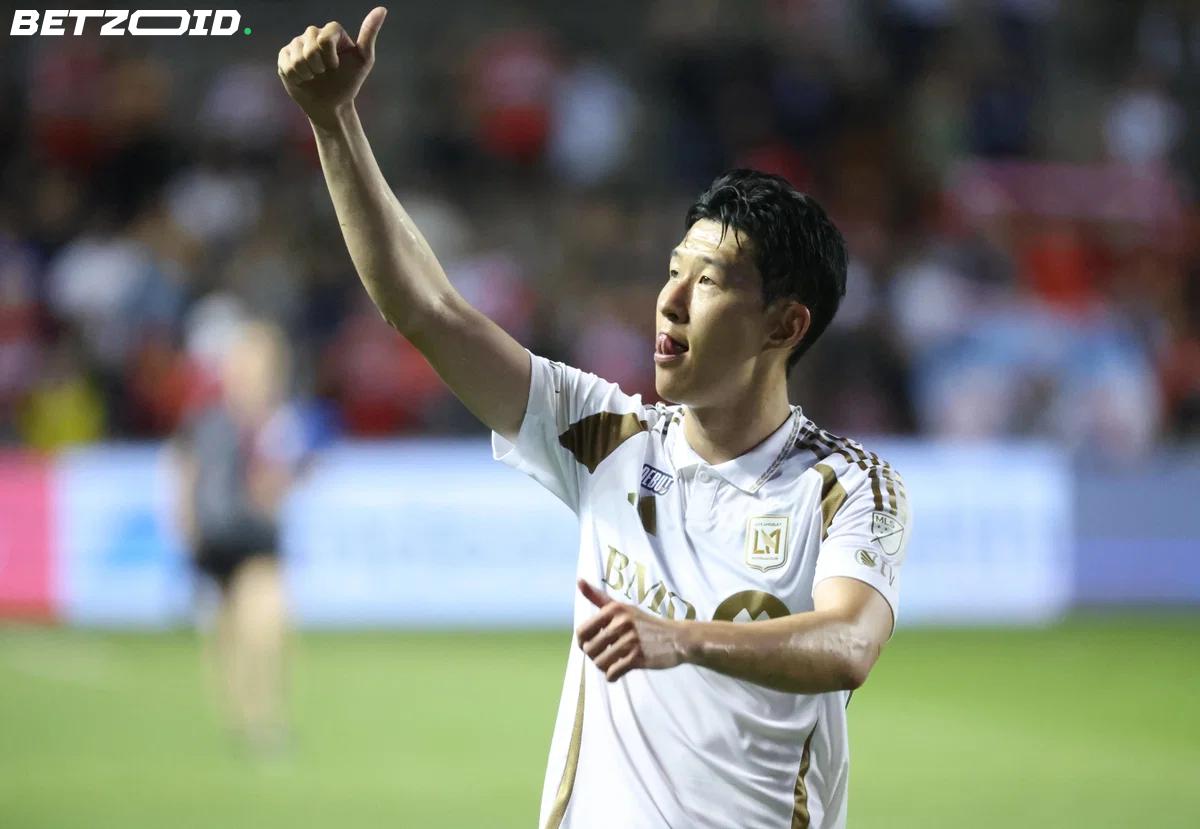
Same airport. Same defeat. Two completely different receptions. When South Korea's players returned to Incheon after their group-stage exit from the 2026 World Cup, captain Son Heung-min walked out at 4:30 a.m. under heavy security to cheers of "I love you" and "Thank you for your hard work." Head coach Hong Myung-bo had already been met with boos and "Hong Myung-bo, get out" chants.
Son had posted an Instagram apology the day before landing. "I can't pretend [nothing happened], and I don't want to escape reality," he wrote. "I would like to say sorry to all the Korean people and to the fans who love football." Fans accepted it. They showed up in the early hours of the morning to tell him so.
Nobody was showing up for Hong with that energy.
A coaching tenure that was controversial from day one
Hong resigned after the tournament. He took the blame publicly. It wasn't enough. The national team's official fan club, the Red Devils, issued a statement demanding he "kneel before the entire nation and leave the football world forever." That's not disappointment — that's something closer to contempt.
The anger has context. South Korea entered the 2026 World Cup unbeaten through qualification, carrying a squad with Son at Spurs, Lee Kang-in at Paris Saint-Germain, and Kim Min-jae at Bayern Munich. Then they lost to South Africa, ranked 60th in the world. A win over Czechia wasn't enough to offset back-to-back defeats to Mexico and South Africa. Group stage. Done.
Hong's tenure was contentious before a ball was kicked. KFA president Chung Mong-gyu reportedly tried to block his appointment. During the 2014 World Cup, Hong managed the team and they went winless. Bringing him back was always a gamble the federation made over internal objections.
Now the president wants answers
South Korea's President Lee Jae Myung has called on the Ministry of Culture, Sports and Tourism to investigate the entire situation — how it was managed, why it failed, and how to prevent it happening again. His reasoning was direct: "Significant national taxpayer funds and state support resources are invested even in World Cup participation."
That's the part that elevates this beyond football embarrassment. When government money is involved and a president is ordering investigations, a coach's resignation stops being the end of the story.
Hong himself acknowledged the weight of it: "It was not an easy decision for me to take this role. But once I took it, I thought about nothing else except being responsible until the very last moment."
Whether that counts for anything depends on what the investigation finds — and who it points at beyond the man who already resigned.