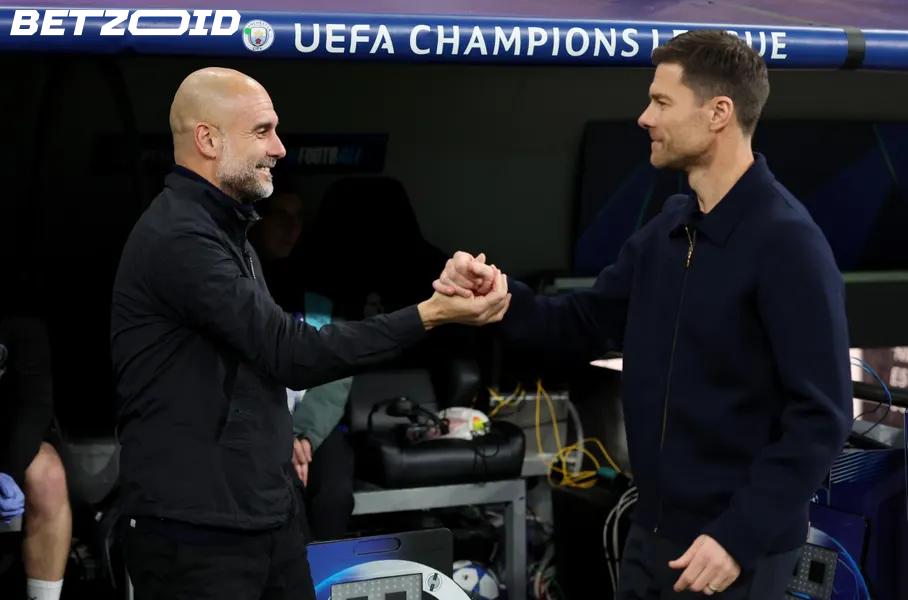
Real Madrid wins trophies like it's nobody's business. They seem to trip over Champions League titles while other clubs are desperately chasing them. But here's the thing – winning isn't everything when it comes to legacy.
Sure, Madrid is the most decorated club of this century. But when fans talk about legendary teams, Barcelona's name comes up more often. The impact Pep Guardiola's Barcelona had on football goes way beyond just silverware.
Remember that early 2010s Barcelona team? Xavi, Iniesta, and Messi playing that gorgeous passing football? That squad didn't just win – they changed how the world thinks about the game. Their philosophy is still studied and copied today.
Meanwhile, Real Madrid just stacks superstar after superstar. They've got incredible attacking talent, sure. But there's no unified identity. No lasting influence beyond the trophy count. And that drives Madrid's bosses absolutely crazy.
The Search for Madrid's Guardiola
Madrid has been desperately looking for their own Guardiola. Someone who can build a dynasty based on philosophy, not just big names. Zinedine Zidane won three Champions Leagues, but even he didn't create a distinct tactical identity.
Then came Xabi Alonso. Fresh from an incredible stint at Bayer Leverkusen, he seemed like the perfect fit. He'd played for Madrid and under Guardiola himself. He brought modern tactics and fresh ideas to the table.
For betting markets, Alonso's appointment initially looked promising. Teams with clear tactical systems tend to perform more predictably. But Madrid's star-first culture was always going to clash with that approach.
And clash it did. From day one, there were problems. Vinicius Junior publicly disagreed with the approach. Players seemed unhappy. Poor results followed, and Alonso got the axe quickly.
Why Madrid Will Never Change
Spanish football expert Guillem Balague said the club gave Alonso vague reasons for his dismissal. They said he couldn't implement his Leverkusen style. That players weren't improving. That the team wasn't playing for him.
But here's the real issue – Madrid's structure makes it impossible for any manager to truly transform the club. Alonso even admitted it himself, saying managers must adapt to Madrid's culture, not change it.
At Leverkusen, Alonso's team played with intensity and clear vision. At Madrid, he seemed to be compromising his principles from the start. That's a red flag for anyone betting on Madrid to show consistent tactical patterns this season.
The bottom line? Real Madrid will keep winning trophies. They're too talented not to. But they'll never create that magical, transformative identity that Barcelona achieved. Their culture simply won't allow it.
Alonso's farewell message said it all: "This professional chapter is over, and it didn't go as we would have liked." Another manager tried to build something special at Madrid. Another manager failed because the club's DNA just won't change.