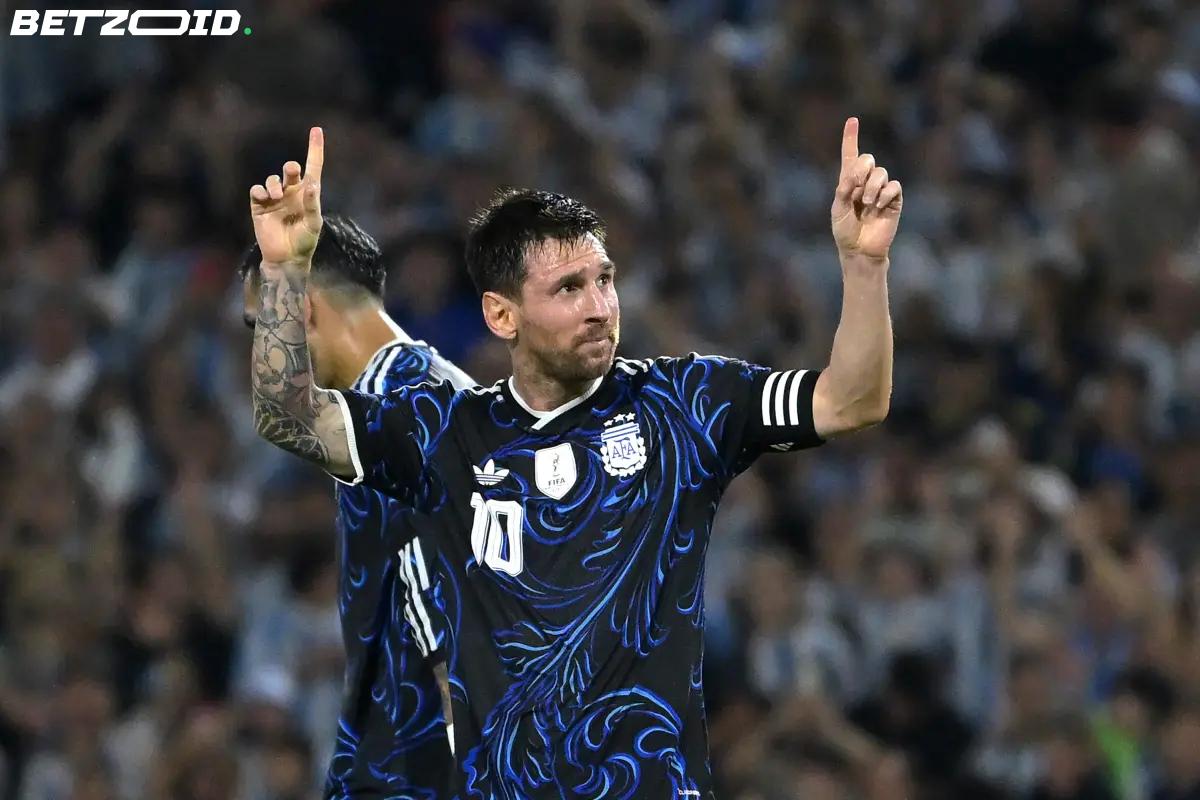
Lionel Messi is being sued in Florida for not playing in two Argentina friendlies he was contractually obligated to appear in — and the company filing the lawsuit says it's out $7 million.
VID, a Miami-based sports and music events promoter, filed suit Tuesday against both Messi and the Argentine Football Association, alleging fraud and breach of contract. According to the filing, VID paid the AFA $7 million for exclusive rights to two October friendlies against Venezuela and Puerto Rico, with a contractual guarantee that Messi would play at least 30 minutes in each match, barring injury.
He played zero minutes in either one.
What actually happened
For the October 11 game at Hard Rock Stadium in Miami, Messi was present — watching from a suite — but chose not to play in order to stay fresh for Inter Miami's MLS regular season finale the following night. That's a choice any club manager might respect. A promoter who paid $7 million for his legs on the pitch? Rather less so.
The Puerto Rico friendly created its own chaos. Originally scheduled for Chicago's Soldier Field, the match was relocated to Inter Miami's former home in Fort Lauderdale. VID claims the venue change cost them over $1 million. There are competing explanations for why it moved — initial reports cited social protests over Trump's National Guard deployment to Chicago, while Chicago Park District spokesman Luca Serra told the Associated Press it came down to low ticket sales, a decision made by the promoter itself.
VID also alleges the AFA promised to make things right with a future fixture against China in 2026. That match never happened.
This isn't the first time
It's becoming a pattern. Last month, MLS and the Vancouver Whitecaps settled a class action lawsuit after fans claimed they were misled into buying tickets for a May 2024 match on the promise that Messi and other Inter Miami stars would be playing. They weren't.
Two lawsuits in quick succession over Messi's appearances — or lack thereof — raises a genuine question about how these promotional contracts are structured and enforced. If a $7 million deal with explicit playing-time clauses still couldn't get Messi on the pitch, the legal and commercial framework around his appearances clearly needs work. Anyone pricing Argentina's friendly schedule into future betting markets should factor in that his participation is, evidently, not guaranteed even when it's in writing.
The AFA and Messi's representatives have not publicly responded to the lawsuit.