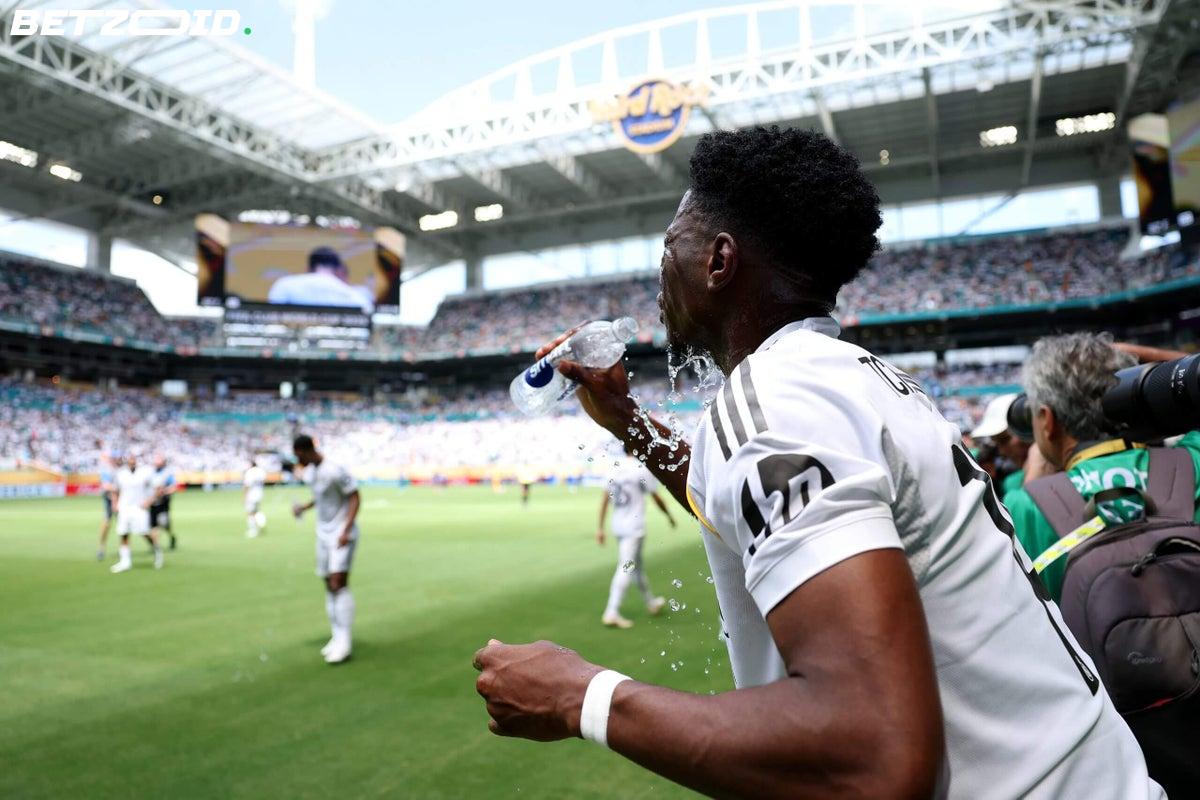
Get ready for something totally new at the 2026 World Cup. FIFA is introducing three-minute "hydration breaks" in the middle of each half. And yes, broadcasters can cut away to show commercials during these stoppages.
FIFA announced the breaks back in December, calling them a "player welfare" measure. But here's the kicker - these breaks will happen in every single match, regardless of weather or temperature. The referee decides when to call them.
So what does this mean for you watching at home? Well, it depends on your broadcaster. They'll have about two minutes and ten seconds to show ads, though they're not forced to use all that time.
How the Commercial Breaks Will Work
The rules are pretty specific. Broadcasters can't start showing ads until 20 seconds after the referee's whistle. And they must return to the match feed at least 30 seconds before play resumes.
But broadcasters have options beyond just cutting to full commercials. They could switch to studio analysts breaking down the first half. They could keep the match feed on screen and show ads on part of the screen. Or they could skip ads entirely and show what's happening on the pitch.
There's an interesting wrinkle though. If broadcasters don't fully cut away from the game, they can only sell ad space to FIFA sponsors. Think Coca-Cola, not Pepsi. This protects companies paying FIFA hundreds of millions for World Cup sponsorship rights.
But if they do cut away completely? They can sell those ad spots to anyone they want. That could mean serious money for networks like Fox and Telemundo in the United States.
What This Means for Soccer Fans
This is genuinely unprecedented territory for soccer. The sport has always flowed continuously, unlike American football or basketball with their natural breaks. That's part of what makes it special.
Some broadcasters seem reluctant to embrace full commercial breaks. Joaquin Duro from Telemundo told reporters he's "a soccer fan first" and wants to capture what happens during these breaks. Coaches talking to players, tactical adjustments being made - that's all potentially great content.
Telemundo plans to keep at least part of the match feed visible with overlay ads rather than cutting away entirely. "There's a lot of good content that comes out from those hydration breaks," Duro explained.
He also wasn't shy about his concerns: "For the first time, in a way, soccer will become almost like a four-quarter football or basketball game. For soccer? I don't know. Soccer is different."
CONMEBOL, South America's soccer governing body, already introduced 90-second hydration breaks to competitions like Copa Libertadores. But they don't allow broadcasters to cut to ads. Instead, cameras capture coaching instructions and player interactions.
From a betting perspective, these breaks could actually matter. Coaches get a chance to adjust tactics mid-half, potentially shifting momentum. Sharp bettors might find value in live betting markets if they can read how these coaching interventions impact the game flow. The breaks also guarantee slightly longer matches when you factor in stoppage time, which could affect over/under prop bets on match duration.
The 2026 World Cup will be the biggest tournament ever, hosted across the United States, Canada, and Mexico. Now it'll also be the most commercialized World Cup in history. Whether that's progress or a step too far depends on who you ask.