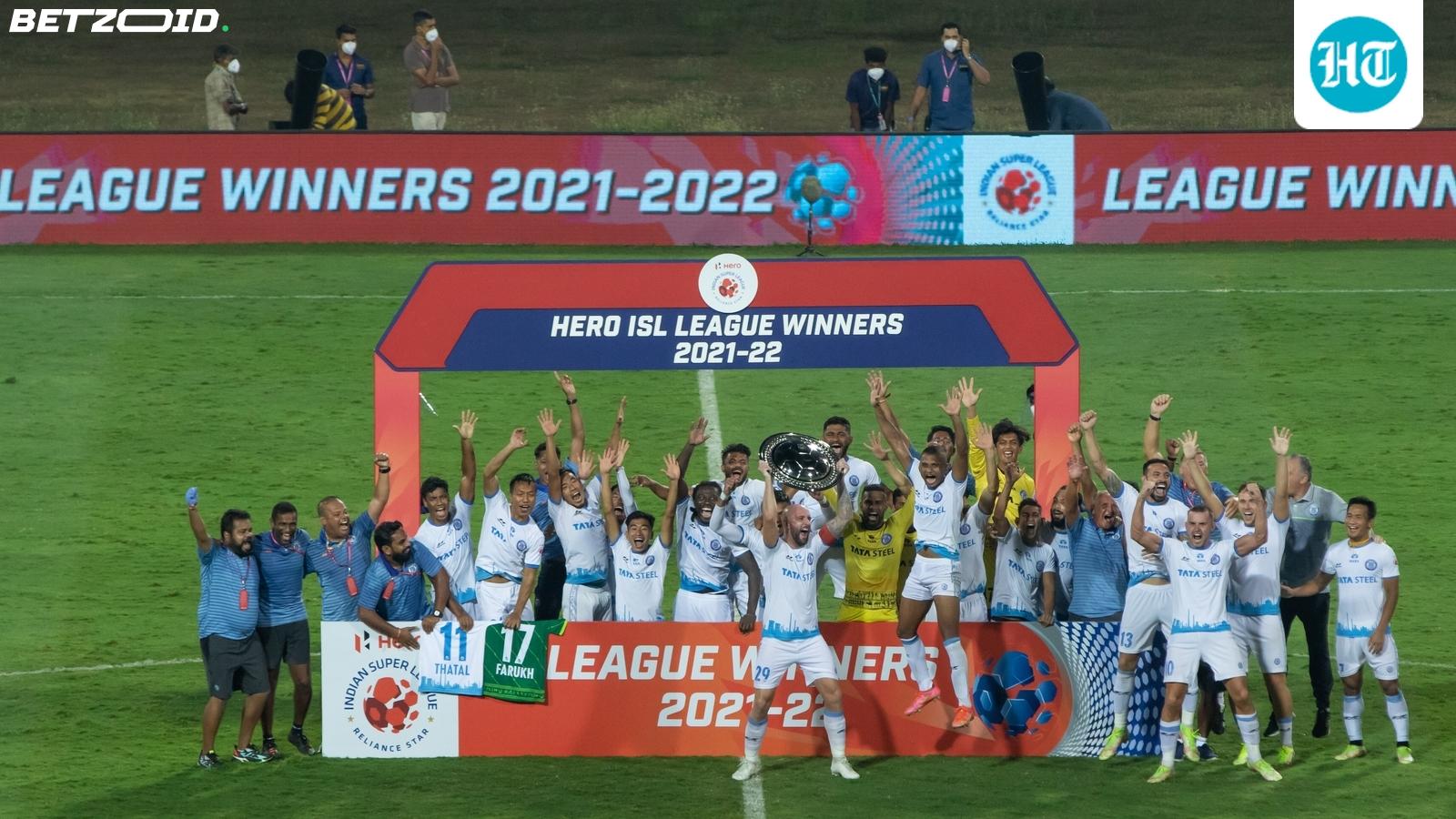
"The business model of JFC's participation in ISL, in the form as it stands, is structurally financially unviable for the foreseeable future." That's club CEO Mukul Choudhari writing to AIFF on July 31. Not a rebrand. Not a pivot. A Tata-backed operation saying it cannot make the numbers work.
Which makes it curious that Sundara Ramam, speaking to PTI, described the decision as "strategic" rather than "financial." One of those statements is clearly doing more work than the other.
The model hasn't changed — and that's the point
Clubs in India were losing money before Jamshedpur FC joined ISL in 2017-18. They're still losing money now. The league has handed clubs a bigger role in marketing and securing broadcasters, but the underlying economics haven't shifted. Jamshedpur FC didn't exit because something went wrong. They exited because nothing went right — and nothing changed.
Pre-tax losses in the Premier League surged 600% between 2023-24 and 2024-25, so bleeding money in football is hardly unique to India. The difference is that Premier League clubs have broadcast deals, global commercial revenue, and matchday income to offset it. ISL clubs are leaning almost entirely on shareholders to cover operating costs. When those shareholders walk, there's nothing underneath.
The reaction has been loud. Sunil Chhetri called it a punch in the gut. AIFF president Chaubey publicly appealed for Tata to reconsider. Fans protested in Jamshedpur. An online petition circulated.
That petition had gathered fewer than 5,000 signatures for a city of nearly two million people by Thursday evening. It's a number worth sitting with. Dempo, Salgaocar, JCT, Mahindra United — clubs that won actual trophies — disbanded without so much as a murmur from supporters. Jamshedpur FC generated more grief than all of them combined, and still couldn't fill a petition. That gap between noise and numbers explains exactly why successful clubs in India can absorb the backlash and walk away.
What a turnaround actually requires
The comparisons aren't flattering for Indian football's decision-makers. MLS kept Miami Fusion and Tampa Bay Mutiny alive until it couldn't, then contracted to 10 clubs owned by three groups while the sport fought for relevance. The turnaround took years and sustained investment. Australia needed a $15m government soft loan and a full structural overhaul just to reach regular World Cup qualification from 2006 onward.
India's Union government spent ₹37.98 crore on football across five years. This year's allocation: ₹8 crore. That's the context in which ISL clubs are supposed to build financially sustainable operations.
Mohun Bagan, East Bengal, and Mohammedan Sporting have survived decades of financial distress because their supporters make disbandment politically impossible. When Sultan Ahmed floated the idea of winding up Mohammedan Sporting's football team, the backlash buried it before it started. That's what a real supporter base buys a club — not revenue, but survival instinct from outside the boardroom.
Jamshedpur FC built something real in seven years. Real enough to generate protests. Not real enough to save itself. That distinction is Indian football's actual problem — and Tata's exit just put a number on it.