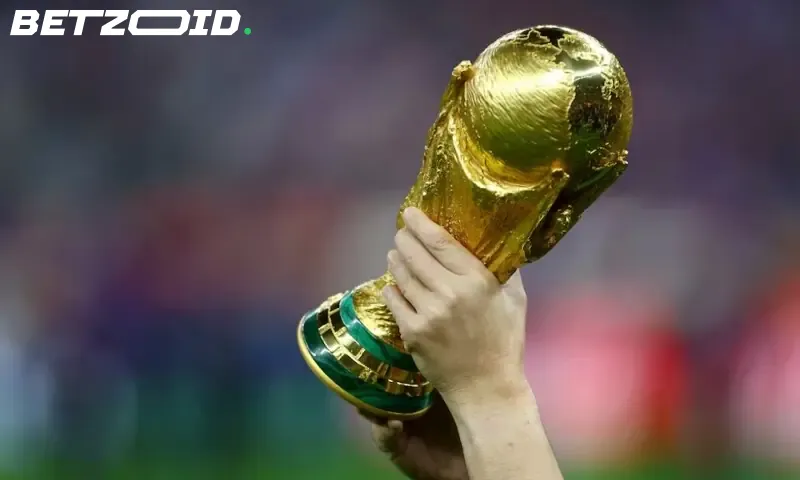
FIFA wants to make the 2030 World Cup even bigger. According to a document obtained by Reuters, the governing body is commissioning an independent agency to study whether expanding the tournament from 48 to 64 teams is viable — with a final recommendation due by September 11.
That's a tight four-week window to answer one of the most consequential questions in football governance. The decision to select the agency comes first, on August 14, and then the clock starts ticking.
From 32 to 48 to... 64?
The 2026 World Cup in the US, Canada and Mexico was already the first expansion since 1998 — stretching the tournament to 104 matches across five weeks. Adding another 16 nations in 2030 would push it further into territory that makes a lot of people uncomfortable.
UEFA President Aleksander Ceferin said last year it was a bad idea. The Asian Football Confederation's Sheikh Salman bin Ibrahim Al Khalifa echoed that sentiment, questioning where the expansion ends. Neither body has changed its position.
The push is coming from CONMEBOL, which officially proposed a 64-team format tied to the centennial celebrations. The 2030 edition is already a patchwork tournament — Morocco, Portugal and Spain co-hosting the bulk of matches, while Argentina, Paraguay and Uruguay each stage one game to mark football's 100th anniversary. Symbolically, it makes sense. Logistically, adding another 16 nations to that structure is a serious ask.
What FIFA's study will actually look at
The research brief is candid about the risks. FIFA's own language flags competition dilution, calendar congestion, operational complexity and market saturation as concerns that need to be weighed against the potential benefits. The study will also model revenue projections across ticket sales, sponsorship and media rights under the expanded format.
That last point matters most for where this is likely heading. A 64-team tournament means more games, more broadcast inventory, more commercial slots. The financial upside is real — the question is whether the football product holds up well enough to sustain it.
- 64 teams would mean a further 50% increase on the 2022 Qatar format
- The 2026 edition already runs 104 matches over five-plus weeks
- Opposition from UEFA and AFC represents the two largest confederation blocs outside of CONMEBOL
For betting markets, a bloated group stage with more mismatches baked in tends to suppress early-round odds variance — the upsets become rarer because the gaps in quality widen. That's not an argument against expansion, but it's a real competitive consequence worth pricing in.
The document's own summary line is telling: the final recommendation must show not just whether a 64-team tournament generates incremental value, "but whether that value is sustainable." FIFA is asking the right question. Whether it's prepared to act on the answer is a different matter entirely.