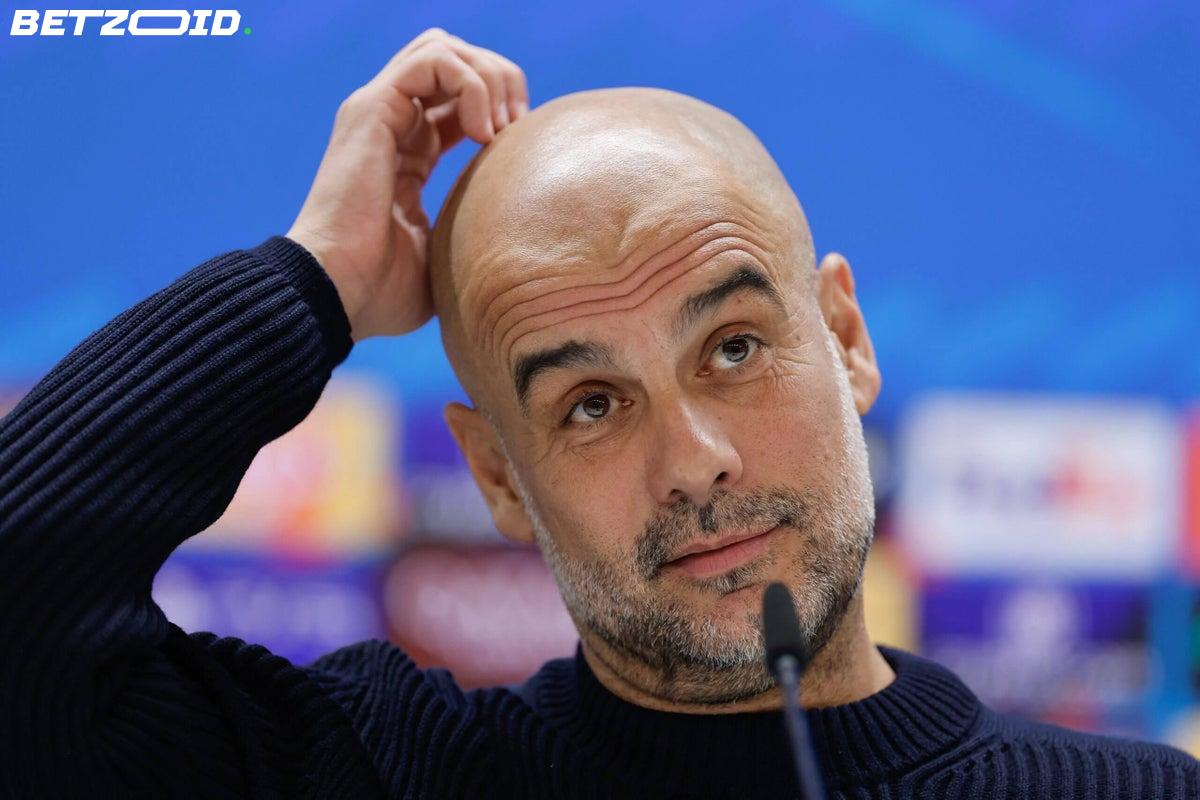
Pep Guardiola is leaving Manchester City after 10 years. A decade. Sixteen trophies. One of the most dominant managerial runs any club has ever seen. And now the question the entire football world is asking: what does he actually do next?
The options are genuinely wide open. Unlike most managers leaving a job, Guardiola isn't hunting for work — he's choosing a next chapter. That's a very different position to be in.
The realistic paths
A second sabbatical feels almost certain first. His year in New York in 2012 — chess grandmasters, gallery visits, zero press conferences — recharged him before his transformative run at Bayern and then City. After 13 consecutive years managing at the absolute top level, another reset makes sense before anything else.
After that, the debate really starts.
England is the most discussed option in serious football circles. Guardiola's affection for English football is genuine and well-documented, and the national team job carries the kind of challenge that might actually hold his attention — ending a wait that stretches back to 1966 would be a legacy moment even he hasn't managed yet. The downside is obvious: international management means 23 months of watching, waiting, and working with players you see six times a year. For someone whose success is built on daily tactical obsession, that's a real problem, not a minor adjustment.
Barcelona will always be floated. It's his club, spiritually and practically — the place where his ideas about football were formed. There's no vacancy right now with Hansi Flick having just extended his contract, and his relationship with president Joan Laporta is complicated. But Jose Mourinho is returning to Real Madrid, which proves that football's most unlikely reunions do eventually happen.
Ajax is the most intellectually interesting proposition. The club that gave birth to Total Football, currently stuck in a rut of institutional dysfunction and identity crisis, with a creaking academy system that once powered Dutch football. Guardiola's philosophical roots run directly through Johan Cruyff back to Amsterdam. Rebuilding Ajax into genuine Champions League contenders using academy talent would be the kind of project that's equal parts Football Manager fantasy and plausible real-world ambition.
The MLS angle and the long shots
America keeps coming up. He lived in New York, he understands the culture, and there are two obvious entry points — coaching Inter Miami for one final Messi season, or taking a Klopp-esque role at New York City FC within the City Football Group structure he already knows intimately. The 2026 World Cup on home soil also means the USMNT job will carry more weight than usual once that tournament ends.
The honest assessment? MLS probably isn't enough for him. Guardiola runs on pressure. Low-stakes environments don't bring out his best — they remove the thing that makes him exceptional in the first place.
The mid-table European club idea — a Fiorentina, a Udinese, proving he can build something without a limitless squad — is more compelling as a thought experiment than a real possibility. No serious coach takes a step like that just to satisfy outside curiosity. But the underlying question it raises is fair: can he make average players good, rather than just making good players great?
Italy has its big clubs — both Milan sides, Napoli, Juventus — who would hand him a competitive squad and a serious league. PSG would offer the blank-cheque superclub model he's already lived at City. Neither feels like a reinvention.
- England national team: High-profile, legacy-defining, but operationally frustrating for a coach who needs daily work
- Barcelona return: Emotionally compelling, practically complicated by Flick's contract and Laporta
- Ajax: The philosophical dream project — Total Football roots, European rebuild, long-shot but fascinating
- MLS/USMNT: The lifestyle fits, the competitive level probably doesn't
- Another sabbatical: Almost certain to come first, whatever follows
Guardiola will be one of the most watched free agents in the history of the sport. His next move — whether it's a press conference or a quiet year in a New York café — will shift markets, fuel transfer speculation, and reshape at least one club's trajectory entirely. The only thing guaranteed is that wherever he lands, football will be watching.