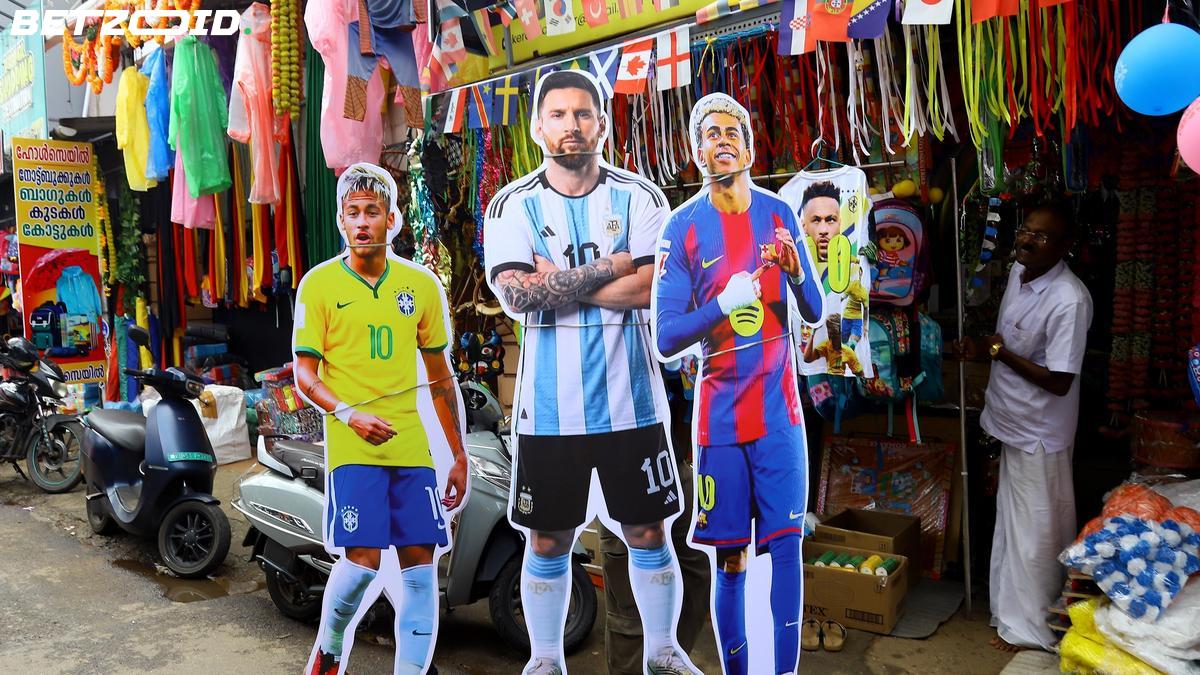
Cricket still owns India, but football is firmly in second place — and with the 2026 World Cup on the horizon, that gap could be about to shrink further.
That's the headline finding from Nielsen's latest research into football's global growth, which surveyed audiences across seven Asian nations ahead of FIFA's marquee tournament. The results are a genuine signal for broadcasters, sponsors, and anyone pricing up long-term football markets in the region.
Asia's football map is more complex than you'd think
The data splits Asia cleanly. South Korea, Thailand, Singapore, and Indonesia all rank football as the number one sport among adults. Japan is the outlier — baseball holds the top spot there, with football behind it. India mirrors Japan's structure but with cricket as the dominant force.
Second place in India is still a serious position. It's a country of 1.4 billion people, and a sport sitting that high in the pecking order represents an audience that clubs, leagues, and commercial partners have barely scratched the surface of.
Nielsen also looked well beyond Asia. The research highlights the depth of football's appeal among Black Caribbean audiences — 52 per cent more likely to be interested in the sport than the general adult population. Middle Eastern and Black audiences came in at 40 per cent above the overall average. These aren't marginal numbers. They point to communities where football isn't just popular, it's embedded.
What this means for the 2026 World Cup
The tournament is being held across the United States, Canada, and Mexico, and Nielsen specifically called out the growing Hispanic fanbase in the US as a major growth driver. That's a strategic read — not just demographic data. Rights holders, betting operators, and streaming platforms all have reason to pay close attention to where passion is concentrated.
India's football audience is still developing, still largely watching rather than betting or subscribing at scale. But the direction of travel is clear. Second place is where movements start.