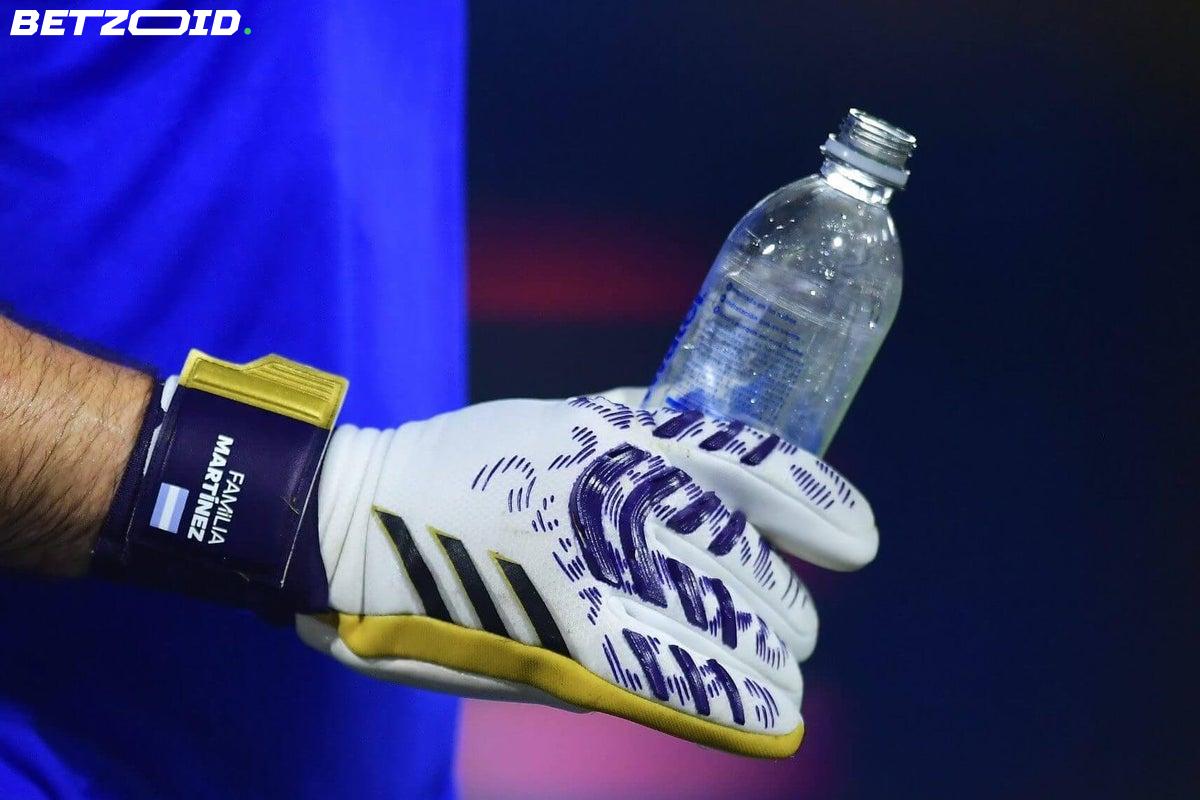
Toronto's mayor called it a "pure money grab." The UK prime minister said it was "just wrong." And after two humiliating U-turns, FIFA quietly caved — fans will be allowed to bring water bottles to World Cup 2026 matches. Most of them, anyway.
The final ruling: one soft, factory-sealed, 20oz (590ml) plastic bottle per person is permitted at games in the United States and Canada. Whether that applies to Mexico City, Monterrey and Guadalajara remains unclear — FIFA's COO Heimo Schirgi simply didn't mention Mexico in his announcement, and as of writing, FIFA hasn't clarified.
How FIFA managed to make water controversial
The original guidance was reasonable enough. Fans could bring an empty, transparent plastic bottle of up to one liter, then refill it at drinking fountains inside the venue. Standard stuff. Then, on June 2, that guidance was quietly scrubbed and replaced with this gem: "For the avoidance of doubt, reusable water bottles may not be brought into the stadium."
A FIFA source told The Athletic the reversal was driven by commercial considerations. Make of that what you will, given that bottled water at most World Cup venues is expected to run between $6 and $9. Atlanta is the exception — prices there may start as low as $2.
The backlash was swift and came from places FIFA clearly wasn't expecting. NYC Mayor Zohran Mamdani said he was "concerned." Football Supporters Europe's Ronan Evain put it bluntly: "They are saying water is essential to the players' safety. But for the fans, they are saying water is not essential; it is a commodity." Then Keir Starmer piled on from Downing Street, and the reversal arrived shortly after.
Why this actually matters beyond the optics
This isn't just bad PR management — the health stakes are real. World Weather Attribution scientists estimate 26 of the 104 World Cup games will be played when the host city's Wet Bulb Global Temperature exceeds 26°C, with five games likely exceeding 28°C. That index accounts for humidity, wind, and sunlight — the kind of conditions that turn a long queue outside a stadium into a medical situation.
We already saw what happens when you get this wrong. At the 2024 Copa America final at Miami's Hard Rock Stadium — a World Cup venue — fans who'd queued in the heat were struggling so badly they were seeking water from the fire department.
Dehydration at just two percent of body weight measurably impairs physical performance. At five percent, work capacity drops by around 30 percent. For fans sitting in open stands through a sweltering July afternoon in Kansas City or Dallas, that's not abstract — that's people passing out.
- Prohibited items include umbrellas, motorcycle helmets, sharp objects, and firearms
- Selfie sticks, tripods, and video cameras are banned
- Vuvuzelas, air horns, and whistles are not permitted
- Large fan displays (tifos) must be coordinated with FIFA in advance
- Banners with discriminatory messages will not be allowed
Fans arriving at these stadiums will have already paid eye-watering prices for tickets, transport, and accommodation. The idea of then being charged up to $9 for a bottle of water — in conditions that could genuinely endanger health — was never going to land well. FIFA figured that out, eventually. Three communications and one international pile-on later, but they got there.