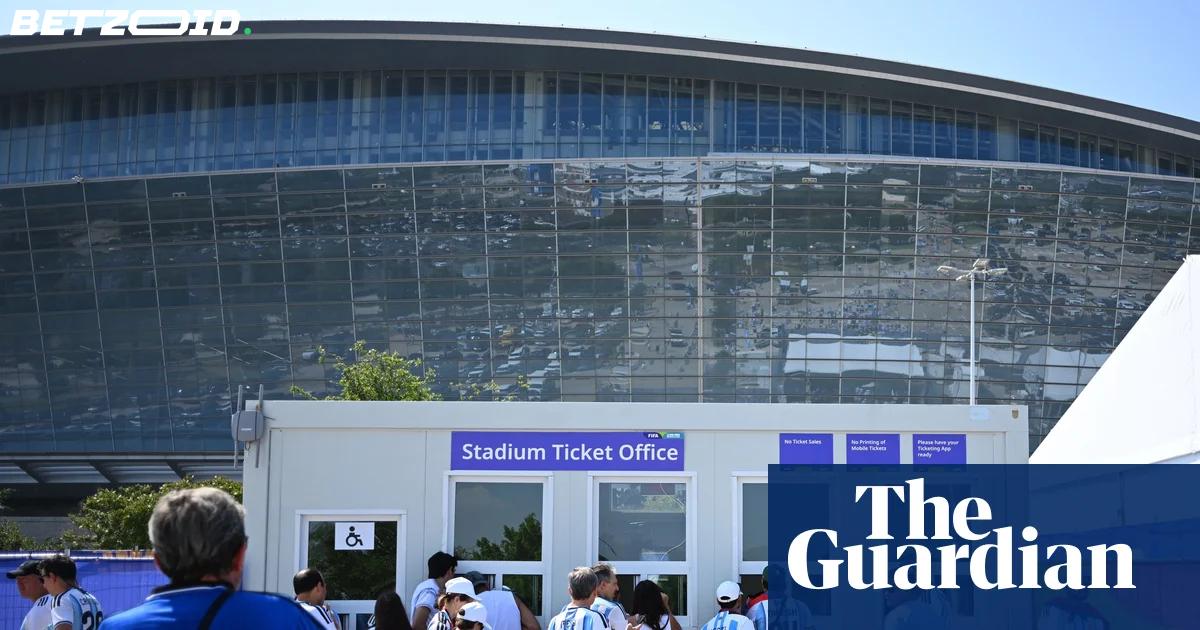
FIFA's leadership pushed through dynamic pricing at the 2026 World Cup over the objections of its own US-based staff. That's not spin — that's what multiple sources involved in delivering the tournament told The Guardian, and it reframes the entire ticketing controversy.
Staff in FIFA's Miami office had initially backed a different approach: more affordable pricing in general admission areas, the kind of strategy that actually fills grounds with fans rather than corporate cardholders. FIFA's leadership overruled them. The reasoning, according to sources, was that the 2026 tournament was a once-in-a-generation chance to extract maximum revenue from the American market — and they weren't going to leave money on the table.
The numbers behind the decision
Group stage tickets range from $60 to $2,735. The final runs from $2,020 to $7,875. On the secondary market — which is entirely legal in the US — seats for the final have been listed at $28,500. For context, Qatar 2022 tickets topped out at $1,607. FIFA hasn't just raised prices. It has restructured what a World Cup ticket even means.
And yet: 99.54% occupancy across the first 36 games. The seats are full. That's the number FIFA will point to, and they're not wrong to. The market absorbed it.
Gianni Infantino offered his own logic pre-tournament: sell cheap, and the secondary market eats the difference. "Where would the money go then? Well, to those who organise secondary markets or black market activities and not to football." It's a defensible argument — but it also happens to be an extremely convenient one when the alternative is charging less.
What the bid book actually said
Here's where it gets awkward for FIFA. The 2018 bid submission from the US, Canada, and Mexico explicitly stated they had not factored in dynamic pricing — and noted they had been instructed by FIFA itself not to apply premiums on high-quality seats. That instruction clearly didn't survive contact with an $11 billion revenue projection.
Infantino also claimed the average ticket price came in below $500, comparable to US playoff sports. That's technically true — if you fold secondary market prices into the comparison. On face value, primary market pricing, NFL wildcard games averaged $230 last season. MLB's World Series ran $350–$400. FIFA's "comparable" claim doesn't hold up on a straight read.
FIFA's official line: "No alternative plans were ever presented, so there is no substance to these claims." The sources who spoke to The Guardian say otherwise. Someone is not telling the truth — and it's probably not the people who no longer work there.