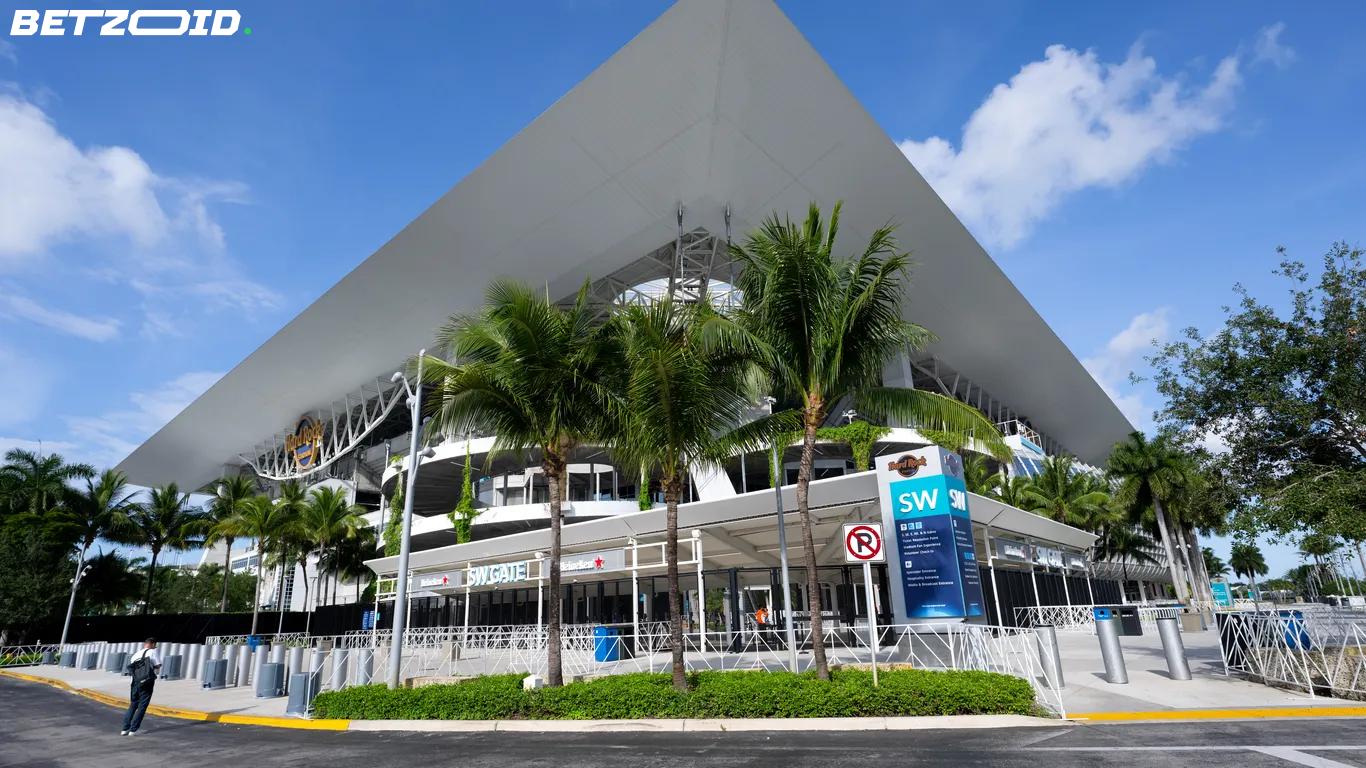
FIFA wants $250 for you to park your car. Not a seat. Not a jersey. A parking space.
Single-day parking passes for World Cup matches at Hard Rock Stadium in Miami will run between $175 and $250, and they must be bought in advance — there's no showing up on the day and finding a spot. One ticket, one pass. That's the deal.
FIFA's justification doesn't quite land
The governing body says the pricing is "determined based on local market conditions and benchmarking against comparable major events previously held in each host city." That's a lot of words for "other people charged a lot, so we will too." FIFA also said the revenue will be reinvested in the sport — then declined to explain how or where.
To be fair, the secondary market for parking at the College Football Championship in January hit nearly $400, with some passes touching $700. So in that context, $250 is almost reasonable. Almost.
The criticism across U.S. host cities has been consistent, and Miami is just the latest flashpoint. When you're already spending hundreds — or thousands — on match tickets, adding $250 before you've even found your seat stings.
The shuttle option is genuinely worth considering
Miami-Dade County is offering free shuttles for ticket holders from four locations:
- Dr. Martin Luther King, Jr. Metrorail Station
- Brightline Aventura
- Golden Glades Intermodal Station
- Seminole Hard Rock Hotel
For anyone who lives near a Brightline stop or can get to a Metrorail station, the shuttle route isn't a consolation prize — it's probably the smarter call. South Florida traffic on a World Cup match day will be its own kind of punishment.
FIFA's parking operation will turn a profit. It always does. The question is whether any of that money actually finds its way back to grassroots football, or disappears into the same vague accounting that's followed the organization for decades.