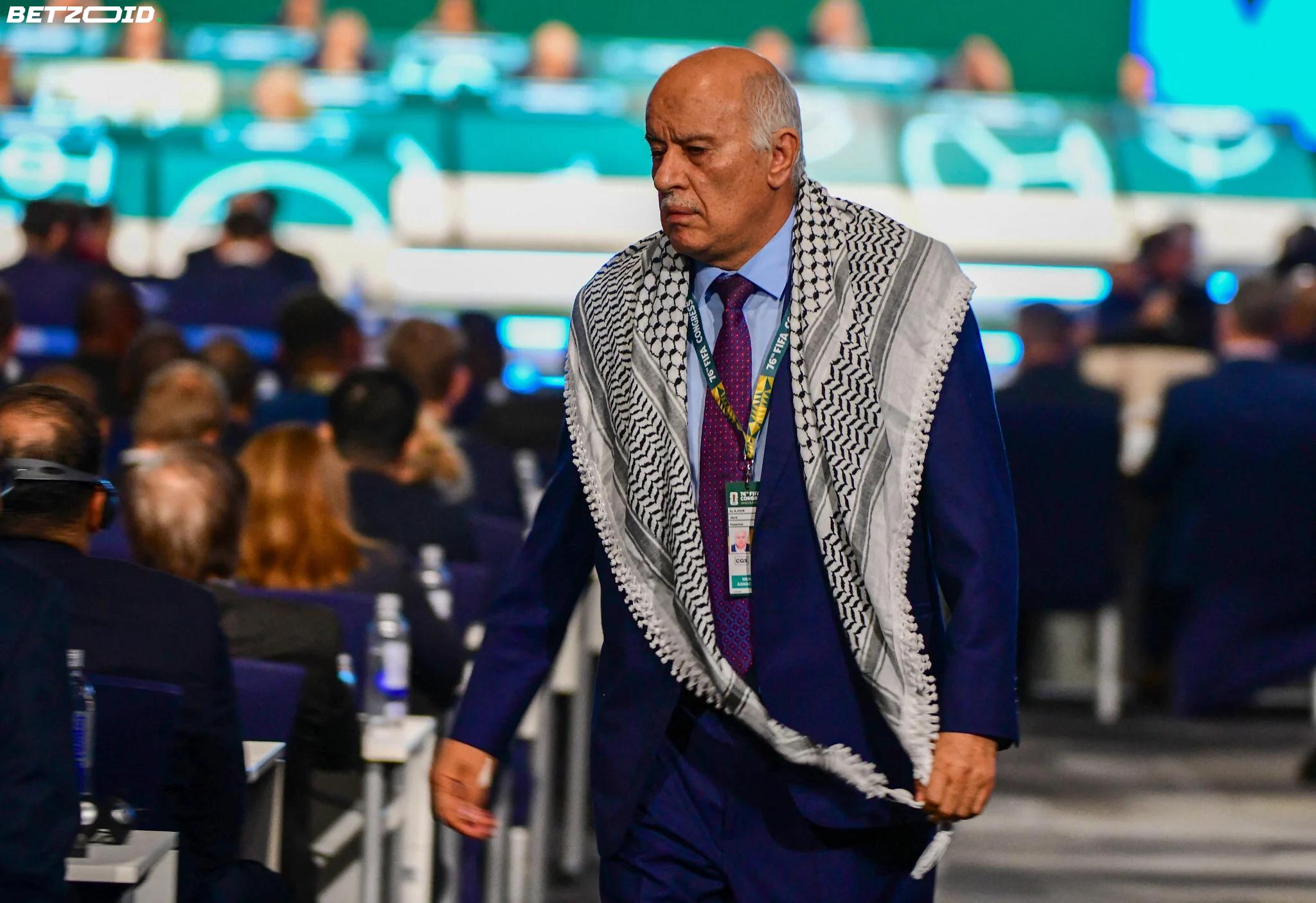
Palestinian football is returning. After nearly three years of silence, the Palestinian Football Association announced the resumption of league activity beginning September 4 — with a tournament that carries more weight than any trophy ever could.
The first competition back has been named the "Thousand Martyrs' Cup," honouring what the association lists as 1,014 Palestinian athletes it says were killed during the war in Gaza. Israel has disputed the framing, stating that many of those counted as athletes were members of terror organisations. The naming of the tournament guarantees this restart will be as politically charged as it is emotionally significant.
A competition spanning three fronts
More than 200 clubs will compete simultaneously across three locations: 146 from the West Bank, 44 from Gaza, and 36 from Palestinian refugee camps in Lebanon. Kicking off all three simultaneously is a deliberate statement — one competition, one national identity, three very different realities on the ground.
That logistical challenge alone is staggering. Running football in Gaza right now, whatever the ceasefire situation, is not a scheduling problem. It's a reconstruction problem. Association president Jibril Rajoub acknowledged the financial strain facing clubs and called on FIFA and other federations to step in with support — and more pointedly, to impose sanctions on Israeli clubs operating in West Bank settlements and to suspend Israel's FIFA membership.
FIFA hasn't moved on either of those demands yet, and there's little sign it's about to. The association has been pushing that case for some time without a decisive response from Zurich.
What this actually means
Strip away the politics for a moment and you're left with something straightforward: players who haven't competed in organised football for nearly three years are about to play again. Clubs that have existed in name only through this entire period have to rebuild rosters, find pitches, and fund operations — in some cases in areas that have been physically destroyed.
Rajoub put it plainly: "The war created difficult conditions for all Palestinians that led to the suspension of our competitions and activities. But we have not lost our Palestinian national will, nor have we lost our belief that sport will remain a symbol of hope and life."
September 4 is the date. Whether the infrastructure, the finances, and the security situation actually hold is the part nobody can guarantee.