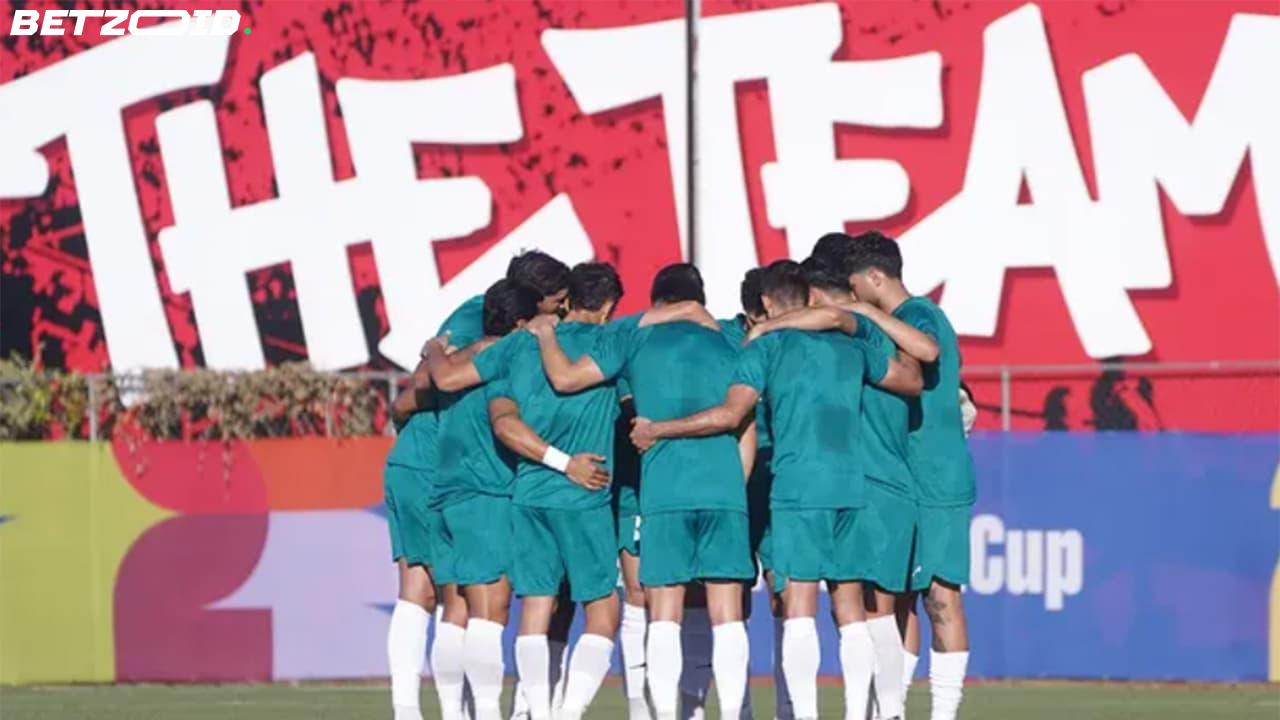
"The most oppressed team in the whole World Cup." That's how Iran's head coach Amir Ghalenoei described his side — and it's hard to argue with the framing. While every other nation at the 2026 World Cup has a base camp inside the United States, Iran is operating out of Tijuana, Mexico, flying in for matches and flying straight back out. The US says the plan is under review. Don't hold your breath.
White House Task Force Executive Director Andrew Giuliani confirmed to Reuters that the current arrangement — Iran allowed into the country only within 24 hours of kick-off, departure immediately after the final whistle — remains in place. After Sunday's Group G clash against Belgium in Los Angeles, Iran will board a 27-minute flight back across the border. That's it. No recovery at a US hotel, no scouting the next venue, no time.
A complaint filed, a shrug received
Iran's football federation lodged a formal complaint with FIFA after US authorities rejected the team's request to travel to Los Angeles two days before the Belgium match. That request was denied. The complaint is now sitting with FIFA, whose ability to override US security and visa decisions is, realistically, close to zero.
Giuliani was careful with his language — "dynamic situation", plans for the Egypt match in Seattle to be discussed "the day after" the Belgium game — but the structure of his answer tells you where this is headed. The restrictions exist because some Iranian delegation officials were denied visas after what Giuliani called "derogatory information" was found on them. Players and coaches were cleared. Certain team officials were not. The US is drawing a distinction there, but Iran is still feeling the operational weight of it.
The base camp shift from Tucson, Arizona, to Tijuana was framed by Giuliani as actually beneficial — shorter flights to Los Angeles than from Tucson, easier logistics. That's a particular spin. Iran didn't choose Tijuana for the flight times.
Where this leaves Group G
Iran sit on one point after a 2-2 draw with New Zealand in the opener. So do Belgium, Egypt, and New Zealand — the whole group is level, with the Kiwis ahead only on goal difference. It's the kind of group where every detail matters: preparation time, sleep quality, training access. Iran are being asked to compete at elite level while navigating restrictions no other team faces.
Whether that disadvantage shows up on the pitch against Belgium remains to be seen — but any punter pricing up Iran's chances of advancing should factor in that they're doing this with one hand behind their back. Ghalenoei can talk tactics all he wants. His squad is spending World Cup nights in Mexico.
Giuliani closed by saying there are currently "no credible threats" to the tournament. Good. But that doesn't seem to be changing what happens to Iran after the final whistle on Sunday.