"They only gave us a 1pc chance, but I always said that 1pc is a lot for us." Fan Renato Ribeiro said it at a Sunday party in Praia, surrounded by the players who had just pushed Lionel Messi's Argentina to extra-time at the World Cup. He wasn't wrong.
Cape Verde — an archipelago off West Africa with a population of around 500,000, the smallest nation ever to reach the World Cup knockout rounds — drew with Spain, beat Uruguay with their first-ever World Cup goal, and only went out 3-2 to the defending champions. That's not a fairytale. That's a football programme that has quietly been doing serious work.
The Academy Pipeline
The Bola Pra Frente Academy in Praia — "Ball Forward" in Portuguese — was founded in 2010 and has already fed players directly into this World Cup squad. Defender Joao Paulo Fernandes and midfielder Kevin Pina, who scored that historic opener against Uruguay, both trained there. Currently 240 players between the ages of four and 17 are on the books.
Head coach Silveria Nedio runs the academy and doubles as the women's national team coach — a workload that tells you everything about the resource constraints the programme operates under. She's not complaining. "Every time a child from Cape Verde leaves for Portugal at 13 or 15 years old, it is an advantage for us," she said. The diaspora pathway isn't a bug, it's a feature. Dublin-born Shamrock Rovers defender Pico Lopes — one of the team's most reliable performers — is the model.
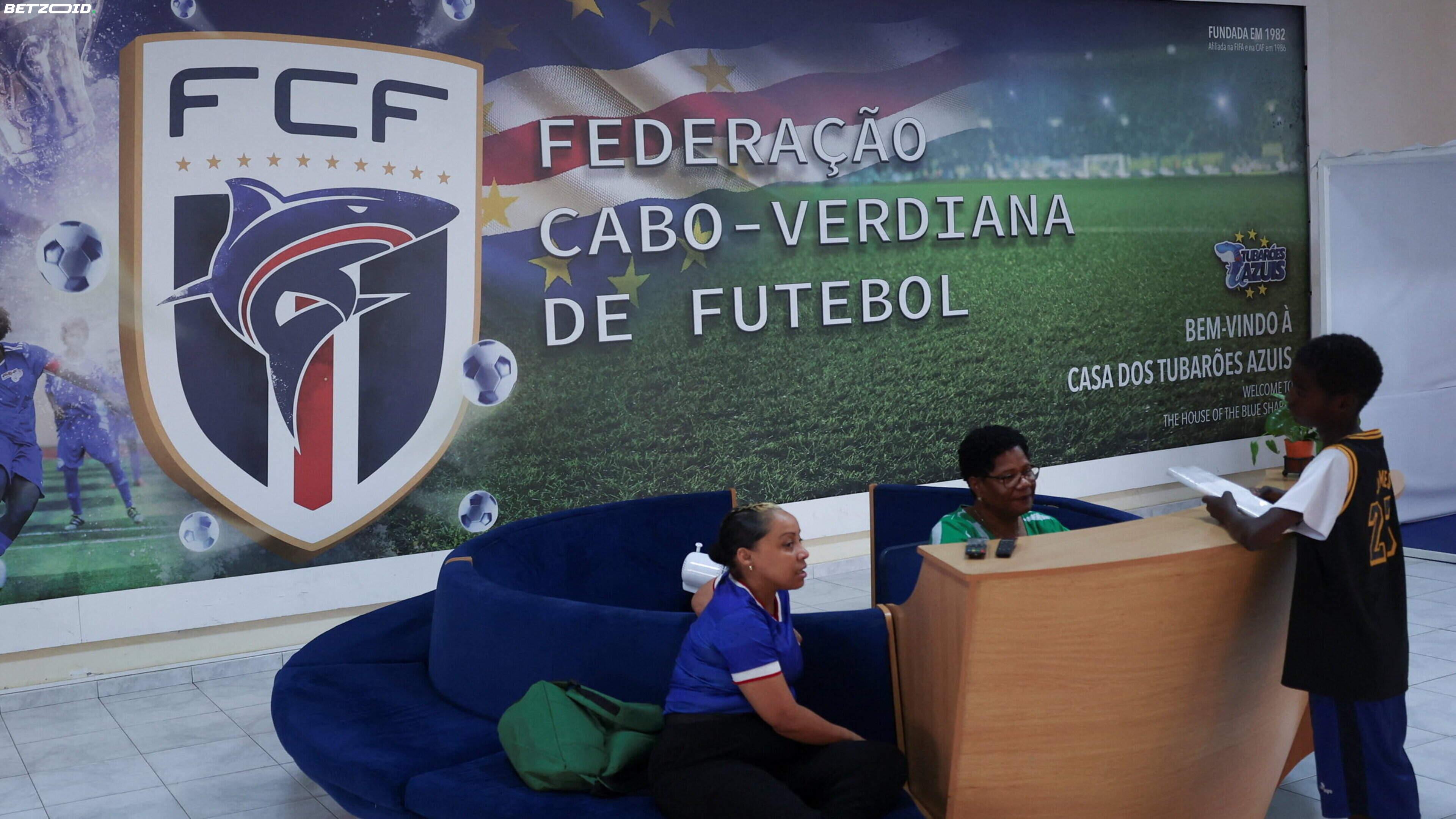
Bola Pra Frente is just one of more than 20 academies in Praia alone, with others spread across all 10 islands. Mario Semedo, president of the national federation, says the investment in infrastructure "played a major part" in reaching this stage. The kids in those academies clearly believe him. Cesar Alexandre Frana, 12, has been training since he was six. "I want to get to the top where football can take me," he said. Marcelo Pereira Valera is nine years old and already three years into his academy career.
Beyond the Men's Game
The women's programme is moving too. Nedio guided the Cape Verde women's team to their first-ever Africa Cup of Nations qualification, with the tournament beginning this month in Morocco. That's not a footnote — it's a second front opening up, and it doubles the pool of players the country can develop at the highest level.
For anyone tracking African football's competitive landscape, Cape Verde's trajectory is worth watching closely. A squad this organised, with a defensive structure that frustrated both Spain and Argentina's attack, doesn't fall back into obscurity. The next World Cup cycle starts now, and the 240 kids at Bola Pra Frente know exactly who they're chasing.
"From this moment onwards, things can change completely — both in football and in the country," Nedio said. The Blue Sharks are already betting on it.