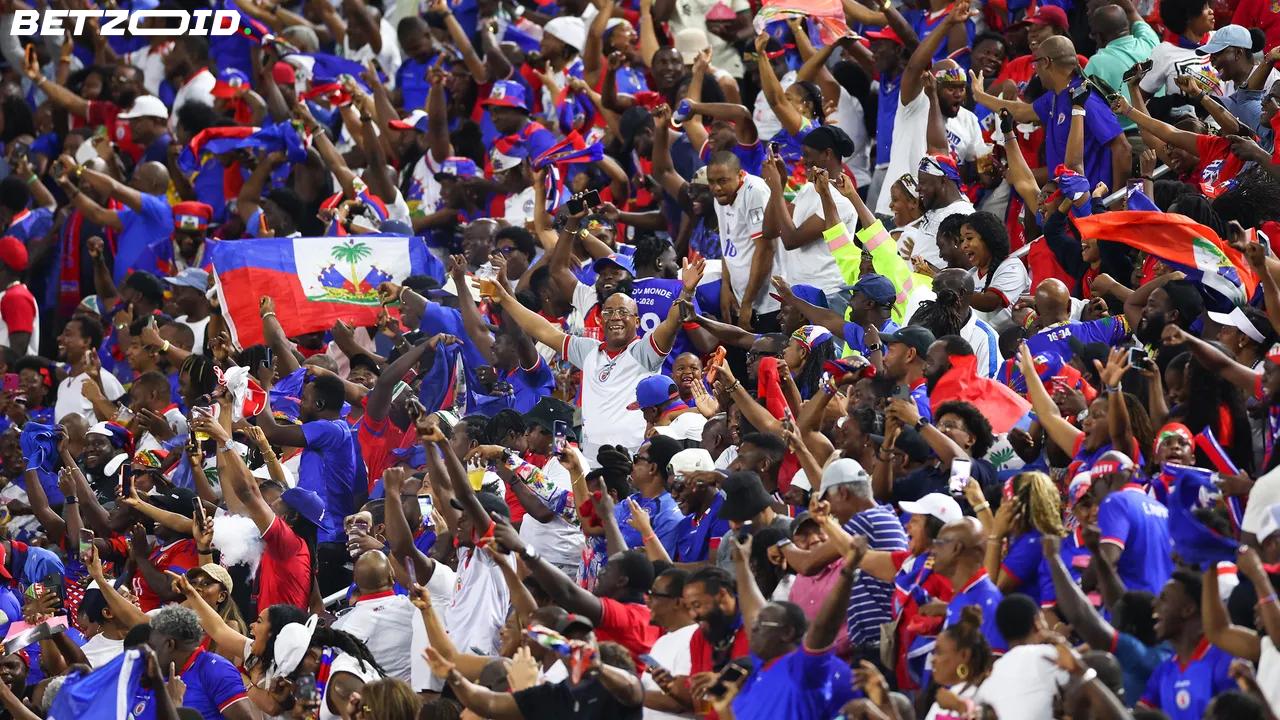
Haiti haven't been to a World Cup since 1974. Fifty-plus years of absence, compounded by political assassination, gang violence, and a national team that can't even play on home soil. And now they're in.
Les Grenadiers sealed their qualification in November when Louicius Deedson cut through Nicaragua's defence and buried the winner. That single goal ended half a century of waiting. Since then, something has shifted — not just in football circles, but across the entire Haitian diaspora.
A team without a home, still finding a way through
The context here matters. Since the assassination of President Jovenel Moïse in 2021, Haiti have been unable to play matches on Haitian soil. Their training base is Curaçao. Their French coach, Sébastian Migné — appointed by the Haitian Football Federation in 2024 — manages significant chunks of his squad over the phone. These are not ideal preparation conditions for a World Cup.
And yet they qualified.
That's not a romantic footnote. It's operationally remarkable, and it's the kind of detail that should recalibrate how seriously anyone takes them heading into the group stage. A team this accustomed to dysfunction and distance, that still finds a way to win qualifying matches, has a psychological resilience that won't show up in any pre-tournament odds.
Their opener comes against Scotland at Gillette Stadium in Foxborough, Massachusetts — New England Patriots territory, essentially a home game given the size of the Haitian-American community in the northeast. Musician Michaël Brun is staging his Haitian concert series Bayo in Boston the night before. The atmosphere around that match will be unlike anything Scotland's players are used to walking into.
What this means for the diaspora — and for the betting picture
NPR South Florida reporter Wilkline Brutus framed it plainly: Haitians across industries are describing "an undeniable renaissance, gaining the kind of humanization and mainstream visibility that wasn't always afforded to them." That's the backdrop against which every Les Grenadiers result will be read this summer.
A Catholic church in Port-au-Prince, Pitit Manman Mari, ran seven days of YouTube and radio broadcasts specifically dedicated to fortifying the team ahead of the tournament. The Reverend Frantzy Petit-Homme asked his congregation's God to give the players "the capacity to read the game before it develops." Whether you find that moving or eccentric, it tells you something about the weight this team is carrying — and the depth of support behind them.
- Haiti's first World Cup appearance since 1974
- Coach Sébastian Migné managing remotely due to the security situation in Haiti
- Home games played in Curaçao; opener vs Scotland at Gillette Stadium, Massachusetts
- Louicius Deedson's November winner against Nicaragua clinched qualification
For the group stage, Haiti's odds reflect their underdog status — and fairly so. Their squad depth, coaching logistics, and lack of competitive international fixtures on home soil are all genuine handicaps. But a partisan crowd of tens of thousands of diaspora supporters in New England, against a Scotland side that historically struggles when the occasion gets heavy? That first game is live.
The Reverend asked for the capacity to read the game before it develops. Against Scotland, in that stadium, Haiti might not need divine intervention. They just need to believe they belong there. Right now, everything around this team suggests they do.