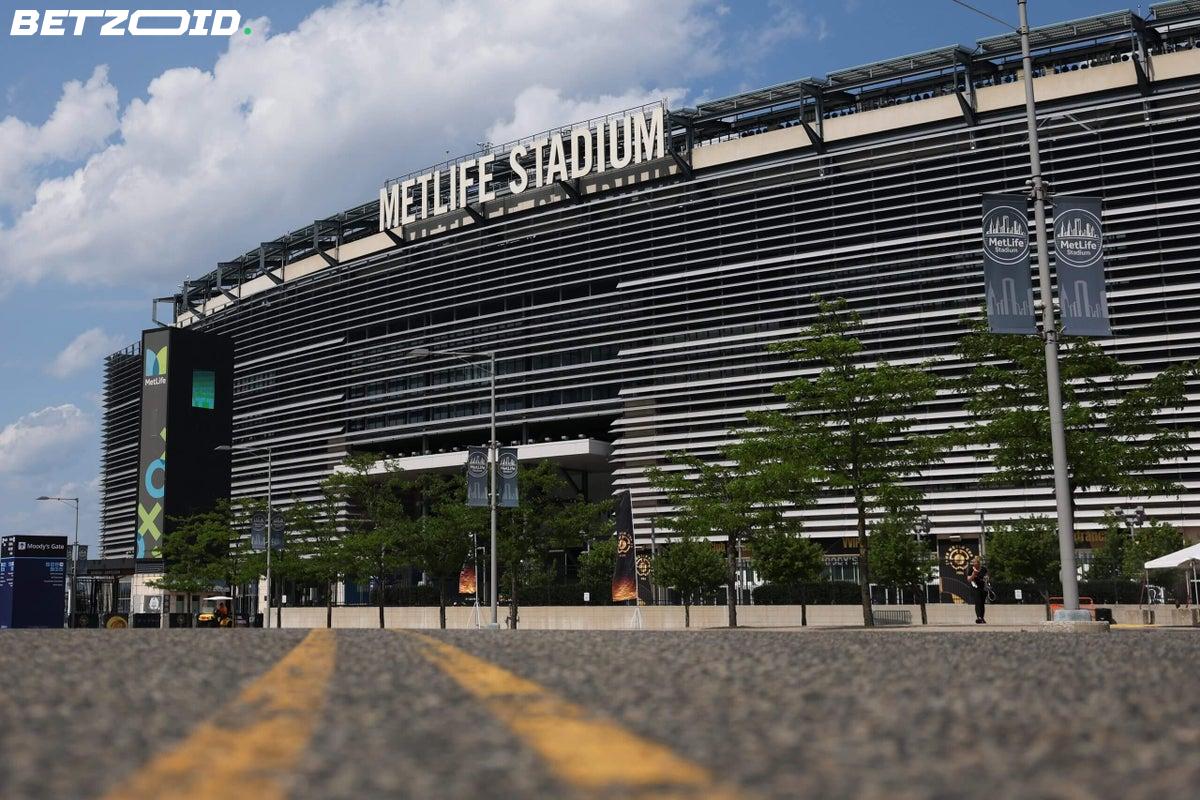
A return train ticket from New York Penn Station to MetLife Stadium normally costs $12.90. For the World Cup this summer, NJ Transit is currently modelling a price north of $100. That's not a rounding error — it's a seven-fold increase on an 18-mile journey.
Sources familiar with the plans, who asked to remain anonymous, confirmed the pricing structure is not yet finalised but is expected to be locked in within days. The World Cup host committee for New York/New Jersey declined to comment. NJ Transit called any specific figures "unconfirmed speculation" — while simultaneously confirming the direction of travel.
Where the money is going
NJ Transit estimates it will cost as much as $48 million to operate services across the eight matches at MetLife, factoring in FIFA's security requirements — the highest-level perimeter of any event ever hosted in New Jersey. Someone has to pay for that. And Governor Mikie Sherrill has been clear it won't be New Jersey's regular commuters or taxpayers.
"We are not going to be paying for moving the people who are viewing the World Cup on the back of New Jersey taxpayers," she said Monday. That leaves World Cup attendees absorbing costs that FIFA itself has no obligation to cover under its hosting agreements — FIFA banks ticket revenue, broadcast rights, sponsorship, and concessions. The cities get the security bill.
Infantino has projected around $11 billion in revenue for FIFA from this tournament. NJ Transit is trying to avoid a $48 million loss. The math is not complicated, but the optics are grim.
A pattern forming across U.S. host cities
New Jersey isn't alone. Boston's MBTA confirmed $80 return fares to Gillette Stadium — up from $20 for an NFL game. An alternative bus service in Boston will run $95 per seat. Across the board, U.S. host cities are treating transportation as a cost-recovery mechanism, and fans are the ones getting squeezed at every turn.
Compare that to Qatar 2022, where official ticket holders rode Doha's metro for free throughout the tournament. Or Euro 2024 in Germany, where match tickets included free public transport on game day. The contrast isn't subtle.
The World Cup pricing will also eliminate concessionary fares entirely. Seniors, children, and disabled passengers — all of whom ordinarily pay reduced rates — will pay the same blanket price as everyone else. NJ Transit has not responded to questions about whether any reduced-rate options will exist.
- Normal return fare: $12.90
- Planned World Cup fare: over $100
- Total NJ Transit cost for 8 matches: up to $48 million
- FIFA projected World Cup revenue: ~$11 billion
For anyone pricing up a trip to a World Cup match at MetLife, the train is not the cheap option anymore. Factor in eye-watering hotel rates and official ticket prices, and the cost of attending a single game in New York is becoming genuinely prohibitive for ordinary fans.
Ronan Evain of Football Supporters Europe put it plainly: "These prices are completely unprecedented and will significantly increase the financial burden on visiting fans... it is not too late for FIFA to fulfil its role as tournament organiser and ensure that fans can travel to matches at a fair price."
FIFA, so far, has said nothing.