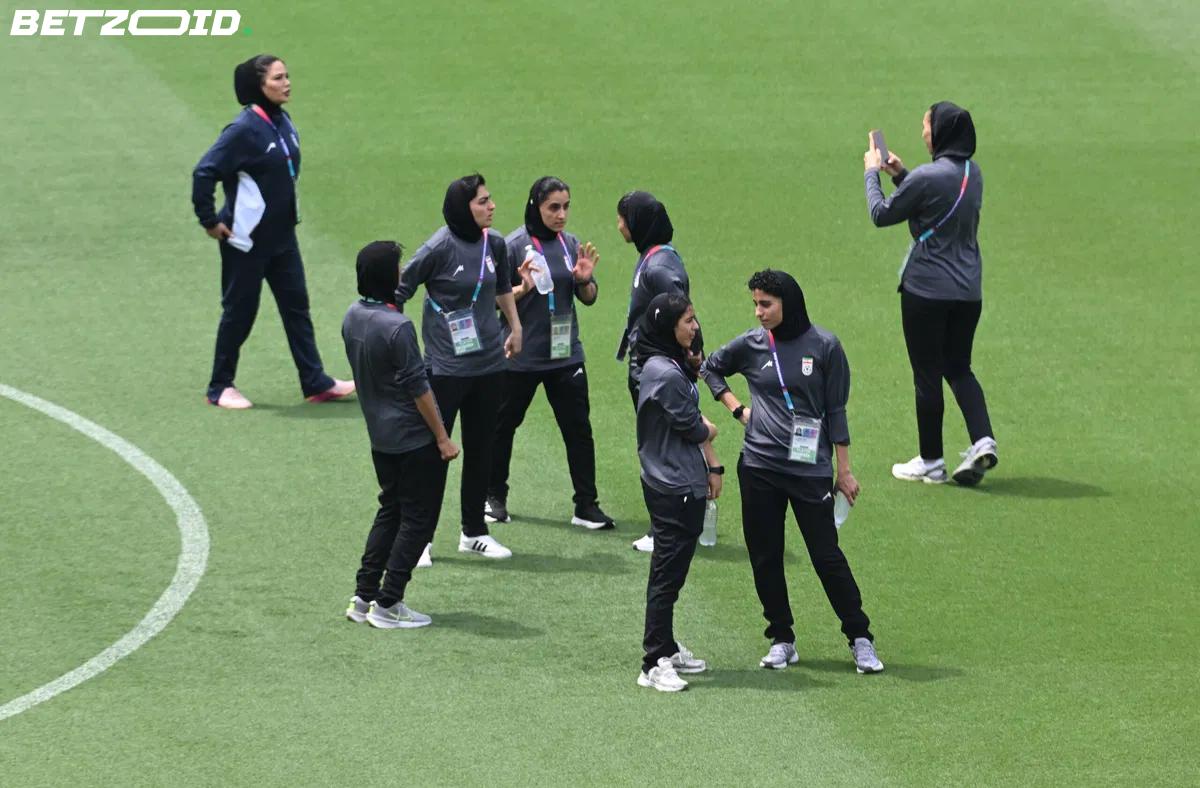
The Iranian Women's Soccer Team's tournament run ended with a 2-0 loss to the Philippines at the AFC Women's Asian Cup. But that defeat on the Gold Coast turned out to be the least of their worries.
What happened next turned into a full-blown international incident that raised serious questions about player safety. The global players' union FIFPRO had to step in with emergency protection measures.
Before their opening match against South Korea, the Iranian players stood silently during their national anthem. It was a powerful statement that didn't go unnoticed. State-backed media back home labeled them as "traitors" for the gesture.
Then something strange happened. When Iran faced Australia in their next match, the same players sang the anthem and performed military salutes. Human rights advocates immediately suspected the worst - that government officials had forced them to comply.
Emergency Action in Australia
FIFPRO Asia/Oceania didn't mince words in their statement on X. "The players have demonstrated remarkable courage in the most difficult of circumstances. No athlete should be placed in this situation," they wrote.
The union made it clear this wasn't just about one incident. They called for "profound change" to prevent similar situations from happening again.
Seven team members decided to seek asylum in Australia rather than return home. Australian Prime Minister Anthony Albanese personally intervened, issuing five humanitarian visas. "They're safe here and they should feel at home here," he stated publicly.
But there was a scary moment when one player changed her mind. She revealed the group's location to Iran's embassy, putting everyone at risk. Home Affairs Minister Tony Burke had to move the players immediately to keep them safe.
What This Means Going Forward
The remaining players who chose to return home flew through Kuala Lumpur with Australian government support. FIFPRO confirmed they'll monitor the situation closely, especially regarding the families of players returning to Iran.
For teams and tournaments facing similar geopolitical issues, this sets a precedent. Football governing bodies now have clear human rights obligations they can't ignore. The union emphasized that "all players across the region have the right to join, form and access the support of a players' association."
This controversy could affect future international women's football competitions in the region. Tournament organizers and betting markets will need to consider potential withdrawals or player safety issues when teams from politically sensitive situations participate.
The Australian football community, human rights groups, and Iranian Australians rallied around the players with remarkable support. FIFPRO thanked them for their "advocacy and compassion."
As for the players still in Australia, they're starting new lives in safety. The situation remains tense, and only time will tell how this impacts Iran's participation in future women's football competitions.