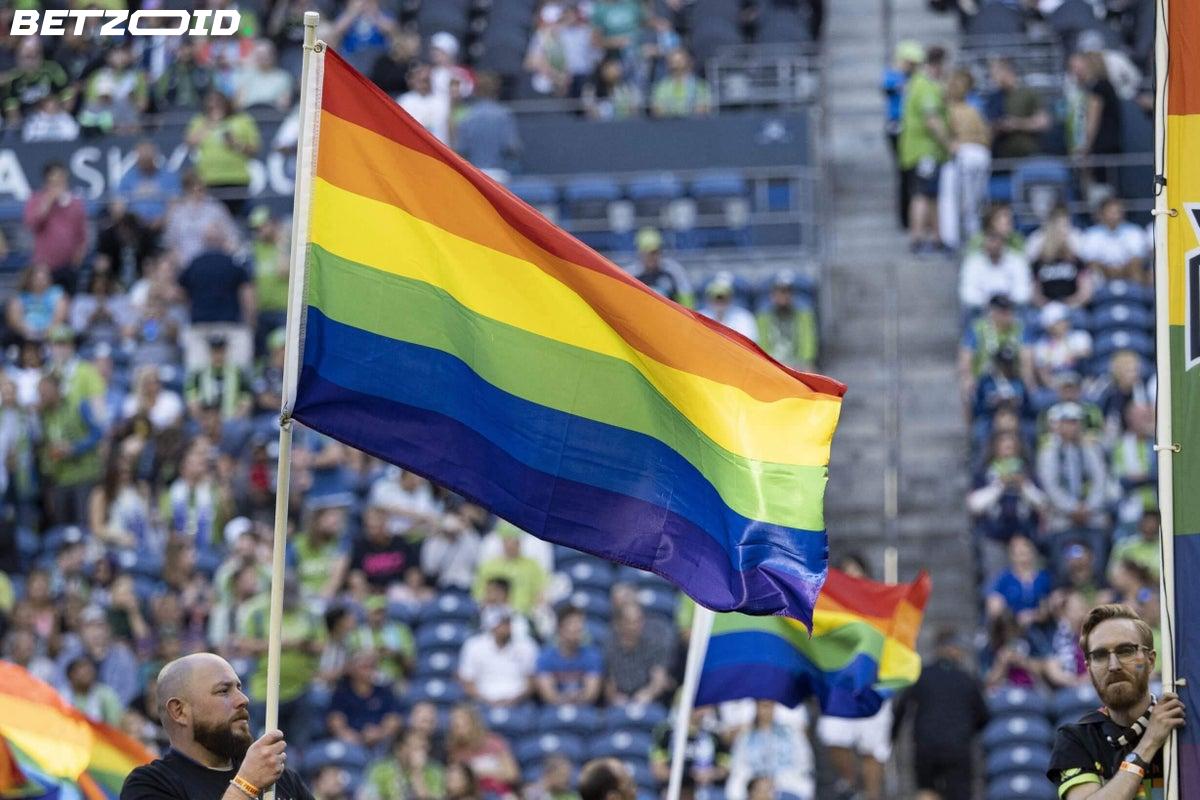
Iran and Egypt went to FIFA demanding a ban on Pride symbols at their World Cup group-stage clash in Seattle on Friday. FIFA said no.
The Iran Football Federation formally communicated to FIFA that "no ceremonies or promotional activities associated with this movement" — their words, deliberately avoiding naming the LGBTQ+ community — should be present inside Lumen Field. Egypt backed them up with an official letter to FIFA secretary general Mattias Grafstrom, flatly refusing "any activities related to supporting homosexuality" during the match.
FIFA's response was unambiguous: "Rainbow flags and other flags representing sexual orientation and gender identity are permitted under the FIFA World Cup 2026 Stadium Code of Conduct." Fans who show up with flags won't be turned away. That's the line, and FIFA is holding it.
How Seattle accidentally created a diplomatic flashpoint
The backstory matters here. Seattle's host committee had been planning Pride-themed programming around the June 26 World Cup fixture long before the draw was made in December. The problem? The draw handed them Egypt vs. Iran — two nations that not only oppose Pride symbolism but actively criminalize same-sex relations. Iran imposes a maximum penalty of death under its penal code. Egypt provides for prison sentences and fines.
The "Pride Match" branding, conceived by local organizers before they knew which teams would be playing, suddenly became an international incident rather than a celebration. FIFA president Gianni Infantino tried to distance the governing body from the whole thing in January, telling Swiss newspaper Weltwoche: "I must clarify that there will be no 'Pride Match' at the World Cup. There will be a FIFA World Cup match in Seattle, and on the same day, events organised by external organizations will be taking place in the city."
Technically accurate. Also a significant retreat from any kind of moral clarity.
What's actually happening inside the stadium
Despite months of headlines, the in-stadium programming was never the real story. Local host committees don't control what happens inside World Cup venues — FIFA does. Sources familiar with the planning say the Seattle committee's Pride activations were always intended to take place outside the stadium perimeter, which sits beyond FIFA's jurisdiction anyway.
What this means in practice: there's no organized in-stadium Pride ceremony. What there will be is thousands of Seattle fans, in a famously liberal Pacific Northwest city, on Pride weekend, who may choose to bring rainbow flags of their own accord. That's their right under the stadium code. Iran and Egypt's federations can communicate their discomfort to FIFA all they like — they cannot dictate what paying fans carry through the turnstiles.
- Iran's federation asked FIFA to bar Pride symbols and ceremonies inside the stadium
- Egypt's FA sent a formal letter to FIFA's secretary general opposing any related activities
- FIFA confirmed rainbow flags are permitted under the 2026 Stadium Code of Conduct
- Main Pride programming by Seattle's host committee is planned outside the stadium perimeter
- FIFA's central operations — not local committees — control all in-stadium World Cup programming
Seattle host committee representative Hedda McLendon put it plainly: "Egypt and Iran are just two of 65 countries around the world that criminalize homosexuality, and there is an opportunity for everybody to do better when it comes to LGBTQ inclusion."
That quote will not go down well in Tehran or Cairo. It wasn't meant to.