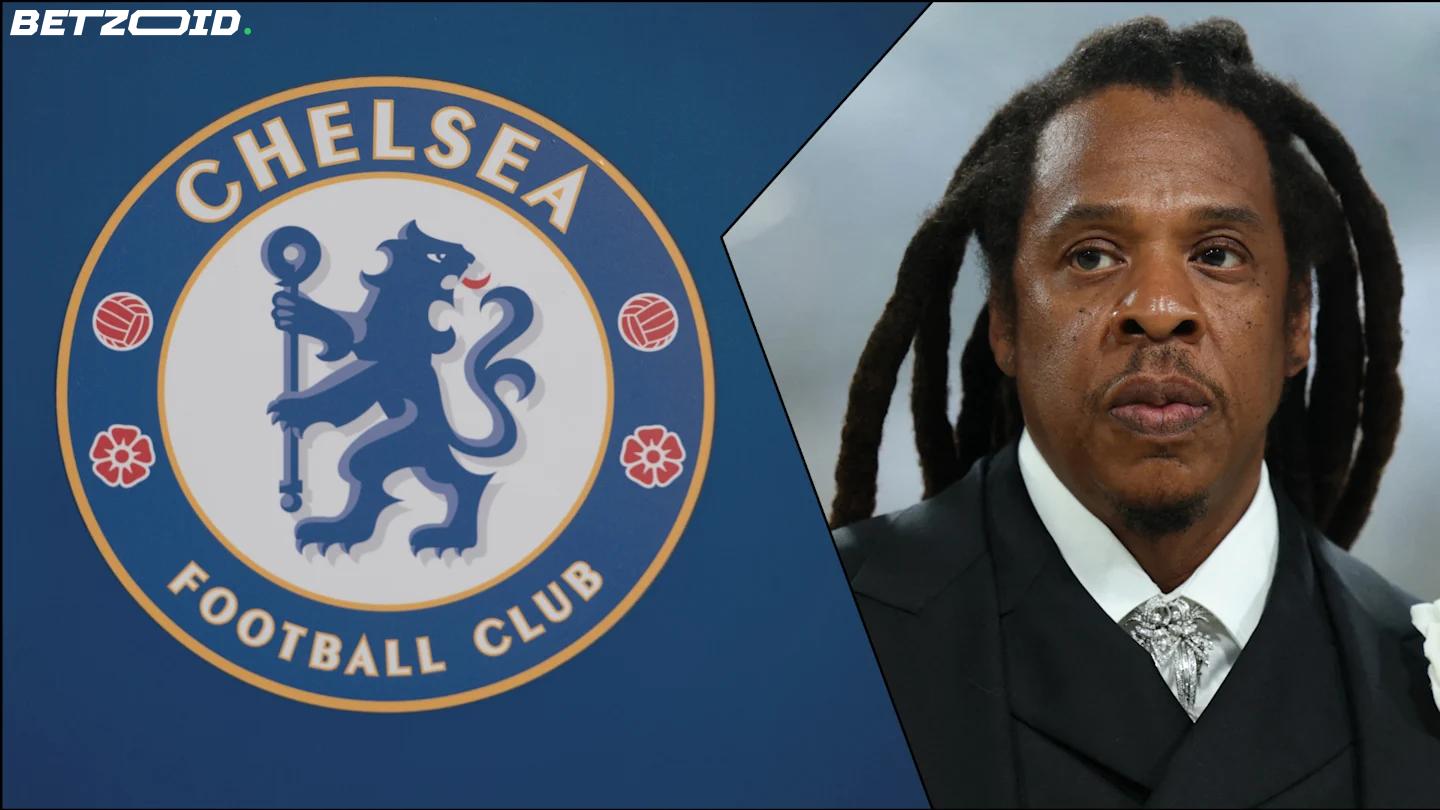
Chelsea have partnered with Roc Nation Sports International — Jay-Z's entertainment company — in a deal aimed squarely at cracking the United States market. The official framing: "soccer, music and culture." The actual goal: American eyeballs, American wallets, American fans who don't yet have a club.
This is BlueCo being BlueCo. Since Todd Boehly and Clearlake Capital took over from Roman Abramovich in 2022, Chelsea's ownership has operated like a Silicon Valley startup dropped into Stamford Bridge. Long contracts for young players, a near-total ban on signing players over 28, and now a lifestyle brand strategy that reads like a pitch deck from a Brooklyn co-working space.
Why the US, and why now
The timing isn't accidental. The World Cup arrives in North America this summer, and the surge of soccer interest it generates is the kind of wave smart clubs are already paddling to catch. Chelsea want to be positioned before the swell hits, not scrambling after it.
Brand director Scott Fenton put it plainly: "This partnership represents a major step forward in how we connect with our fans in the United States." Roc Nation's value here isn't football knowledge — it's cultural reach. The agency sits at the intersection of music, sport, and celebrity in a way that few organisations in the world can match, and that crossover access is exactly what Chelsea are buying.
Michael Yormark, president of Roc Nation Sports International, framed it this way: "Football has never been more culturally influential in the U.S. Our ambition is to help Chelsea Football Club show up in the moments, platforms and conversations that truly matter to the modern fan."
The financial logic is hard to argue with. The US market is the most lucrative on the planet, and unlike Europe, it isn't already carved up between clubs with century-old loyalty locked in. Chelsea converting even a fraction of casual American soccer interest into paying supporters — shirts, subscriptions, matchday tourism — changes their commercial picture significantly. In an era where FFP, PSR, and SCR have replaced Roman Abramovich's chequebook, outside revenue isn't a nice-to-have. It's the model.
The DJ Khaled problem
Still, the early execution raised eyebrows. The partnership launch came bundled with a giveaway contest for a Chelsea shirt signed by DJ Khaled — a Roc Nation artist, popular in the US, zero connection to football. Fine concept in theory. Except the shirt handed out was an outfield jersey with the number 1 on the back. The squad number worn by the goalkeeper.
It's a small thing. But small things signal how much a campaign actually understands the product it's selling. Chelsea want to be taken seriously by American soccer fans — the ones who actually watch the sport — while simultaneously wooing people who've never seen a Premier League match. Threading that needle without alienating either group is harder than any press release makes it sound.
Chelsea have promised "integrated campaigns, content drops and live experiences" in the months ahead. Whether that translates into genuine supporter growth or just impressive-looking engagement metrics is the real question. Becoming an "aspirational lifestyle brand" is the stated ambition. Whether that sits comfortably alongside being a football club from west London is something the Stamford Bridge faithful will have their own views on.