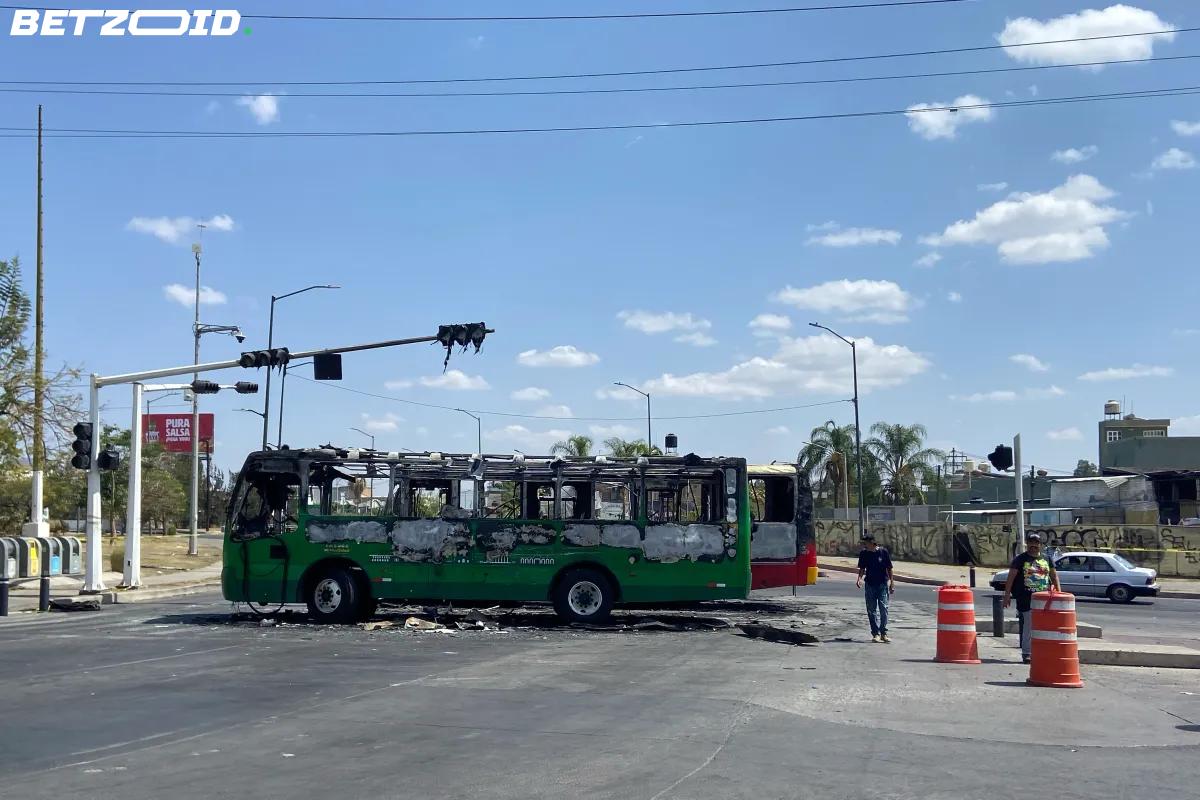
The 2026 FIFA World Cup is facing a major security headache. Violence has exploded in and around Guadalajara, Mexico, following the death of cartel leader Nemesio "El Mencho" Oseguera Cervantes. The city is supposed to host World Cup matches in just over a year.
After a Mexican military operation took down the Jalisco New Generation cartel boss, all hell broke loose. We're talking retaliatory blockades, arson attacks, and violent clashes across the region. Authorities issued shelter-in-place warnings and airlines canceled flights.
Guadalajara is one of three Mexican cities set to host tournament games. The chaos has people questioning whether it's safe to hold matches there. Fans, teams, and even match officials could be at risk if this security situation doesn't improve.
Football World Reacts With Alarm
Football commentator Younes H-Hamou didn't hold back on social media. "I say we move the World Cup away from that entire continent," he posted. He pointed out that 13 World Cup matches are scheduled for Mexico and called the situation "nuts."
Four professional soccer matches in Mexico were postponed on Sunday, including the huge Chivas-América rivalry game. That's Liga MX's biggest match getting shelved due to safety concerns. When domestic games can't go ahead, how can FIFA expect to safely host the world's biggest tournament?
For anyone thinking about booking trips or placing early tournament bets, this security situation is definitely worth monitoring. Venue changes or postponements could completely shift the tournament dynamics and betting markets.
Dark History Repeating?
This isn't the first time organized crime has collided with football. In 1994, Colombia defender Andrés Escobar was murdered in Medellín just days after scoring an own goal at the World Cup. His death shocked the world and highlighted how criminal networks can threaten players and fans.
The U.S. State Department issued serious warnings. Americans in Jalisco state—including Guadalajara and Puerto Vallarta—were told to shelter in place. Road blockages and criminal activity made travel dangerous across multiple Mexican states.
Mexican President Claudia Sheinbaum tried to calm fears. She said activities were proceeding "with complete normality" in most of the country. State governments were working in "absolute coordination" to restore order.
Mexico's Defense Ministry confirmed El Mencho was wounded during Sunday's operation in Tapalpa and died while being transported to Mexico City. Four cartel members were killed and three soldiers injured in the operation.
Authorities are working to dismantle blockades and restore normal operations at airports and stadiums. But analysts warn that the power struggle within the cartel could keep western Mexico unstable for weeks or months. That timeline puts it dangerously close to final World Cup preparations.
The tournament is a joint venture between the United States, Canada, and Mexico. Some online voices are now calling for Mexico to be removed entirely from hosting duties. Whether FIFA will actually consider such a drastic move remains to be seen, but the pressure is mounting.