"It would cost $2,000 for me to go to a group stage match with my wife and two kids. None of those games is worth that." That's Kyle from Atlanta, and he's not an outlier. For a city about to host eight World Cup fixtures — including a semifinal — the local mood is a lot more complicated than the FIFA brochure suggests.
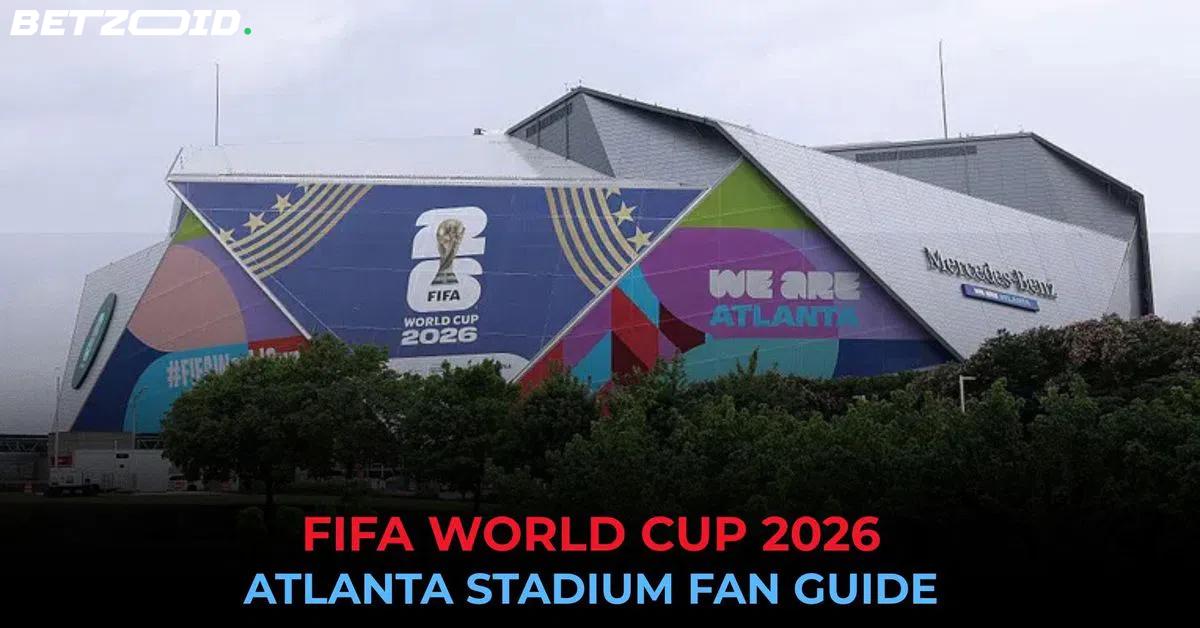
Atlanta Stadium will officially go by that name during the tournament, not Mercedes-Benz Stadium — FIFA's commercial naming rules kick in. The giant logo on the roof stays, though. Covering it would have damaged the retractable roof structure, so FIFA granted a rare exception. The Benz in everything but name.
What's actually happening at the stadium
The schedule is genuinely strong. Spain play two group games here — against Cape Verde on June 15 and Saudi Arabia on June 21. Morocco face Haiti on June 24. The venue also hosts a Round of 16 on July 7 and a semifinal on July 15. That's a serious programme for a stadium that cost $1.6 billion to build and holds close to 80,000.
For the World Cup, artificial turf is out — FIFA mandates natural grass. Stadium operators have spent two years testing grass-growing systems inside an enclosed venue. Earlier attempts at temporary grass installations drew criticism during international tournaments, so the pressure is on to get it right this time.
One thing that will genuinely work in fans' favour: the roof stays closed and the air conditioning runs throughout. Atlanta in June and July regularly hits above 30°C. Watching football in a climate-controlled 80,000-seat stadium beats sweating through an open-air venue in that heat by a distance.
Getting in — and the cost of doing so
Entry-level tickets start around $200. Premium seats and high-demand fixtures push toward $3,000. For Indian supporters considering the trip, all-in packages through sports travel companies are running between ₹7 lakh and ₹9 lakh per person for a six-day group-stage visit. Hospitality tickets alone range from $2,500 to $10,000, with final packages reportedly exceeding $60,000.
Those prices are doing real damage to local enthusiasm. Kyle put it bluntly: "Most people in Atlanta are apathetic about the World Cup. People who care are disenchanted by ticket prices; those who don't are not even talking about it." For anyone tracking attendance patterns and whether stadium atmospheres will deliver, that's worth factoring in — early group games between lower-profile nations could see noticeably thin local support despite near-capacity numbers driven by travelling fans.
If you're coming without a ticket, the official FIFA Fan Festival runs at Centennial Olympic Park on around 20 tournament days, including match days and the day before each Atlanta fixture. Free to register, though paid passes may be required at peak demand. MARTA — Atlanta's rail network — runs every five minutes and stops within walking distance of the stadium. A single journey costs $2.50. It's the obvious call over matchday traffic.
- June 15: Spain vs Cape Verde — 12:00 ET / 16:00 GMT
- June 18: Czechia vs South Africa — 12:00 ET / 16:00 GMT
- June 21: Spain vs Saudi Arabia — 12:00 ET / 16:00 GMT
- June 24: Morocco vs Haiti — 18:00 ET / 22:00 GMT
- June 27: DR Congo vs Uzbekistan — 19:30 ET / 23:30 GMT
- July 1: Round of 32 — 12:00 ET / 16:00 GMT
- July 7: Round of 16 — 12:00 ET / 16:00 GMT
- July 15: Semifinal — 15:00 ET / 19:00 GMT
For fans watching away from the stadium, STATS Brewpub, Fado Irish Pub, and Der Biergarten are among the bars expected to screen matches. Midtown is the likely hub. Yeppa & Co. in Buckhead is planning a street party for the final on July 19, even though that game is in New Jersey. Popular Atlanta attractions like the Georgia Aquarium and World of Coca-Cola will be under heavy demand — book ahead, especially on non-match days.
"I wish my kids and the city could experience that excitement," Kyle said, thinking back to 1994. That's the gap FIFA hasn't closed: between the spectacle it's building and the people who actually live here.