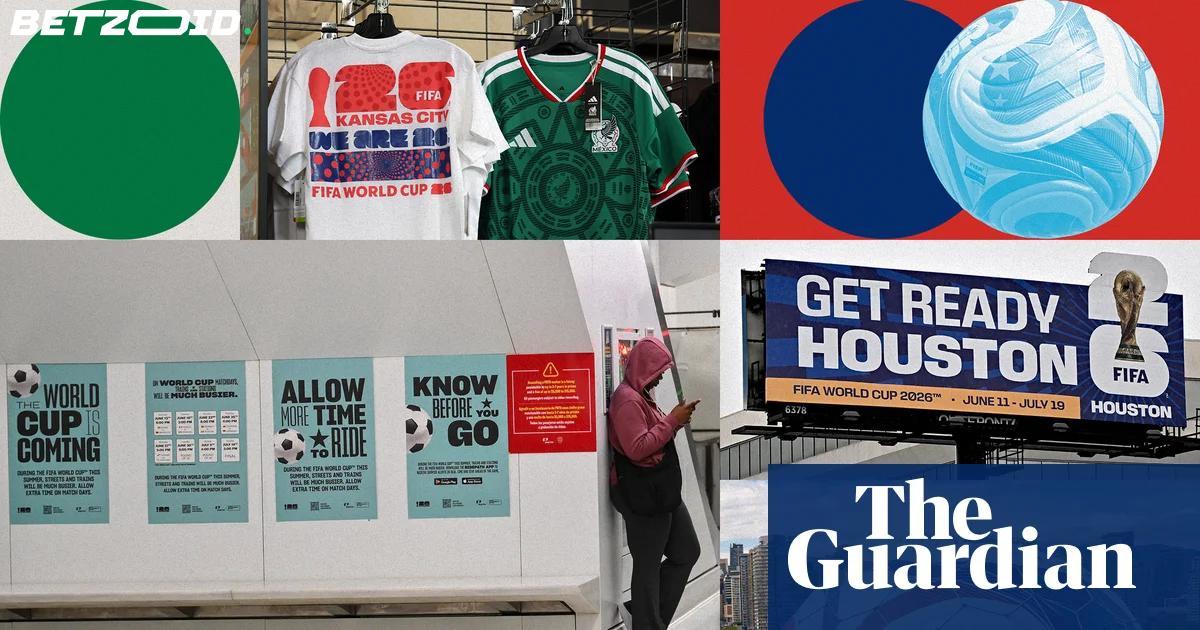
The 2026 World Cup arrives on home soil for millions of football fans across the United States, Mexico, and Canada — and the dominant emotion isn't joy. It's a complicated, simmering resentment dressed up in cautious optimism.
Across all 16 host cities, the story is remarkably consistent: fans who love the game, who have waited years for this moment, are being priced out of it. Group stage tickets regularly exceeding $200 for nosebleed seats. Family tickets for an Atlanta group game costing $2,000. England's match in Dallas commanding astronomical resale prices. This isn't a cost-of-living problem — it's a structural one. Fifa built a tournament for sponsors and VIPs, not supporters.
A tournament that feels distant from the people hosting it
"It feels like an event for the rich now," says Kyle from Atlanta, who attended the 1994 World Cup as a 14-year-old. That tournament changed his relationship with the sport. He doubts his own children will get the same opportunity despite the games being in their back yard.
In Mexico City, the frustration cuts deeper. Francisco Fontano Patán points out that only 13 of 104 matches are being played in Mexico — a country that has hosted two World Cups — while the US absorbs the majority of the tournament. "Being part of this World Cup feels wrong," he writes. "The World Cup has been a nuisance in daily life, a wasted opportunity in the long term, an abuse of the people who should enjoy the event." There was a chance, he notes, to finally build a subway connection in the Coapa district near the Azteca. The city government abandoned that plan.
The infrastructure grievances aren't limited to Mexico. In Boston, the stadium is 30 miles outside the city in Foxborough, and a last-minute agreement on traffic and parking between the town, the New England Patriots, Massachusetts, and Fifa "has the potential to be an ugly mess," according to correspondent David Achenbach. In Los Angeles, there's barely any public transport to the stadium. In Houston, Ian Sherman warns the city's infrastructure "may buckle under the strain."
Politics casting a long shadow
Then there's the geopolitical backdrop that no amount of Fifa branding can paper over. The US has imposed visa restrictions affecting fans from several qualified nations. The bombing of Iran — a participating country — has created a toxic atmosphere, particularly in Guadalajara, where Heather Chambers reports "growing anti-US feeling" and near-zero local excitement. "This World Cup is tainted," she writes. "The games should have been moved to Canada and Mexico the minute Donald Trump came to power."
In Kansas City, Eric Wahl is proud his city will host base camps for England, Argentina, the Netherlands, and Algeria — but he's also "embarrassingly" conscious of America's gun problem. A mass shooting happened during the Chiefs' Super Bowl parade, directly across from where the fan festival will be held. That's not abstract anxiety. That's a specific, documented threat to the tournament's stated goal of bringing the world together.
Not every city is draped in gloom. Seattle's Roger Paul Probert-Baker describes a genuinely sports-literate population that understands football, backed by Sounders fan culture that stretches back to 1974. Toronto's Peter Nazir Faiz captures something real about what a multicultural city does with a World Cup: "When Italy won it, a million Italians flooded Little Italy." Toronto doesn't need selling on this tournament — it's already living it.
What this means for the tournament's commercial gamble
The expanded 48-team format was supposed to generate more revenue through more games. The risk — now playing out in fan sentiment ahead of kickoff — is that bloating the group stage with mismatches alienates the core audience without replacing them. Half-empty early-round stadiums are a real possibility, as multiple correspondents predict. Once the knockout rounds arrive, global interest will spike regardless. But those first weeks matter for atmosphere, for television pictures, for the narrative of a tournament working.
Several fans explicitly said they hope Fifa loses money on this. That's a striking thing to read from people who describe themselves as deeply committed to the sport. It reflects something beyond disappointment — it's a coherent protest position from fans who feel the game is being extracted from them.
- Group stage tickets regularly exceeding $200-$600 per seat across US venues
- Only 13 of 104 matches allocated to Mexico, despite the country's World Cup history
- Visa restrictions affecting fans from multiple qualified nations
- Infrastructure concerns flagged in Boston, Los Angeles, Houston, and Mexico City
- Fan zones and public viewings likely to carry more of the atmosphere than the stadiums themselves
"It's here, but we can't even take part. That's heartbreaking," writes Ali from San Francisco — a sentence that probably speaks for more of the host-country football public than Fifa's ticketing strategy would ever acknowledge.