Fifa isn't just making the 2026 World Cup bigger — it's making it more policed. A string of rule changes covering VAR, red card offences, time-wasting, and substitutions will reshape how the tournament is refereed, and some of these will have a direct impact on how matches play out, right down to the final whistle.
Start with VAR, because that's where the most significant shifts are. Video assistants will now be expected to review every decision that leads to a corner, and also assess situations that result in a second yellow card — something they currently don't touch. Beyond that, in a change announced less than a fortnight before kick-off, VAR can now look back at fouls committed before a set piece is taken if that incident is deemed to have had a "direct impact" on what followed. In plain terms: grappling at corners and shoved-down attackers before free-kicks will now be fair game for intervention. The Premier League is already eyeing the corner-check rule with suspicion and may opt out — but at the World Cup, it's in.
Two incidents that directly rewrote the rulebook
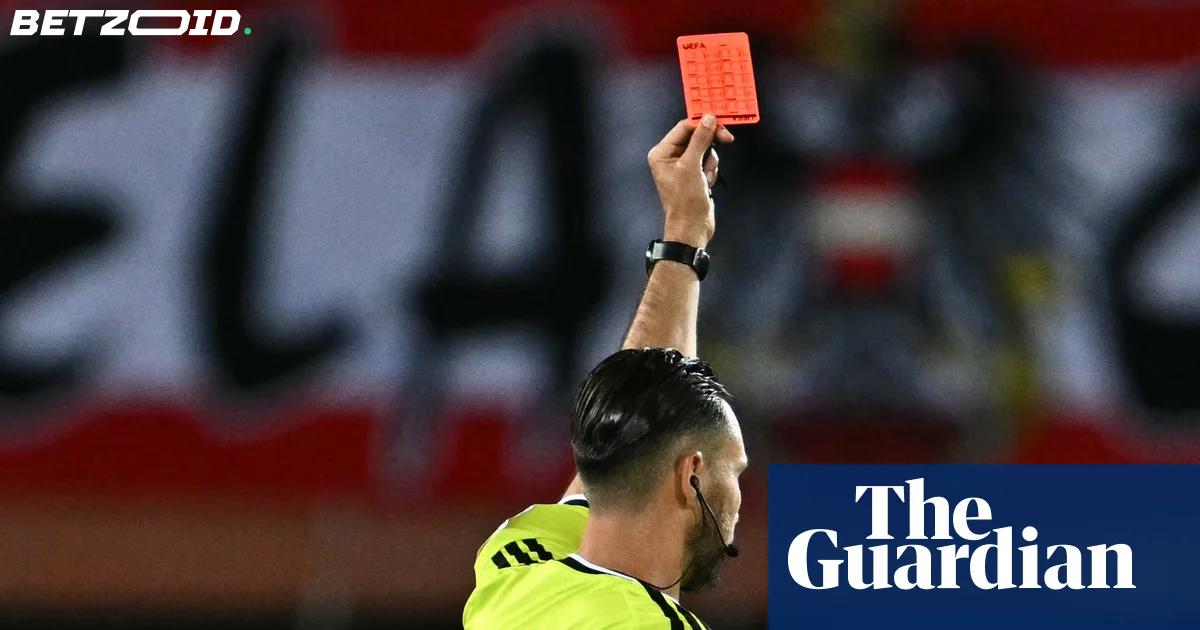
The new red card offences have very specific origins. When Senegal coach Pape Thiaw and his players walked off the field during the Africa Cup of Nations final in protest at a penalty decision, it was embarrassing and disruptive. Now it's a sending-off offence. Any player or official who leaves the pitch in protest at a referee's call faces immediate dismissal.
The second offence is more unusual but equally targeted. After Benfica's Gianluca Prestianni hid his mouth under his shirt to confront Vinícius Júnior during a Champions League match — abuse Real Madrid called racist, though Prestianni admitted to and was banned for homophobic remarks — Gianni Infantino personally pushed for a rule change. Covering your mouth "in a confrontational situation" is now a red card offence at the World Cup. Infantino calling for a rule personally and getting it written in before a major tournament is the kind of thing that should make you raise an eyebrow, but here we are.
Clampdown on time-wasting and tactical injuries
The tactical timeout problem — coaches using apparent injuries to send on instructions — is being tackled head-on. Outfield players leaving the field for treatment must now stay off for 60 seconds once treatment is done, regardless of how quickly they recover. Goalkeepers, historically the biggest offenders, will continue to be treated on the pitch, but every other player must retreat to the centre circle during treatment — taken directly from the NWSL rulebook — and cannot approach the technical area.
The five-second countdown that already applies to goal-kicks now extends to throw-ins. Let the clock hit zero on a throw and possession switches to the opposition. Drag your feet on a goal-kick and the other team gets a corner. It's a clean, simple deterrent.
Finally, substituted players must leave the field within 10 seconds of their number being raised. Dawdle past that and the replacement stays off the pitch for an additional minute. Slow-walking off the field to waste time — one of football's most tedious rituals — just got a real consequence attached to it.
For a tournament with 48 teams and an expanded format, the last thing organizers need is matches turning into drawn-out referee showcases. Whether these rules actually tighten things up or just create new flashpoints is the real question. With VAR's remit now wider than ever, expect at least a few moments in the group stage that test every single one of them.