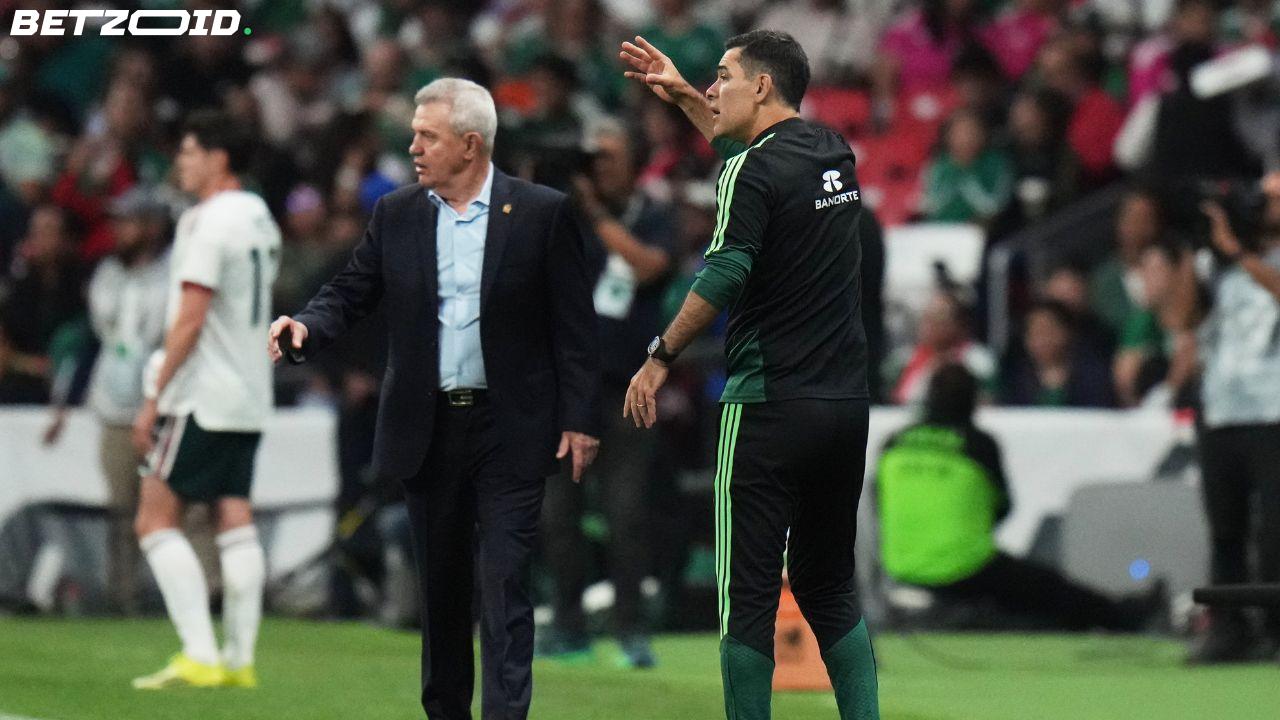
Rafael Márquez is Mexico's new head coach, and the FMF aren't pretending it's a surprise. This was the plan all along — a deliberate handover from Javier Aguirre to his own assistant, ratified after Mexico's 3-2 Round of 16 loss to England brought this World Cup cycle to a close.
Aguirre put it plainly: "I spoke with Rafa because we are both prominent figures in Mexican soccer — I knew him as a player and a teammate — and he is more than qualified." That's a warm endorsement, but it also papers over a real question: does managing Barcelona's reserve side for two seasons prepare you for the pressure cooker of a senior national team?
What Márquez actually brings to the role
The résumé as a player is genuinely stacked. Five World Cups. A 1999 Confederations Cup. Gold Cups in 2003 and 2011. At club level, two Champions League medals and four La Liga titles at Barcelona, alongside back-to-back Liga MX titles with León at the end of his career. He is, without question, the most decorated player Mexico has ever produced.
Coaching is a different currency. At Barça Atlètic, he went 40 wins, 21 draws, 21 losses across 82 matches — a respectable but not dominant record in Spain's third tier. That's his entire senior management experience going into what is, objectively, one of the most scrutinized jobs in North American football.
Still, the FMF framed this as "an orderly transition designed to ensure continuity" — and they're not wrong that continuity has value. Márquez was in the dugout through Aguirre's entire cycle. He knows the squad, the staff, and presumably the dysfunction that comes with managing El Tri.
The Round of 16 ceiling nobody wants to talk about
Mexico exited in the Round of 16. Again. That's eight times in their last nine World Cups at that exact stage — a stat so consistent it has stopped being a coincidence and started being a structural problem. Aguirre's team showed improvement on Qatar 2022's group-stage exit, and the FMF duly praised his "solid legacy of hard work, identity, and competitiveness." But the ceiling hasn't moved.
Márquez's mandate is the 2030 World Cup, a tournament co-hosted partly in the Americas. Mexico will carry serious expectations on home soil. His debut comes in the FIFA international window in late September and early October — low-stakes fixtures to begin with, but the pressure clock starts ticking immediately.
Any futures market pricing Mexico for a deep run in 2030 should factor in that this is a 47-year-old first-time senior manager, however decorated the name above the door.