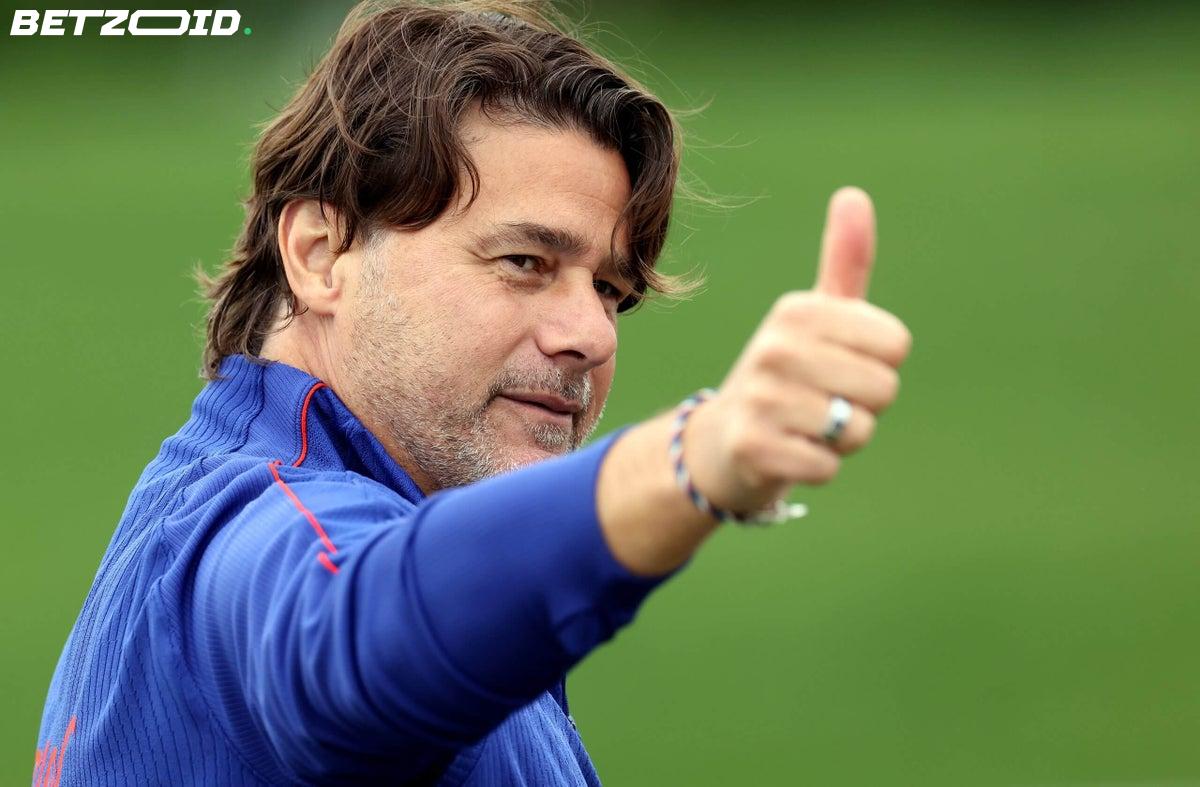
A 4-1 shellacking from Belgium in the round of 16, on home soil, in your own World Cup — and the coach might be staying. U.S. Soccer CEO JT Batson confirmed Thursday that the federation is in "active discussions" with Mauricio Pochettino about extending his contract and keeping his staff in place.
Take that however you like.
Batson was measured but optimistic, saying Pochettino's group has already been involved in long-term planning — including playing a "key part" in the recent hiring of Steve Cherundolo as U-23 men's Olympic team coach. That's either a sign of genuine buy-in or the kind of institutional inertia that keeps coaches in jobs longer than results justify. Given the scoreline in Seattle, the question is worth asking.
The Balogun saga still hanging over everything
The Belgium loss didn't happen in a vacuum. Folarin Balogun's red card against Bosnia and Herzegovina earned him an automatic one-game ban under FIFA's Article 10.5 — a suspension U.S. Soccer's own sources confirmed could not be appealed. Then Donald Trump called Gianni Infantino. The ban was reversed. Balogun played. The U.S. lost 4-1 anyway.
Asked whether involving the Trump administration had been a mistake, Batson gave the most political non-answer possible: "The president is able to do what the president wants to do." He's not wrong. He's also not saying much.
Whether the intervention helped or hurt U.S. Soccer's standing within FIFA is a question the federation would clearly prefer not to engage with publicly.
The longer rebuilding picture
Arsene Wenger, now FIFA's Chief of Global Football Development, joined the media roundtable and offered the kind of sobering perspective that gets lost in post-tournament noise. Spain and Argentina have football culture embedded across generations. The U.S. doesn't — yet. Wenger pointed to France's academy system, founded in 1973, producing its first major trophy in 1984. Eleven years of groundwork before the payoff.
COO Dan Helfrich was direct about what the federation is not trying to do: "We're not trying to make the current system more affordable. We need a different system." Pay-to-play has been the sport's structural wound in America for decades. Whether the 2026 tournament's record viewership finally creates enough pressure to actually fix it is the real question — not whether Pochettino's contract gets another year.
"This will take time and this will be hard," Batson said. At least on that point, nobody in the room disagreed.