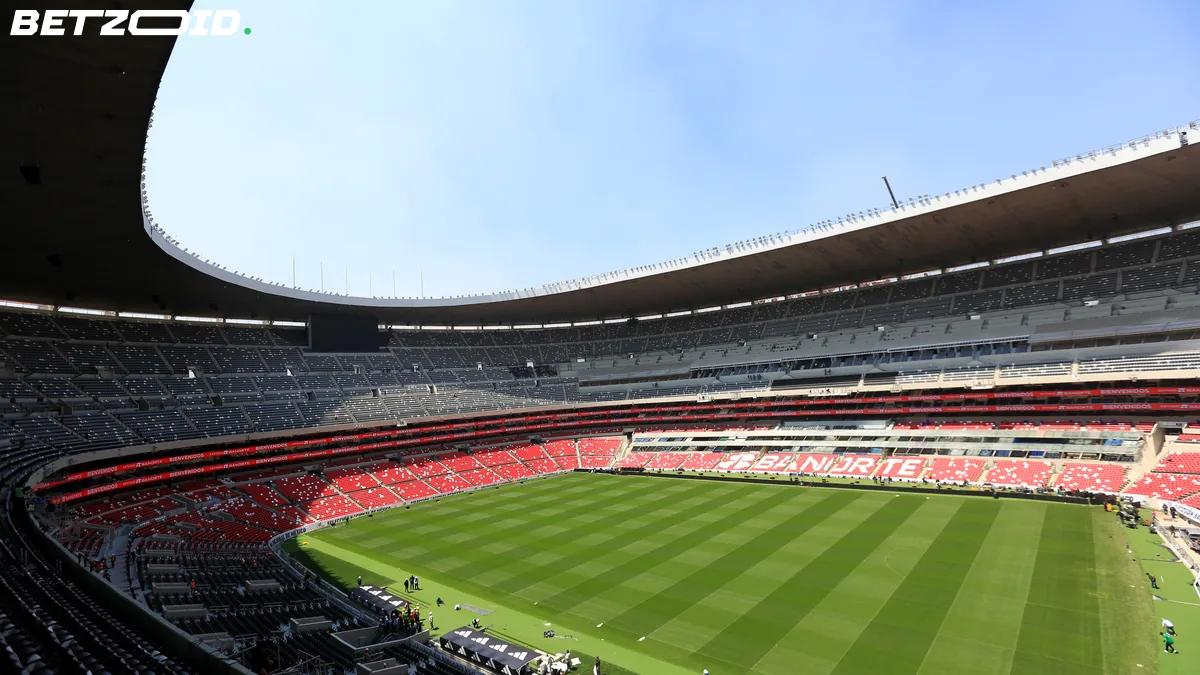
Mexico's president said it plainly: the proposal was made "principally for the World Cup." No diplomatic language, no burying it in a government bulletin. Claudia Sheinbaum just said it out loud at a Friday press conference.
On May 7, the country's Secretary of Public Education announced the national school year — for both public and private schools — would wrap up on June 5, more than a month ahead of schedule. The official government bulletin, Bulletin 161, cited two reasons: extreme heat and the football World Cup. In that order. But Sheinbaum's words flipped the priority.
"Many Mexicans, we like soccer and we're waiting for the World Cup," she said. Hard to argue with that.
Not everyone's on board
The announcement landed like a contested penalty decision. Parents and education groups were stunned. Jalisco — whose governor belongs to the opposition Citizens' Movement party rather than the ruling Morena — pushed back immediately, saying they never requested the blanket calendar change and would keep classes running until June 30, suspending only on matchdays when games are played in their city. Four World Cup matches are scheduled at Estadio Akron, home of Chivas.
Their statement didn't pull punches: "We understand the negative impact the adjustments proposed by the SEP can represent in the learning of girls, boys and teenagers."
Some critics have pointed out the obvious — only the opening game falls during typical school hours anyway. The rest of Mexico's group-stage fixtures kick off at times that wouldn't disrupt a normal school day. It's a fair point, though it hasn't slowed the momentum of the decision.
Mexico's World Cup schedule
The stakes explain the national mood, at least partially. Mexico opens the tournament against South Africa on June 11, then faces Korea on June 18 in Jalisco, before closing the group stage against the Czech Republic on June 24 back in the capital. El Tri on home soil — or close enough to it — carries a weight that goes well beyond a school calendar.
Mexico City's mayor has already asked businesses to let employees work remotely during the tournament. The education decision, contested or not, fits a broader pattern: the country is reorganising itself around six weeks of football. Whether the class days get made up remains, per Sheinbaum, still to be decided definitively.