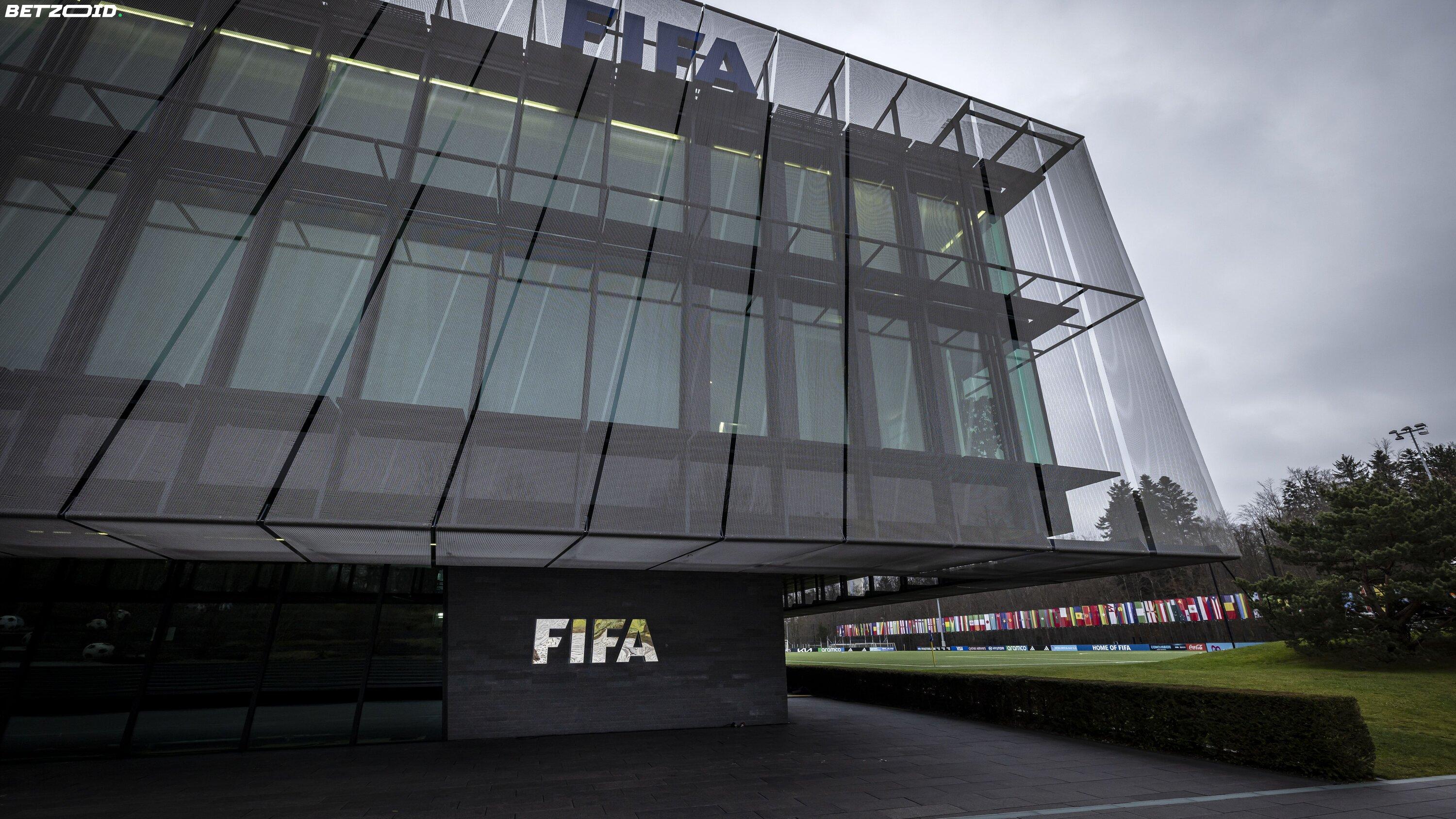
"FIFA has left hundreds of millions of dollars on the table." That's not a disgruntled competitor talking — that's John Skipper, ESPN's former president, summing up one of the most lopsided broadcast deals in sports history.
Fox Corporation is paying $485 million to air the 2026 World Cup. Industry experts put the open-market value at between $1 billion and $1.5 billion. Some think it could go higher. Fox isn't just getting a bargain — it's getting the deal of a generation, and the paper trail leads back to a soundproof boardroom in Zurich in 2014.
How the Qatar problem became Fox's windfall
The origin of this deal is FIFA's own mess. When FIFA awarded the 2022 World Cup to Qatar — a country whose summers regularly hit 40°C — it created an immediate scheduling problem. Fox had already paid a record $425 million for the rights to the 2018 and 2022 tournaments, specifically on the basis that both would be played in their traditional summer slot. Moving Qatar to November-December would dump Fox's coverage directly into America's most congested sports calendar: NFL, NBA, NHL all running simultaneously.
FIFA needed Fox not to sue. Fox needed leverage. The solution, according to people with direct knowledge of the 2014 board meeting, was presented by then-secretary general Jerome Valcke: extend Fox's contract to cover 2026, lock in the price now, and the scheduling dispute disappears. No competitive tender. No open market. Just a handshake worth hundreds of millions to Fox and a fraction of that to FIFA.
The announcement came in February 2015. A month later, FIFA officially confirmed the Qatar dates. Two months after that, the entire FIFA leadership was swept out in a sweeping US Department of Justice indictment.
The Fox deal survived all of it.
The corruption shadow — and what it actually means
The 2026 deal wasn't directly implicated in the DOJ case, but the context around it is uncomfortable. A key government witness, former Argentine sports marketing executive Alejandro Burzaco, testified that Fox gained a decisive edge in the original 2018/2022 bidding process through inside information obtained from a FIFA official secretly on Burzaco's payroll. Fox has consistently denied any wrongdoing and was not named as a defendant.
Skipper, under cross-examination, acknowledged he had no direct evidence of wrongdoing. But he also testified that senior FIFA officials had personally assured him ESPN would be steered toward winning the bid — the same kind of informal guidance that, he noted, appeared to benefit Fox instead.
"I didn't pay them any money," he said pointedly.
After the courtroom allegations surfaced, FIFA's senior officials quietly explored whether the Fox contract could be voided. They consulted outside law firm Paul Weiss, made contact with Fox's lawyers, and received a roughly ten-page letter from Fox defending the deal's legitimacy. FIFA ultimately dropped the matter. Valcke, for what it's worth, was later convicted in Switzerland on charges related to separate World Cup rights sales. He told reporters he didn't recall the circumstances around the Fox deal.
What Fox actually stands to make
The Qatar World Cup, controversies aside, turned out to be a commercial success for Fox. Ratings were 30 percent higher than the summer 2018 edition. A record 16.8 million viewers watched the Argentina-France final. Lachlan Murdoch called it one of the company's key growth drivers on an earnings call.
The 2026 tournament is staged across the United States, Canada and Mexico — Fox's home turf — and has been expanded to 48 teams, meaning significantly more matches than existed when the extension was agreed. Daniel Cohen of sports advisory firm Octagon estimates Fox will recoup its entire $485 million investment through advertising revenue alone, which he says represents only 30–40 percent of total World Cup revenues. Retransmission fees make up the bulk of the rest, with an additional estimated $70 million coming from the 30 games broadcast on Fox Sports 1.
"This is one of the most undervalued deals in the world," Cohen said.
Skipper's projection is blunter: "I think they will make hundreds of millions of dollars."
FIFA, meanwhile, is projecting record revenue of more than $11 billion for 2026 — $4 billion more than the last cycle. A fraction of that comes from the US broadcast rights they gave away at a discount a decade ago to solve a problem of their own making.