European soccer federations have told UEFA they are unhappy with the new extended four-game blocks of international matches that concluded this week, with one official describing the schedule as "a disaster." The comment came from an official among multiple federations who spoke to The Associated Press on condition of anonymity on the sidelines of a closed-door UEFA meeting on Thursday in Berlin, discussing a confidential debate.
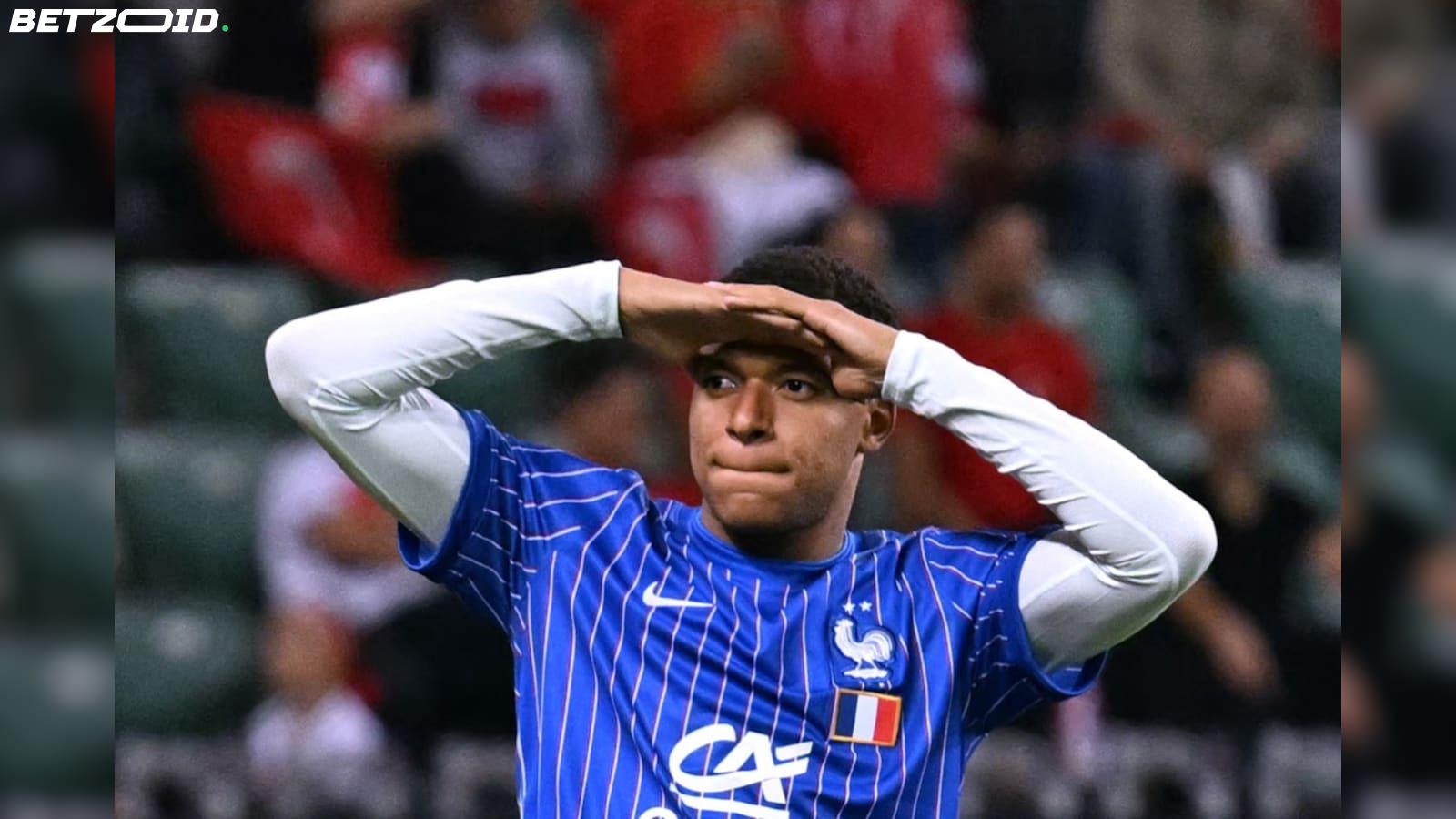
Federations pointed to injured players such as Kylian Mbappe missing too many games, Erling Haaland asking to come off during Norway's fourth match, resources being stretched for coaches in smaller countries, and extra demands placed on the time and money of fans and sponsors.
UEFA said it will gather feedback from its member federations before considering a submission to FIFA regarding the 16-day block, which combined what used to be separate two-game breaks in September and October. After Thursday's meeting, officials said only Azerbaijan among the 55 member federations spoke out clearly in defence of FIFA's management of the calendar.
Despite the criticism, the four-game early-season block is locked in for four more years on the FIFA-managed international match calendar, which has been finalised through 2030. That year, European national teams will play four games between September 23 and October 8. Next year's matches in that slot will serve as qualifiers for the 2028 European Championship.
Fewer but longer international breaks have long been favoured by European clubs seeking to limit disruption to their domestic seasons and reduce long-haul travel for players from outside the continent. Still, the past three weeks have not been popular with at least one Champions League club.
Borussia Dortmund coach Niko Kovač, who led Croatia for two years including at the 2014 World Cup, criticised the disruption this week. "We now have the issue of not only having the occasional player coming back injured, but also the fact that you go two or 2½ weeks without any momentum," he said. "We're all starting from scratch now, in a sense."
Outside Europe, FIFA has said the longer break allowed time for regional tournaments such as the eight-team Arabian Gulf Cup, played from September 23 to October 6 in Saudi Arabia. FIFA pushed to condense international breaks in 2021 as part of its biennial World Cup proposal and later updated its calendar for men's football. The calendar mandates when clubs must release players for international duty, including the World Cup, where FIFA pays hundreds of millions of dollars to clubs worldwide whose players represent their national teams.
The four-game break came two months after the longest-ever World Cup, the first to feature 48 teams, where Norway played into July after reaching the quarterfinals. Norway coach Stale Solbakken addressed the schedule after substituting Haaland in the second half of a loss to Portugal on Sunday. "For those who play in the Champions League and have had little vacation, it's more brutal than for the others," he said.
Haaland now faces an intense week with Manchester City, travelling to Liverpool on Sunday in the Premier League before hosting Paris Saint-Germain in the Champions League on Wednesday. European national teams will next call up players for camps beginning on November 9 to play two matches that will complete the Nations League group phase.