Indian football is getting a proper calendar again. The AIFF has released its tentative schedule for 2026-27, and the headline is straightforward: the Indian Super League runs September 1 to April 11 — a full seven-month season, the kind that got squeezed out this year when administrative chaos forced a stripped-down single-leg format.
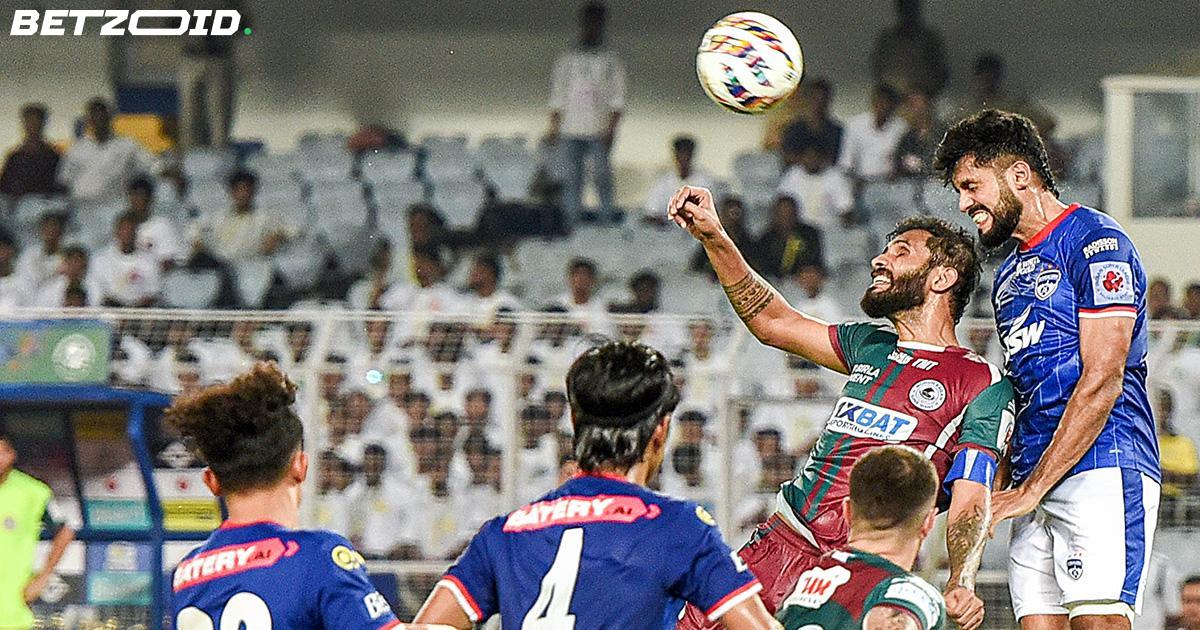
That abbreviated edition still produced a memorable finale. East Bengal FC were crowned ISL champions for the first time in the league's history, edging arch-rivals Mohun Bagan Super Giant on the final day across 91 matches of a round-robin where all 14 teams played each other once. A historic title decided by a single matchday. Next season, there'll be considerably more room for things to go wrong — or right.
What the full calendar looks like
- Durand Cup: July 11 – August 20 (season opener)
- Indian Super League (ISL): September 1 – April 11
- Indian Football League (IFL, second tier): October 9 – March 14
- Indian Women's League (IWL): September 3 – January 24
- I-League 2: February 1 – April 11
- Third Division Men's League: August 15 – November 7
- Indian Women's League 2: July 9 – August 22
- Santosh Trophy: November 19 – January 17
- Federation Cup: April 20 – May 10
The structure makes sense. Durand Cup builds early-season sharpness in July and August, the ISL takes over through winter, and the Federation Cup closes things out in May — giving clubs a competitive window after the league wraps rather than an abrupt ending.
Why the return to a full ISL season matters
A truncated league flattens the competitive picture. Over 13 games, variance rules — a bad run of fixtures or an injury at the wrong moment can derail a title push through no fault of form. Over a proper seven-month campaign, squad depth, consistency, and tactical evolution actually get tested. East Bengal won this year's shortened edition, but whether they can sustain that over a full season against a Mohun Bagan side that will be desperate to reclaim dominance is a very different question. Their title odds look a lot more complicated in a longer format.
The calendar still requires executive committee approval before it's confirmed. But if it holds, Indian football has a structured, layered season from July through May — and that alone is progress worth noting.