

Live roulette casinos in India mostly advertise the same package — a real wheel, a dealer on camera, an HD stream — so the decision comes down to duller details: whether your balance sits in rupees or gets converted, whether the cashier supports UPI in both directions, and what the smallest bet on the table actually is. Get those three right and a ₹3,000 bankroll lasts an evening. Get them wrong and you lose a few percent to currency conversion before the first spin, then discover the ₹500 minimum table swallows the rest in a dozen rounds.
The Betzoid editorial team compares India-facing live lobbies the unglamorous way: licence numbers checked against the regulator's public register, cashier pages read for INR support and published payout windows, and bonus terms read for the live-table contribution clause that usually sits somewhere between 5% and 10%. Availability changes often, so treat every limit below as something to confirm in the cashier before you fund an account. Below is the current ranking, followed by the cost, limit and stream comparisons that explain why one site's "instant" deposit can still end in a two-day withdrawal.
Recommended Live Roulette Casinos (October 2026)






What Makes a Live Roulette Casino Worth Joining?
Five things are visible before you spend a rupee, and they decide almost everything about the session. First, the licence: a real operator publishes a number in the footer that you can search in the issuing authority's register — Curaçao's Gaming Control Board and the Malta Gaming Authority both maintain public lookups. If the page shows a logo but no verifiable number, that alone is enough to move on.
Second, currency handling. A site that lists INR in the cashier but converts your stake into euros at the table is not the same as one with genuine Indian rupee tables, and the difference shows up as a conversion spread on every deposit and withdrawal.
Third, the studio behind the wheel. Tables from established providers come with published limits, multiple camera angles and consistent stream quality; unbranded tables often come with neither a provider name nor a certification page.
Fourth, the limit range: a lobby with ₹50–₹100 minimums is a different product from one where every open table starts at ₹500. Fifth, the payout section — daily and weekly caps, KYC requirements, and which method the money returns through. A broad live dealer lobby with rupee tables is only useful if that last part works.
What INR Tables and UPI Actually Cost You
The cost of a foreign-currency balance is easy to underestimate because it never appears as a line item. If your money sits in euros or dollars, each deposit and each withdrawal crosses a conversion, and the spread on card and bank rails commonly runs a few percent per direction. On a ₹20,000 deposit and a ₹20,000 cashout, a 3% spread each way is roughly ₹1,200 — more than the theoretical house edge on 40 spins of ₹100 at a single-zero wheel. Rupee-denominated tables remove that layer entirely, which is why sites with genuine INR deposits usually work out cheaper than one with a better-looking bonus.
UPI matters for a second reason: speed and friction. The ranges below reflect what India-facing cashiers typically publish, not a guarantee — always read the method's own page after you log in.
| Method | Typical deposit speed | Typical payout window | Cost note | Common INR range |
|---|---|---|---|---|
| UPI | Instant | 12–48 hours | No conversion when the balance is INR | ₹200 – ₹2,00,000 |
| Wallets (Paytm-type) | Instant | 24–72 hours | Wallet KYC tier can cap incoming payouts | ₹500 – ₹1,00,000 |
| IMPS / NEFT | 5–30 minutes | 1–3 business days | Intermediary bank charges possible | ₹500 – ₹5,00,000 |
| Cards | Instant or declined | Often not offered for payouts | FX markup if billed outside INR | ₹500 – ₹2,00,000 |
| Crypto (where offered) | 10–30 minutes | 15–60 minutes | Network fee plus coin price movement | ₹2,000 and up |
What the table cannot show is the mismatch between directions. Plenty of sites accept UPI for deposits but push withdrawals back through IMPS, so a 30-second top-up returns as a next-business-day transfer. The published window also starts after verification, not after you click withdraw — the first cashout is where a 12-hour promise turns into two days because documents are still in review.
Which Deposit Route Fits Your Play Style?
If you play ₹50–₹100 spins and top up ₹500–₹2,000 at a time, UPI is the obvious rail: no fee, no conversion, and small amounts sit inside every operator's limits. If you cash out ₹50,000-plus at a stretch, bank transfer usually carries the higher ceiling even though it settles slower, and one large IMPS payout beats four capped wallet payouts. Crypto only makes sense if you already hold it — otherwise you add an exchange step and price movement to a game that already has a house edge. Whatever you choose, use the same method both ways where the site allows it, since mismatched rails are the main cause of extra verification requests.
How a Live Table Runs Behind the Screen
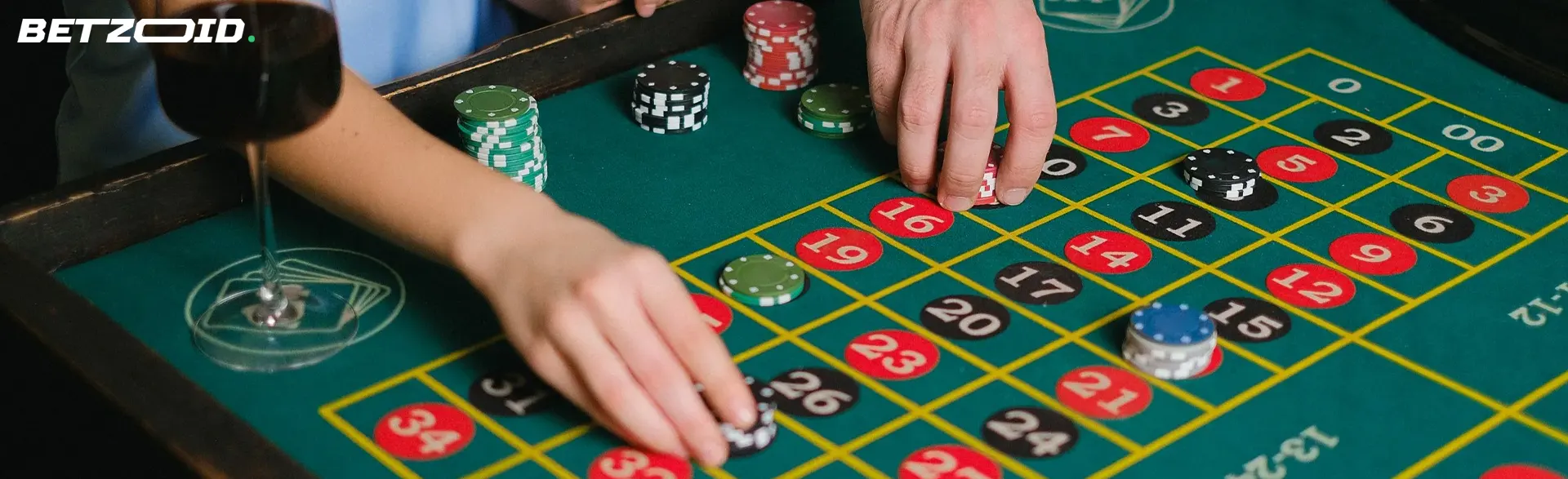
A live table is a physical wheel in a studio, filmed by several cameras, with optical character recognition reading the winning pocket and pushing it to your interface. You are not clicking into a random number generator; you are clicking into a betting window that closes a few seconds before the ball drops, typically with one to two seconds of stream delay on a stable connection. If your phone loses signal mid-spin, the round continues on the server and settled bets credit to your balance when you reconnect — the part most players worry about unnecessarily.
The detail that actually affects your money is pace. A full cycle — betting window, spin, payout, clearing the layout — runs roughly 45 to 60 seconds, so you face something like 40 spins an hour. At ₹100 a spin that is ₹4,000 of turnover per hour, and on a single-zero wheel the 2.7% edge works out to about ₹108 of expected cost per hour. Switch to a double-zero American table and the same turnover costs about ₹210. Same stream, same dealer, nearly double the burn.
So before you look at bonuses, look at the wheel type in the lobby and at your own spin rate. Slowing down from 40 to 25 spins an hour cuts your hourly cost by more than any promotional offer will return.
Evolution, Ezugi and Other Studio Differences
- Evolution: the widest table range, including Lightning and Immersive formats with multiplier rounds; lobbies carrying Evolution tables usually offer the deepest limit spread, from low-stake rooms to VIP.
- Ezugi: known for India-facing rooms and Hindi-speaking dealer tables, often with lower entry stakes, which suits players who want conversation rather than multiplier gimmicks.
- Pragmatic Play Live: fewer roulette variants but fast-loading streams and Mega Roulette-style multiplier tables; a reasonable fallback when the main studio lobby is congested.
- Unbranded or white-label rooms: a handful of tables, thin limit information and no provider page — workable, but there is no reason to choose them over a named studio.
Provider line-ups shift between operators and get regionally restricted without notice, so check the live lobby rather than the marketing page. If you enjoy the dealer-led format but want a slower rhythm than 40 spins an hour, the same studios run the tables covered in our comparison of live baccarat rooms.
Why Table Limits Decide How Long You Play
Table limits, not bonuses, determine how long your bankroll survives. Take ₹3,000 for the evening. On a ₹50 minimum table you have 60 spins before variance even has room to matter; on a ₹500 minimum VIP table you have six. Same money, same wheel, completely different session.
Two limit details get missed. First, the table minimum applies per bet, not per spin, so covering six numbers at ₹10 each only clears a ₹50 minimum if the room allows ₹10 chips on inside bets — many rooms set a separate, higher minimum for straight-up numbers than for red/black. Second, maximums are split the same way: an outside bet might be capped at ₹1,00,000 while a single number caps at ₹5,000, because the payout on 35:1 is what the studio is really limiting.
That split matters if you like flat-betting red or black, since the outside cap is rarely the constraint, but it ruins any plan built on scaling straight-up bets. Check both numbers in the table info panel before you sit down. Players who prefer ₹10 stakes and a self-paced wheel will often do better in the software tables listed among our roulette casino picks for Indian players, where minimums drop below anything a live studio can staff.
Low Minimum Bets vs VIP Room Stakes
Sites with low minimum bets typically open standard rooms at ₹50–₹100 per spin, which is the right home for a bankroll under ₹10,000. VIP rooms usually start around ₹5,000 a spin and stretch into lakhs on outside bets; the stream is nicer and the dealer greets you by name, but the maths is identical to the ₹50 table. The one genuine advantage of a high-limit room is headroom if you already bet large flat stakes. The trap is using it to chase a losing run — a ₹5,000 minimum turns a four-spin recovery attempt into ₹20,000 of exposure in five minutes.
Where Do Bonuses and Withdrawals Go Wrong?
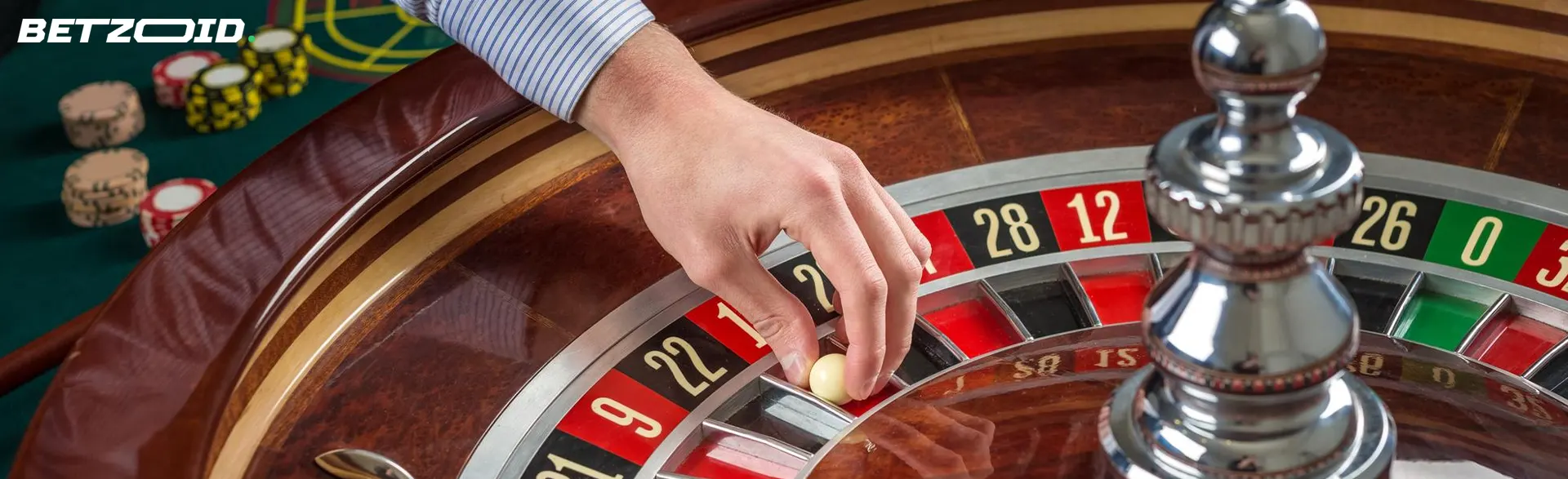
Almost always in the same clause: live table games contribute a fraction of your turnover toward wagering. A ₹5,000 bonus at 35x needs ₹1,75,000 of qualifying wagers; at 10% roulette contribution that works out to ₹17,50,000 of actual spins, which at ₹500 a round is 3,500 spins. Nobody clears that inside a two-week bonus window. These are the terms that decide whether an offer is playable at all:
- Game contribution: slots usually count 100%, live roulette commonly 5–10%, and some terms count it as 0% — in which case your spins do nothing for the requirement.
- Maximum bet during wagering: often ₹500–₹1,000 per round; exceeding it while a bonus is active can void the balance rather than simply reject the bet.
- Excluded bet types: several operators disqualify low-risk coverage such as betting both red and black, or simultaneous even-money bets, which is exactly how most roulette players stake.
- Expiry: 7 to 30 days is standard, and the clock runs from credit, not from your first session.
- Withdrawal caps: daily or weekly limits can split a ₹1,00,000 win into several payouts, stretching a "24-hour" payout into a week.
The practical move is to treat a big match offer as entertainment credit and keep your real roulette bankroll unbonused, so withdrawals stay clean. If you do want an offer attached to table play, look for live-casino-specific promotions or the kind of low-wagering bonus terms where the requirement is small enough that a 10% contribution rate is survivable. Verify KYC right after your first deposit, too — that single step is what separates fast payouts from a support ticket.
Checking a Site Before You Deposit
Fifteen minutes of checking prevents the two problems that actually cost money: a stuck withdrawal and a table you cannot afford. Work through this order.
- Find the licence number in the footer and search it in the issuing regulator's public register. A legitimate operator shows a match on name and status, not just a logo.
- Open the cashier before registering if the site allows it, and confirm INR is the account currency — not a display currency converted at the table.
- Check the withdrawal page for the same methods you deposit with, plus the daily and weekly caps and any minimum cashout amount.
- Read the bonus terms for the live-table contribution rate and the maximum bet during wagering, then decide whether to claim anything at all.
- Enter the live lobby and note the minimum and maximum for inside and outside bets on two or three tables you would realistically use.
- Upload verification documents immediately, before you have a balance worth withdrawing, so the first payout is not the first review.
- Ask live chat one specific question — the payout route for UPI deposits, for example — and judge both the wait and whether the answer matches the terms page.
Step seven is the cheapest honesty check you have: a support agent who contradicts the published withdrawal window tells you more than any review score. If a site fails steps one or three, no bonus or studio line-up compensates.
Mobile Streaming Checks on Android
Mobile live roulette on Android works fine on 4G, usually by dropping the stream to 720p or lower while keeping the betting interface responsive. Test it on the cheapest table in the lobby first: open a room, watch two or three full rounds, and see whether the wheel result appears before your bet history updates. Also check that the layout rotates and that chip selection is not cut off on your screen size, and keep an eye on battery — a 45-minute live session drains far more than app-based slots, and a dead phone mid-round means the server settles without you.
The sites worth your money are the ones where three things line up: a licence you verified yourself, a rupee-denominated balance funded by UPI so nothing leaks to conversion, and a table minimum your bankroll can absorb for a whole session. Bonus size is the least important of those, because a 5–10% live contribution rate makes most welcome offers unplayable for roulette anyway.
Use the ranking above as your shortlist, then run the pre-deposit checks — register, verify, look at the inside and outside limits — before the first spin. Set a deposit cap and a session bankroll in your account tools while you are still thinking clearly; both are far easier to switch on before you sit down than after a losing run.